REVIEW · LUXOR
5-Day Nile Cruise From Luxor to Aswan with Hot Air Balloon
Book on Viator →Operated by Egypt 24 Tours · Bookable on Viator
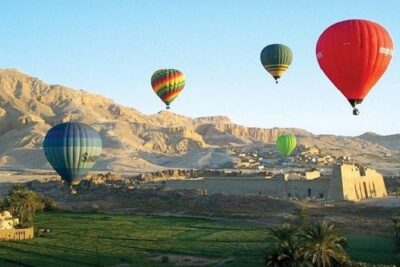
A sunrise balloon over Luxor is hard to forget. This 5-day cruise strings together some of Egypt’s biggest ancient hits, from Karnak to the Valley of the Kings, then down to Edfu, Kom Ombo, and Aswan. I like that it mixes high-profile monuments with day-to-day comfort: you’re guided, transported, and fed.
Two things I really like: you get English-speaking guidance during your excursions, and you’re not stuck doing logistics every day. The pace also makes practical sense—temples in the morning, cruising and downtime between, and strong evening scenery on the deck.
One thing to consider: the fine print is a bit messy about admissions. The package says entrance fees are included, but several day-by-day stops are marked as Admission Ticket Not Included, so confirm what’s covered for your exact dates.
Key highlights worth planning around
- Sunrise hot air balloon in the Luxor area adds a wow start before the temple heavy lifting
- Private, guided sightseeing along both banks of the Nile with an English-speaking tour guide
- Full-board river cruising (breakfast, lunch, dinner for the 4 days onboard)
- Abu Simbel gets you out to Lake Nasser for one long, memorable day
- Aswan variety: High Dam, Philae Temple, Nubian village time, and the botanical garden
- Nile-deck downtime: sunset views and relaxing moments are part of the reward
In This Review
- Luxor-to-Aswan: The 5 days that connect the dots
- Price and Logistics: What $799.33 buys you
- Your Luxor Day: Hot air balloon vibes plus East Bank classics
- Karnak and Luxor Temple: Where the biggest ideas live
- Papyrus Institute in Luxor: More than a museum stop
- West Bank Luxor: Valley of the Kings, Hatshepsut, and Colossi
- Valley of the Kings: Tombs cut into the rock
- Temple of Hatshepsut at Deir el Bahari: A masterpiece with sharp lines
- Colossi of Memnon: Big statues, big presence
- Edfu and Kom Ombo: Temple time that actually changes your view
- Temple of Horus in Edfu: The Nile’s ritual center
- Kom Ombo: A rare double temple
- Abu Simbel plus High Dam and Philae: One intense day with real payoff
- Abu Simbel Temple Complex: Monumental and remote
- Aswan High Dam: Modern Egypt’s engineering story
- Philae Temple: Island time after the dam
- Aswan’s quieter side: Nubian village color and Kitchener’s Island garden
- Nubian Village: Traditions shaped by the south
- Aswan Botanical Garden: Palm trees and a garden with a backstory
- Food, comfort, and the calm moments on board
- Your guide matters: English explanations that make carvings readable
- Practical tips to make the whole trip smoother
- Should you book this Luxor to Aswan Nile cruise?
- FAQ
- What is the duration of this Luxor to Aswan Nile cruise?
- How much does the tour cost?
- Where does the tour start?
- Does the tour include pickup?
- Are meals included?
- Is an English-speaking guide included?
- Are entrance fees included?
- What’s the cancellation policy?
- Is the hot air balloon ride included?
Luxor-to-Aswan: The 5 days that connect the dots
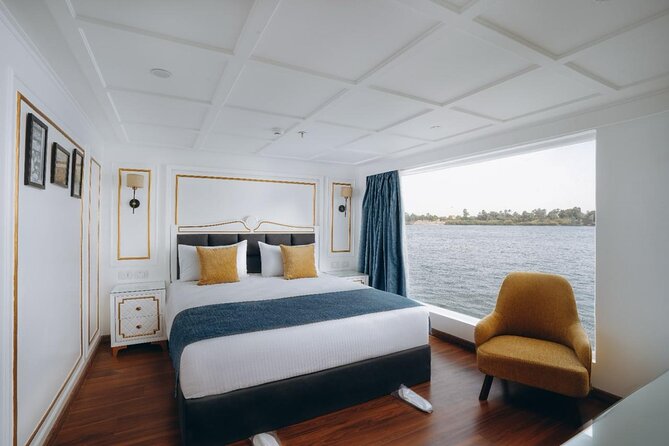
This cruise is built around one core idea: the Nile is the timeline. You travel south through scenes you’ve probably only seen in books—then you see how they connect, day after day, in real sunlight.
The trip starts in Luxor and finishes in Aswan, with guided visits that hit both banks. You’ll spend long stretches learning what each site meant, but you also get time to recover. That balance is a big part of the value.
Price and Logistics: What $799.33 buys you
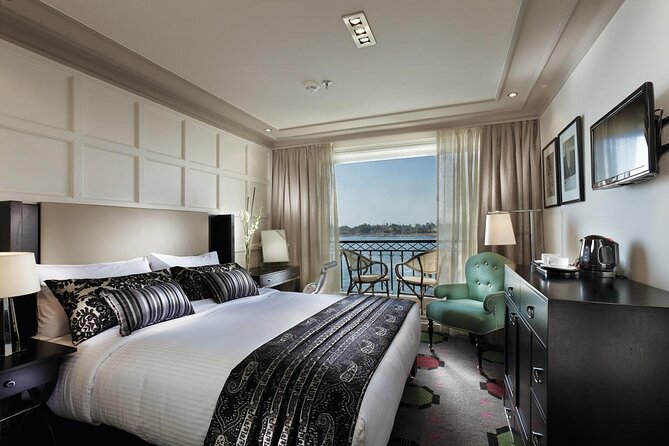
At $799.33 per person, you’re paying for more than a room and a boat ride. You’re also paying for organized transfers, entrance fees (as stated in the package), and English-speaking guiding on excursions between Luxor and Aswan, plus 4 nights onboard on a full-board basis (breakfast, lunch, dinner).
Here’s the catch: the day-by-day stop notes list many “Admission Ticket Not Included.” The package description also says entrance fees are included. Before you travel, message the operator and ask one simple question: what exact tickets are covered for your dates, and what (if anything) you pay on-site. That one step can save money and stress.
Also note the tour is listed as private for your group. That’s different from a free-for-all. It usually means less waiting and more consistent pacing with your guide and driver, which matters when you’re bouncing between temples.
You can also read our reviews of more tours and experiences in Luxor.



Your Luxor Day: Hot air balloon vibes plus East Bank classics
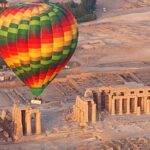
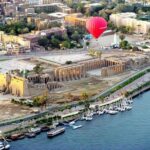
If you’re chasing a single early-morning memory, the hot air balloon ride is it. The experience is described as thrilling, with views over Luxor’s landmarks at sunrise. Even if you’re not a balloon person, this is the kind of Egypt moment that makes the rest of the trip feel like it’s on the right track.
You also start with a pickup in Luxor and then move into temple sightseeing. The plan runs after lunch, which is helpful if you want a slower start on travel days. You’ll visit Luxor’s East Bank sites, plus a stop tied to ancient Egyptian materials and craft.
Karnak and Luxor Temple: Where the biggest ideas live
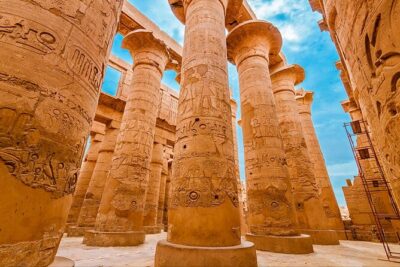
Karnak Temple Complex is the kind of place that feels less like a single monument and more like an entire world. You’ll see a vast mix of decayed temples, chapels, pylons, and buildings clustered near Luxor. In practice, that means you’ll spend real time inside an archaeological maze where details reward patience.
Luxor Temple complements that. If Karnak is the grand scale option, Luxor Temple often feels more approachable, with a strong sense of “here’s what life and ritual looked like.” Together, they’re a strong introduction before you switch to the West Bank.
A small practical tip: wear shoes you can trust. You’ll be walking and standing in sun, and you’ll want comfort for the long days ahead.
Papyrus Institute in Luxor: More than a museum stop
One stop that adds texture is the Nefertari Papyrus Institute. You learn why papyrus mattered in ancient Egypt and see how the raw material comes from the Cyperus papyrus stalk. This is a good contrast to stone temples: you’re connecting the civilization to everyday materials and writing.
It also helps break up the day after temple time. Even a short stop like this can make the next ruins feel more grounded.
West Bank Luxor: Valley of the Kings, Hatshepsut, and Colossi
Day two shifts the mood. You’re heading to the West Bank area where burial history and memorial architecture dominate. The contrast between “living city” East Bank and “resting place” West Bank is one of the most useful ways to understand Luxor as more than a photo stop.




Valley of the Kings: Tombs cut into the rock
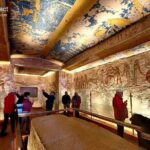
The Valley of the Kings was used for nearly 500 years during the New Kingdom for pharaohs and powerful nobles. What you’ll notice right away is the setting: tomb entrances aren’t scattered in a random way. They form part of a plan for power, lineage, and belief.
This stop can be heavy emotionally, too. You’re walking into the idea that Egypt’s rulers wanted their story preserved, not just remembered.
Temple of Hatshepsut at Deir el Bahari: A masterpiece with sharp lines
Hatshepsut’s mortuary temple feels like a lesson in ambition. Built during her reign, it’s often described as a masterpiece of architecture, and it sits in a striking location opposite Luxor. Even without technical history, you can read the temple’s layout and scale.
What makes this stop valuable is that it gives you a person to connect with. Instead of only “Pharaohs in general,” you’re looking at one ruler’s legacy in stone.
Colossi of Memnon: Big statues, big presence
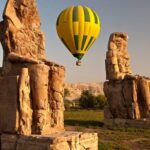
The Colossi of Memnon are two massive statues of Pharaoh Amenhotep III. They stand at the front of the ruined mortuary temple area, and the statues alone can make you pause. It’s a shorter stop, but it’s strong.
If you’re tired from earlier walking, this is a good one to enjoy slowly. You get the power without the marathon feel.
Edfu and Kom Ombo: Temple time that actually changes your view
Day three is all about the southern temples that make the cruise feel like a journey instead of a checklist.
Temple of Horus in Edfu: The Nile’s ritual center
The Temple of Edfu is dedicated to Horus, and the site’s Hellenistic-era name ties it to Apollo in Greek references. In plain terms: you’re seeing a place where older Egyptian religious identity survived and shifted through later periods.
Expect carvings and walls that reward time spent looking. A good guide helps here because it turns “patterns on stone” into symbols and stories.
Kom Ombo: A rare double temple
The Temple of Kom Ombo is unusual—a double temple with distinct sections. It was constructed during the Ptolemaic dynasty, with additions later in the Roman period. This means you’ll feel the layered history while standing in one footprint.
I like double-temple sites because you don’t just learn facts; you compare what each side highlights. It’s a natural way to keep your brain engaged during a long day.
Abu Simbel plus High Dam and Philae: One intense day with real payoff
Day four is a long one, and it’s the kind of day that makes or breaks your energy level. The upside is that you get three major chapters of Egypt in one stretch: royal monuments at Abu Simbel, modern engineering at the High Dam, and island temples at Philae.
Abu Simbel Temple Complex: Monumental and remote
Abu Simbel is far south near Lake Nasser, about 230 km from Aswan. Two massive rock-cut temples sit in the landscape, and the drive out there is part of the experience.
This stop is worth planning for physically. Abu Simbel is not quick, and the day runs long. If you’re traveling in hotter months, hydration and shade habits matter.
Aswan High Dam: Modern Egypt’s engineering story
The Aswan High Dam is a worldwide-known embankment dam built between 1960 and 1970. When it finished, it was the tallest earthen dam in the world. You’re seeing how Egypt reshaped the Nile’s behavior—and what that meant for life and power.
This is a good mental reset after temple intensity. It reminds you Egypt didn’t stop in antiquity. It kept building.
Philae Temple: Island time after the dam
Temple of Philae sits on an island in the reservoir downstream of the Aswan High Dam and Lake Nasser. This island setting changes the feel of the temple. You’re not just walking through history—you’re moving through it spatially, with the water doing part of the storytelling.
Aswan’s quieter side: Nubian village color and Kitchener’s Island garden
Day five slows down in the best way. After intense sights, you get time for people, gardens, and the everyday rhythms of Aswan.
Nubian Village: Traditions shaped by the south
You’ll visit Nubian villages deep in southern Egypt around Aswan. The idea here is cultural perspective: different language traditions, bright painted homes, and a community whose history ties back to Africa and Sudan when people moved for farming along the Nile.
Even if you keep expectations realistic, this is a refreshing change from pure monument time. It helps you see the Nile as a living corridor, not just a museum hallway.
Aswan Botanical Garden: Palm trees and a garden with a backstory
Next is the Aswan Botanical Garden, previously known as Jet Narty. It later became associated with Lord Horatio Kitchener, who transformed Kitchener’s Island into a botanic garden after acquiring it in 1899.
This stop is useful for your pace. It gives you a place to sit, cool off, and reset before your departure day.
Food, comfort, and the calm moments on board
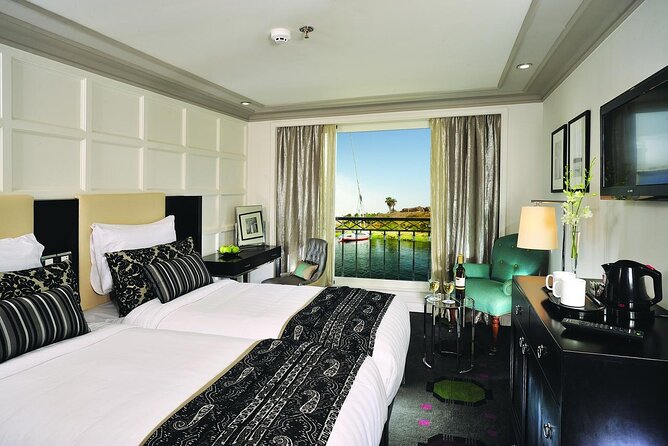
The cruise includes breakfast (4), lunch (4), and dinner (4) as full board while you’re onboard. That matters because it reduces decision fatigue. You won’t spend every evening scanning menus or hunting for a reliable sit-down option after a long temple day.
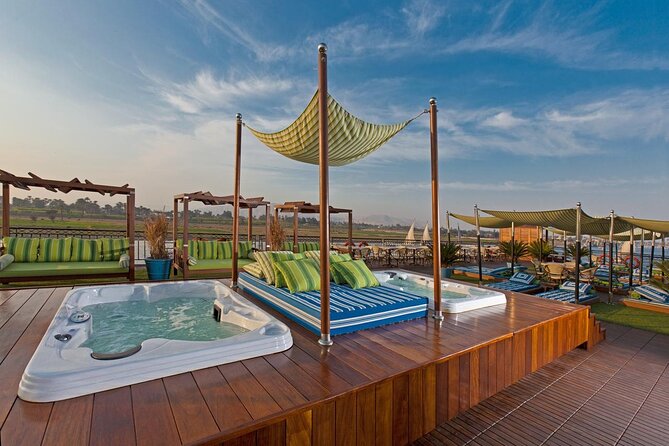
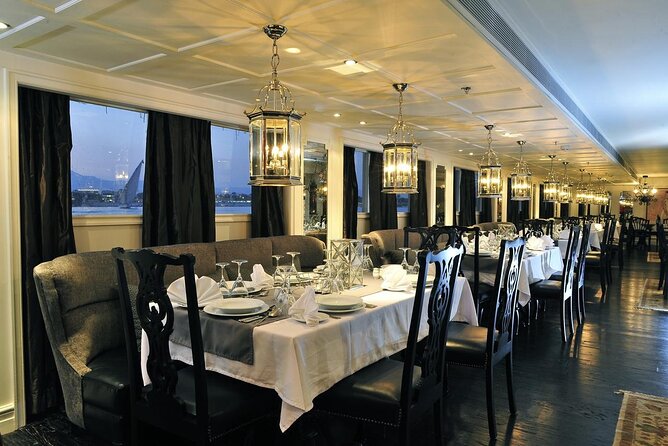
What I like about the river-cruise format is the breathing room. Reviews highlight magical sunset views from the deck, often with simple comforts like tea in hand. Even if you’re not trying to sit still for long, you’ll want a moment for the sky to do its thing.
And if your cruise includes onboard cultural extras, they can add warmth to the nights. Local music and dance performances and interaction with local vendors at stops were specifically called out as part of the cultural feel.
Your guide matters: English explanations that make carvings readable
A strong English-speaking tour guide can turn “I saw that temple” into “I understand what I saw.” This program uses an English-speaking guide during excursions on the cruise, and one name that’s come up is Mohammed Al Dahesh, praised for making the cultural side feel personal.
When you get explanations that connect symbols to history and daily life, you walk away with more than photos. You remember how the pieces fit.
Practical tips to make the whole trip smoother
You’re moving through classic Egypt sites, so these tips aren’t fancy, just useful:
- Bring a light layer and plan for sun. Temple days can be long and bright.
- If you care about photos, schedule breaks. Don’t treat every stop like a sprint to the next one.
- Since tipping isn’t included, set aside cash for guide and driver tips. The tour notes that tipping is not part of the package.
- Check admissions coverage before you go, because the package description and stop notes don’t fully match.
Also, the schedule lists a start time of 12:00 pm. That’s for the experience timing, but if your hot air balloon is sunrise-based, you’ll want to confirm the exact early-morning pickup plan with the operator so you’re not surprised.
Should you book this Luxor to Aswan Nile cruise?
I think this is a smart choice if you want major Egypt sights without doing the hard work of coordinating transport, tickets, and daily timing yourself. The price includes a lot of the stuff that usually adds up—guided tours, transfers, and full-board meals—so your money tends to go toward the experience instead of logistics.
Book it if you like guided context, can handle a few long days (especially the Abu Simbel stretch), and you want that sunrise start with the balloon. This itinerary also suits people who want a balanced mix: big monuments plus Nubian cultural time and a garden day in Aswan.
Don’t book it blindly if you hate uncertainty about admissions. Because the data is inconsistent about ticket inclusion, spend 2 minutes confirming what you’ll pay on-site. If everything checks out, you’ll likely feel you got solid value for a classic southbound Nile journey.
FAQ
What is the duration of this Luxor to Aswan Nile cruise?
It runs for about 5 days, including 4 nights accommodation on board the cruise.
How much does the tour cost?
The price listed is $799.33 per person.
Where does the tour start?
The experience starts in Luxor, Egypt.
Does the tour include pickup?
Yes. Pickup is offered from any location in Luxor.
Are meals included?
Yes. The package includes breakfast (4), lunch (4), and dinner (4) on a full-board basis.
Is an English-speaking guide included?
Yes. There is an English-speaking tour guide during your excursions on the cruise.
Are entrance fees included?
The package description says entrance fees to sights in and between Luxor and Aswan are included. However, some day-by-day stop notes mention Admission Ticket Not Included, so it’s smart to confirm for your exact dates.
What’s the cancellation policy?
Free cancellation is available. You can cancel up to 24 hours in advance for a full refund.
Is the hot air balloon ride included?
Yes. The tour is specifically described as including a hot air balloon experience, and the reviews mention a sunrise balloon flight.