REVIEW · LUXOR
From Luxor:8-Night Luxury Nile River Cruise & Hot Air Balloon
Book on Viator →Operated by Nice tours · Bookable on Viator
Egypt from the river is a whole different story. This Luxor-to-Aswan Nile cruise packs the major sites into a guided 9-day loop, with an included hot air balloon over Luxor at sunrise and daily Egyptology led by real specialists. I especially liked how the West Bank day doesn’t just show monuments; it gives you the names and context—think Ramesses III, Ramesses VI, and even the tomb associated with Tut-Ankh-Amon.
Two things I really like: the Valley of the Kings and Deir el Bahari route on Day 1, and the way the balloon day (Day 2) balances spectacle with a proper sailing day right after. One thing to keep in mind: the schedule is full, and you’ll have long travel blocks—especially the Abu Simbel day, which is an 8-hour outing before you’re back on the ship.
If the guide is strong, this trip can feel personal. I’ve seen names like Asma Saber on the West Bank, George as an Egyptologist guide, Gabriel keeping things running smoothly on the last day, and Adam explaining the big Luxor sites clearly. Even the coordinators get called out—Zainab is mentioned for organizing days tightly—so you’re not just getting taken from one ticket line to another.
In This Review
- Key highlights before you book
- Why Luxor-to-Aswan by Nile cruise works so well
- Day 1 on the West Bank: Valley of the Kings, Hatshepsut, Colossi of Memnon
- Day 2 sunrise balloon over Luxor: then sailing toward Esna
- Day 3 Edfu and Kom Ombo: Horus by carriage, two-god temple design
- Day 4 Aswan: Philae Island’s Isis Temple and the High Dam reality check
- Day 5 Abu Simbel plus a Nubian Village visit: long day, big payoff
- Day 6 leisure on board: the unsung value day
- Day 7 outside Luxor: Abydos and Dendera with a trained guide
- Day 8 East Bank Luxor power day: Karnak and Luxor Temple plus sunset felucca
- Day 9 check-out: leaving Luxor without the final scramble
- Price and value: what you’re really paying for at $1,357
- How guides and coordination shape your day (and why it shows up in reviews)
- Who should book this Nile cruise (and who should think twice)
- Should you book this Luxor Nile cruise with a hot air balloon?
- FAQ
- How long is this Nile cruise experience?
- What is included in the price?
- What are the main places you visit?
- Does the tour include pickup and drop-off?
- When does the experience start?
- Can I cancel for a full refund?
Key highlights before you book
- Sunrise hot air balloon over Luxor: a rare bucket-list view that lands you back on the boat with time to move on.
- West Bank temple trio in one guided day: Valley of the Kings, Hatshepsut at Deir el Bahari, and the Colossi of Memnon.
- Edfu by horse and carriage: a simple, fun transfer that sets the tone for visiting the Horus temple.
- Abu Simbel plus Nubian Village: one long day that turns the UNESCO-scale sights into a real human stop.
- Philae and the High Dam in Aswan: ancient religion on one island, modern Nile power just up the road.
- Sunset felucca with free tea: an easy, relaxing end to a temple-heavy East Bank day.
Why Luxor-to-Aswan by Nile cruise works so well
This style of Egypt trip is built around one big advantage: you don’t have to keep re-checking into hotels. Your base moves with the river. That matters, because Luxor and Aswan aren’t tiny day-trips. They’re long drives, early mornings, and big-ticket sites.
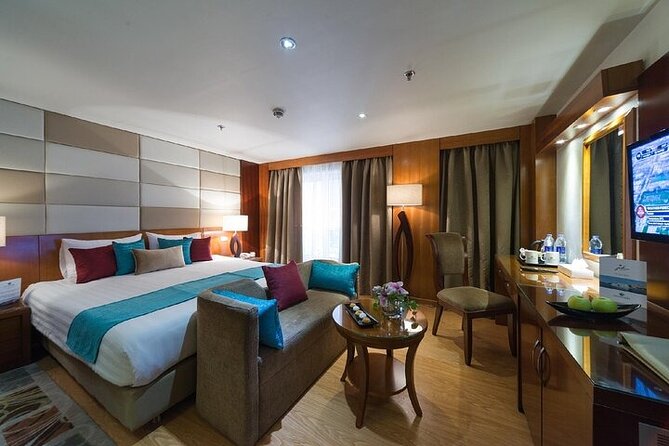
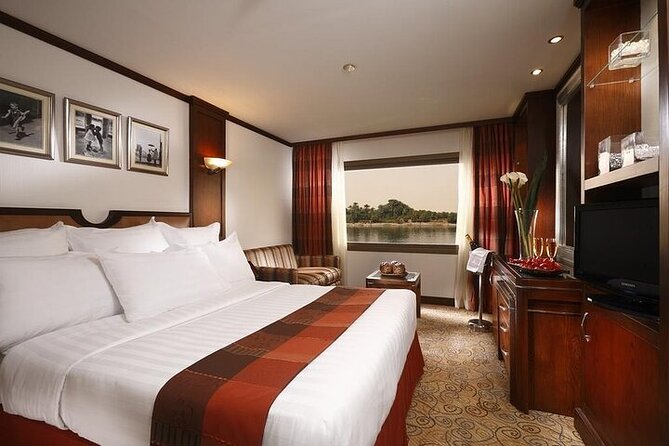
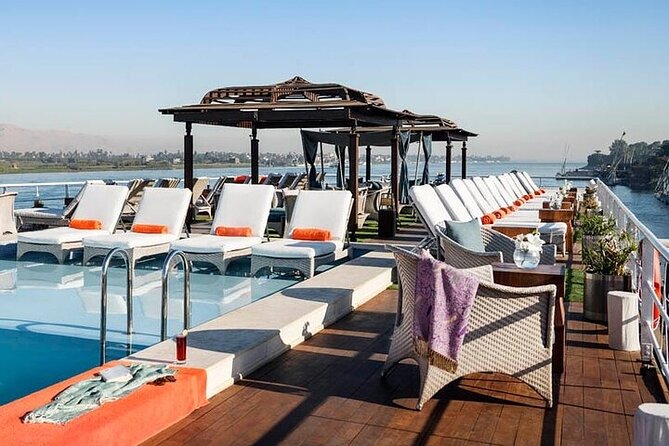
Here, you get a 5-star standard Nile cruise ship for 8 nights, with meals included (breakfast 8 times, lunch 8 times, dinner 8 times). Add the fact that you’re covered for entrance fees and a professional Egyptologist guide, and the day-to-day friction drops. In other words, you spend your energy on temples and views, not on logistics.
It’s also a private setup for your group only. That doesn’t remove the crowds around the monuments, but it usually makes timing feel tighter and less like you’re herded with strangers.
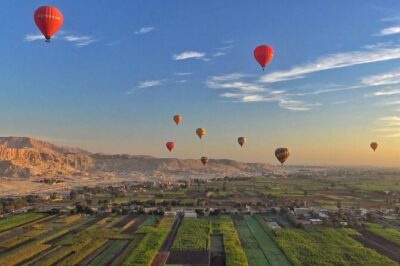
And yes—one of the best moments is built in. The sunrise balloon isn’t a random add-on; it’s scheduled early, so the view actually has that golden-hour magic.
You can also read our reviews of more tours and experiences in Luxor.



Day 1 on the West Bank: Valley of the Kings, Hatshepsut, Colossi of Memnon
Day 1 is the Luxor West Bank highlight day, and it’s the kind of lineup that makes you understand why people plan Egypt around Luxor.
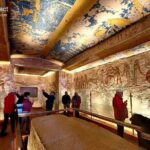
You start with the Valley of the Kings. This isn’t just a scenic walk. It’s a guided monument day with tomb visits tied to major pharaoh names—Ramesses III, Ramesses VI, and Mrenptah. The program also includes entry to the tomb of Tut-Ankh-Amon. That’s a big deal because it helps you connect the Valley to the larger story of royal burial practices, not just to a list of doors in the rock.
Next comes Deir el Bahari and the Temple of Hatshepsut, dedicated to Egypt’s famous female ruler. If you only know Hatshepsut from photos or trivia, this is where it clicks. The guide work matters here because you’re seeing a royal statement in stone: wealth, authority, and a period of stability.
Then you get the Colossi of Memnon—two massive statues tied to Amenhotep III. The stop is shorter, but the scale lands fast. Even if you’ve seen them in postcards, standing there takes the photo out of the equation.
Finally, there’s a return to Luxor for some city time, including an hour for the old market. That’s a useful pressure-release after temple concentration. It’s not a huge shopping spree built into the schedule; it’s time to get your bearings in town and feel the city beyond the monuments.
Practical note: this is a walking-heavy day, plus sun and heat can be a factor. Wear good shoes and plan to hydrate.
Day 2 sunrise balloon over Luxor: then sailing toward Esna
This is the day you’ll remember even if your brain starts blending temple names together.
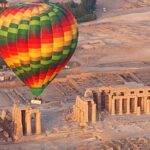
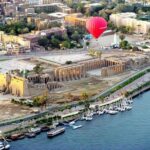
You’ll rise early for a hot air balloon ride over Luxor, timed to watch sunrise color the city and the surrounding area. The program frames it as a view over ancient villages and islands, which is exactly why this balloon works better here than it does in many other places—you’re looking at the river’s story from above, not just “some clouds over a town.”
After the balloon, you head back to the boat. The rest of the day turns into a cruising segment to Esna in the evening. That rhythm is smart: you get the big visual hit, then you transition into a slower mode before more temples later.
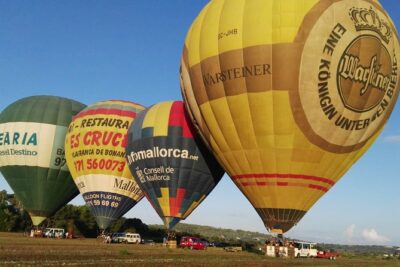
If you’re deciding between balloon companies in Egypt, the key takeaway from this trip is that the balloon is included and paired with real travel time afterward. You’re not stuck rushing back to catch buses all day.
Also, keep your expectations realistic: sunrise balloons depend on conditions. The schedule here is written as a balloon day early on Day 2, but Egypt is still weather country. If you’re a stress-prone planner, it helps to accept that nature runs the agenda sometimes.
Day 3 Edfu and Kom Ombo: Horus by carriage, two-god temple design
Day 3 moves you to Edfu and then Kom Ombo, and the structure is classic Nile cruising: one major temple in the morning, another in the afternoon.
In Edfu, you take a traditional horse and carriage ride to the Temple of Horus. This is included, and it’s also one of those small “set the scene” moments. You’re not just arriving at a gate; you’re traveling through the feel of local streets the slow way.
The Temple of Horus is described as the largest Ptolemaic temple in Egypt. That matters because Ptolemaic temples can feel different from older pharaonic styles. A guide’s job here is to help you see how the symbolism shifts and repeats—same themes, different era.
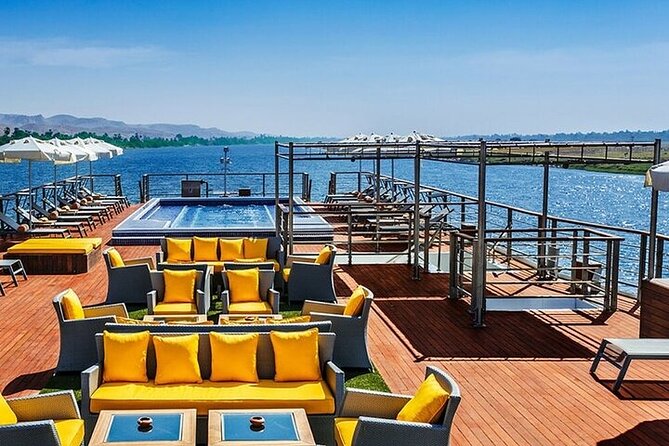
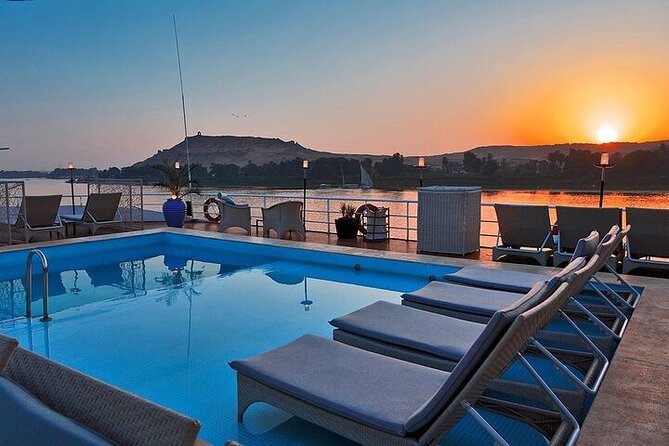
In the afternoon, you cruise to Kom Ombo. You’ll have time to relax on the boat’s sun deck with a drink while cruising, then you visit the Temple of Kom Ombo, which is dedicated to two gods. The program points out the contrasting architecture on both sides, which is the defining feature: you’re not looking at a single one-sided temple. It’s designed as a paired space.
One tip that helps with places like Kom Ombo: don’t try to memorize everything. Focus on the idea of duality here—two gods, two halves, one shared structure.
Day 4 Aswan: Philae Island’s Isis Temple and the High Dam reality check
Aswan days can go two ways: either you stay in ancient wonder mode all day, or you get a quick reality check that the Nile is still a working system.
This program gives you both.
After breakfast, you cruise to Aswan and visit the Temple of Isis at Philae Island. It’s a 2-hour stop with entrance included. Philae is often where visitors feel the “living mythology” side of Egypt, because you’re seeing how religion and place connect over time.
Then you tour the Aswan High Dam. This isn’t an “old stones only” stop. It’s about how the Nile became energy and infrastructure for modern residents. The tour frames the High Dam as providing electricity to residents of the Nile, which is the practical point: the river isn’t just a postcard; it’s a system that shaped modern life.
You also get free time to explore Aswan and its ancient market. That’s a good break from temple gates, and it’s usually where you can pick up simple snacks, water, or a few items you actually need.



Day 5 Abu Simbel plus a Nubian Village visit: long day, big payoff
If you only do one “I can’t believe this is real” day in the entire trip, it’s usually Abu Simbel.
You arrive in the morning and spend the bulk of the day at the Abu Simbel Temple Complex. The program calls it one of the most important wonders in the world and gives you an 8-hour day for exploring. That time matters because Abu Simbel isn’t just one hall. It’s a full experience: monumental scale, intentional placement, and a guided story that helps you understand why this complex is built the way it is.
Afterward, you’re back on the cruise ship for lunch, then ready for a visit to the Nubian Village. The program describes it as an “Amazing Nubian village” visit lasting about 2 hours, and it’s included after lunch.
This pairing is smart. Abu Simbel is ancient power in stone. The Nubian Village stop gives you the people connection—the Nile region as a living culture, not just a museum floor.
Two considerations: first, this is a long day. Plan for fatigue. Second, heat and sun can hit harder on extended outdoor visits. Don’t plan any big evening extras; let the ship be your reset button.
Day 6 leisure on board: the unsung value day
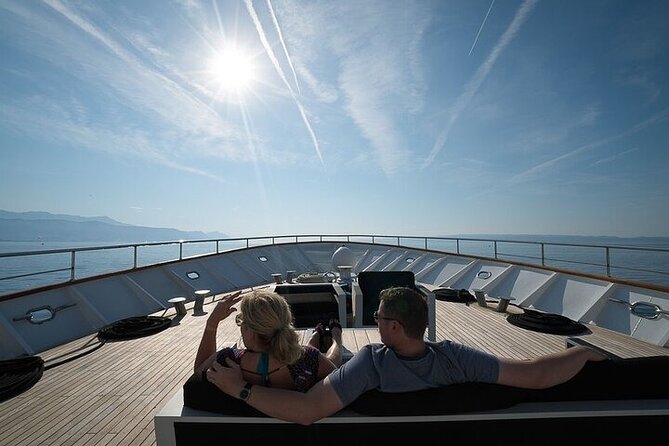
Day 6 is intentionally low-pressure: a day at your leisure on board the boat.
This is where the cruise starts to feel worth it. Temples pull your attention outward, but a day on the Nile brings you back inward. You can rest, enjoy the ship’s facilities, watch river life, and mentally sort through what you’ve already seen.
Even if you want to keep busy, a leisure day prevents the trip from turning into a constant sprint. And with a packed itinerary before and after, this break isn’t optional. It’s part of how this package stays comfortable.
Day 7 outside Luxor: Abydos and Dendera with a trained guide
On Day 7, you’re picked up at 7 a.m. from your Luxor hotel and driven north of Luxor past local everyday life. This is not a “jump on a boat and cruise” day—it’s a road temple day.
First stop is the Temple of Seti I at Abydos. You’re guided through the site and the program highlights a key feature: the limestone architecture laid out over three stages. Abydos is the kind of temple that benefits from context, because without it, you might miss the meaning behind the layout and what the guide is pointing out.
Then you drive to the Dendera Temple Complex, dedicated to Hathor. The program notes it dates back to the late Ptolemaic Period and mentions relics of religious structures associated with Old Kingdom reigns, including Pepi the First. It also calls out that the temple is located on holy Egyptian ground and suggests great photo opportunities.
After the Dendera visit, you’re transferred to your hotel. This day adds variety: you’ll see temples away from the main Luxor core, which can help keep your attention from dulling.
Day 8 East Bank Luxor power day: Karnak and Luxor Temple plus sunset felucca
Day 8 is your big East Bank double feature.
You start with Karnak Temple, described as the biggest temple complex in the world. That line is doing a lot of work here, because Karnak can be overwhelming if you try to “see it all.” With a guided visit, it’s easier to focus on the parts that shape the overall idea of Karnak’s scale and symbolism.
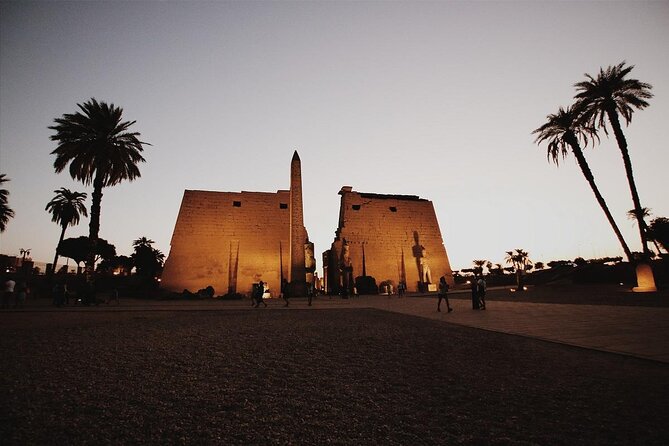
Next is Luxor Temple, built by Amenhotep III in the 18th Dynasty and completed by Ramses (the program names Ramses as the completer). Luxor Temple tends to feel more intimate than Karnak, even when it’s still large. With the guide’s help, you’re better able to connect the two sites as one story from different angles.
Then you shift to something less structured: a felucca ride at sunset and traditional Egyptian tea (free). The program frames it as sailing slowly while watching the sunset over the Luxor West Bank, with transfer to your hotel at the end.
This is one of the best emotional resets of the whole trip. You’ve spent days in stone and shadows. Now the Nile gives you light.
Day 9 check-out: leaving Luxor without the final scramble
Day 9 is early. You check out from the ship and get dropped off back at your accommodation or at the airport in Luxor.
This matters because it gives you closure without an extra night to manage. Just don’t plan anything stressful right after morning departure.
Price and value: what you’re really paying for at $1,357
At $1,357 per person, this package isn’t cheap on paper. But the value comes from how much is included.
You’re getting:
- 8 nights on a 5-star standard Nile cruise ship
- meals throughout (breakfast 8, lunch 8, dinner 8)
- an Egyptologist guide
- entrance fees for all sites on the program
- private transportation
- hot air balloon ride
- horse and carriage
- motor boat
- airport/hotel pickup and drop-off
- taxes and charges
That’s a lot of separate line items that many travelers end up booking individually. If you’d rather spend your planning energy on what you want to see (not which tickets you need to buy), packages like this can make sense.
Two balance points to keep in mind:
- The schedule is full, so you’re paying for structure and coverage—not for slow travel.
- The trip includes a mix of long days (Abu Simbel) and short stops (Colossi), so the experience is intense in some pockets and lighter in others.
Also, the overall rating for this experience is 4.3, based on 15 reviews. That suggests most people come away happy—especially when the guide and coordination line up.
How guides and coordination shape your day (and why it shows up in reviews)
In Egypt, the difference between a good day and a great day is often one thing: the guide.
This trip’s guides are repeatedly praised by name, including:
- Asma Saber on the Luxor West Bank route
- George as an Egyptologist who made ancient Egypt feel real
- Gabriel coordinating and arranging the last day smoothly
- Adam explaining the Valley of the Kings, Hatshepsut, and Karnak
- Ahmed Bahaa for clear explanations and friendly help
- David for energy and knowledge
- Zainab for organizing the daily plan and responding to requests
Even the negative notes point to the same theme: when things don’t go right (one account describes an unexpected cancellation a week before a different scheduled trip, and another mentions connectivity problems aboard for purchased Wi-Fi), it’s usually the operations side, not the monuments themselves.
So my practical advice is simple: be flexible on the non-temple details. If you can control your expectations around weather timing and tech, the core experience is solid.
Who should book this Nile cruise (and who should think twice)
This tour is a strong fit if you:
- want a first-timer-friendly “greatest hits” route: Valley of the Kings, Hatshepsut, Karnak, Aswan, Abu Simbel
- like guided context, so temple visits make sense faster
- enjoy a package that handles tickets and transfers
- want a sunrise balloon without having to coordinate it yourself
Think twice if you:
- hate early mornings (balloon + the 7 a.m. Abydos/Dendera pickup)
- want more unplanned free time every day
- dislike long road blocks (the Abu Simbel day is a full commitment)
Should you book this Luxor Nile cruise with a hot air balloon?
I’d book it if your dream trip is structured around the big Luxor and Nubia highlights, and if you want a guide to do the heavy lifting on meaning. The included hot air balloon, the guided West Bank day, and the combination of Abu Simbel plus Nubian Village make it feel like more than “just a cruise.”
I’d hesitate only if you’re the kind of traveler who needs lots of slack in the schedule or you’re extremely sensitive to operational surprises. If you go, I recommend you keep your planning simple and avoid locking in tight connections or nonrefundable add-ons that leave no room for hiccups.
FAQ
How long is this Nile cruise experience?
It runs for about 9 days, including an 8-night Nile cruise on the ship.
What is included in the price?
The package includes the 8-night 5-star standard Nile cruise, cabin with facilities, meals, the Egyptologist guide, hot air balloon ride, horse and carriage, motor boat, private transportation, airport/hotel pickup and drop-off, entrance fees, and taxes and charges.
What are the main places you visit?
You’ll visit Luxor and the West Bank sites, then travel to Edfu and Kom Ombo, continue to Aswan and Philae, and spend a full day at Abu Simbel. You also take day trips to Abydos and Dendera and cover East Bank sites like Karnak and Luxor Temple.
Does the tour include pickup and drop-off?
Yes. Airport/hotel pickup and drop-off are included, and you’ll also be transferred on Day 7 and Day 8 to your hotel as described in the schedule.
When does the experience start?
The listed start time is 11:00 am.
Can I cancel for a full refund?
Yes. You can cancel up to 24 hours in advance for a full refund. If you cancel less than 24 hours before the start time, the amount paid is not refundable.