REVIEW · LUXOR
5-Days Nile Cruise sails Luxor to Aswan &Abu Simbel. Opt. Balloon
Book on Viator →Operated by Egypt Best Holidays · Bookable on Viator
Nile sunsets come with built-in storytelling. This 5-day cruise lays out the classic Egypt route from Luxor to Aswan, with small-group guiding that keeps temple time efficient and meaningful. I especially like how the trip stacks major sites without wasting your day in logistics, so you can actually absorb what you’re seeing. A good example: you’ll go from Karnak to the Valley of the Kings without feeling rushed in the wrong places.
Two things I really like: first, the guided West Bank day (Deir el-Bahari, the Colossi of Memnon, and the Valley of the Kings), because you leave with a sense of how these sites fit together. Second, the onboard experience is built for comfort: full-board meals plus attentive service on a 5-star Nile ship. One consideration: entrance fees are extra, so budget for tickets on top of the tour price.
If you want a first-timer-friendly plan that covers the headliners and still feels organized, this is a strong match. The schedule is active, and a couple of days are long, but the route is the point. If you’re the type who hates structured touring or you’re counting every dollar, read the value section carefully before you book.
In This Review
- Key things to know before you go
- Luxor to Aswan by Nile: what the pacing really feels like
- Day 1 in Luxor: Karnak temple plus Luxor Temple orientation
- Day 2 West Bank day: Deir el-Bahari, Colossi of Memnon, Valley of the Kings
- Day 3 sailing days: Edfu Temple with cart ride, plus Kom Ombo
- Day 4 Abu Simbel and Philae: a long day with the highest payoff
- Day 5 Aswan wrap-up: check out and choose your drop-off
- Price and value: what $333 really buys and what to budget for
- Cruise comfort, food, and staff service on the Nile
- Guide quality and small-group tempo: how to get more out of every temple
- Abu Simbel photo planning and the optional balloon add-on
- Should you book this Luxor to Aswan Nile cruise?
- FAQ
- What meals are included on this cruise?
- Are entrance fees for the temples included?
- Is pickup included in Luxor and transfers included to Aswan?
- How large is the group?
- Are the guides English-speaking?
- Is WiFi included on the cruise?
- Does the tour include Abu Simbel and Philae?
- Is the balloon option part of the package?
- What is the cancellation window?
Key things to know before you go
- Small-group temple visits (up to about 13–15 people) with an Egyptology English-speaking guide
- Full-board on a 5-star Nile ship from lunch day 1 through breakfast day 5
- Iconic stops without dead time: Karnak, Valley of the Kings, Edfu, Kom Ombo, Philae, Abu Simbel
- Transport and logistics handled with air-conditioned vehicle transfers and guided connections
- Extras cost money on-site since entrance fees are not included
Luxor to Aswan by Nile: what the pacing really feels like
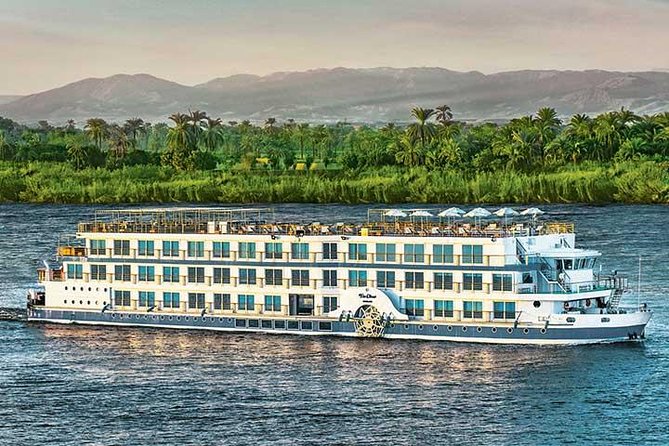
This trip is built around the reality that Egypt’s biggest temples are spread out, and travel days can eat your energy. Here, the cruise does the heavy lifting. You’ll sleep on the Nile, wake up near the next set of sights, and move by vehicle or boat only when it helps your plan.
The trade-off is that your days are temple-heavy. You’ll spend real time walking and standing in ancient sites, not just snapping a quick photo from the bus. That’s good if you want the “I get it now” feeling. It’s less ideal if you prefer slow travel with lots of free afternoons.
Also, you’re not doing this solo. The group size stays small, so you’ll have a better chance to ask questions and keep up with the guide’s explanations. That matters in places like the Valley of the Kings, where context changes everything.
You can also read our reviews of more tours and experiences in Luxor.



Day 1 in Luxor: Karnak temple plus Luxor Temple orientation
Day 1 starts with pickup in Luxor (or at Luxor airport/train station), then you check in on the cruise and freshen up. This is a practical start. It means you don’t lose the first morning battling paperwork or figuring out where your ship actually is.
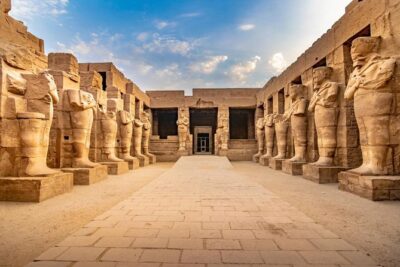
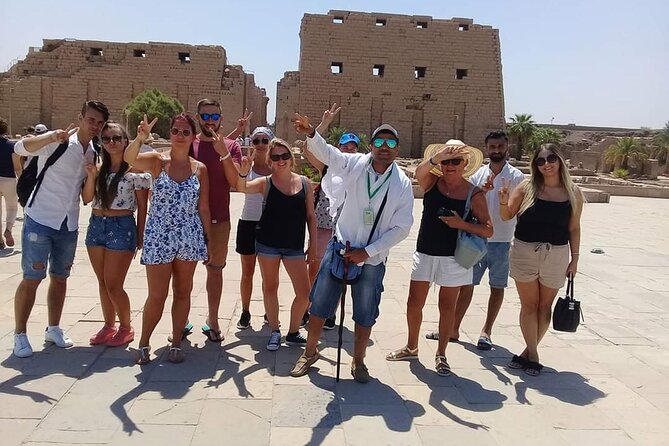
Then you head to the East Bank for Karnak. Karnak is the kind of place that looks impressive even before you understand it. With a guide, it becomes easier to notice patterns: the way the complex expanded over time, the symbolism you’ll see repeatedly, and the sense of scale. Even if you’ve seen photos, it helps to have someone point out what to look for as you walk.
Next is the Temple of Luxor and the Obelisk of Ramses II. The timing here is short, but that’s the point: this is your orientation day. You get anchored in the setting—why Luxor matters—before you move to the more intense West Bank tomb sites the next morning.
A small watch-out: entrance fees aren’t included, so plan to buy tickets on-site when you arrive.
Day 2 West Bank day: Deir el-Bahari, Colossi of Memnon, Valley of the Kings
This is the day most people remember. It’s also the day where a guided pace makes the biggest difference.
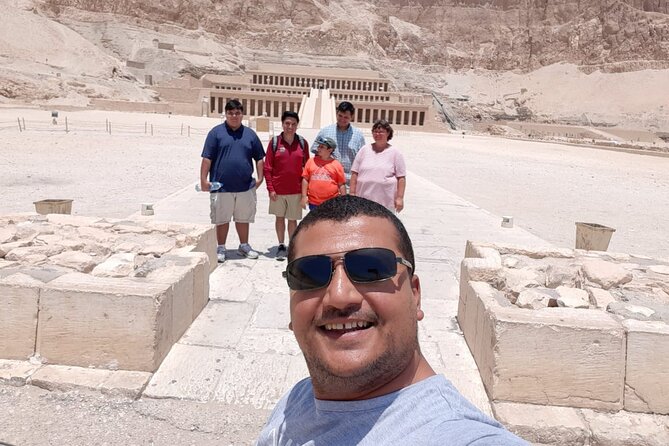
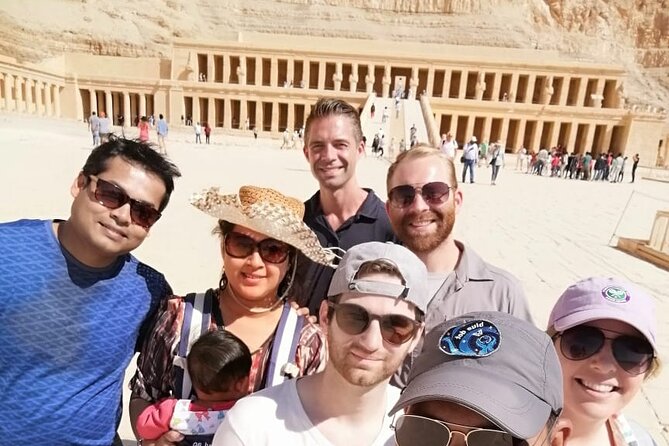
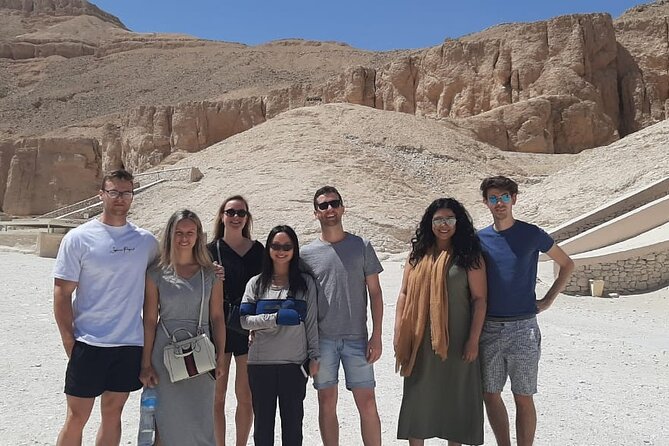
You’ll have breakfast on board, cross to the West Bank, and start with the Temple of Hatshepsut at Deir el-Bahari. The temple sits in a dramatic setting, and the guide’s job is to help you read it. What looks like a pretty structure becomes a statement about power, worship, and legitimacy. If you like details, you’ll get more out of this stop with the guide than you would wandering alone.
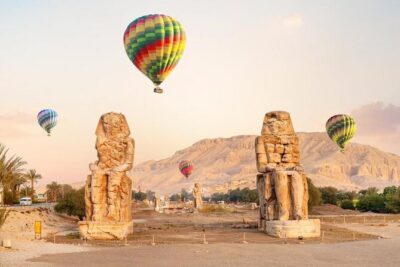
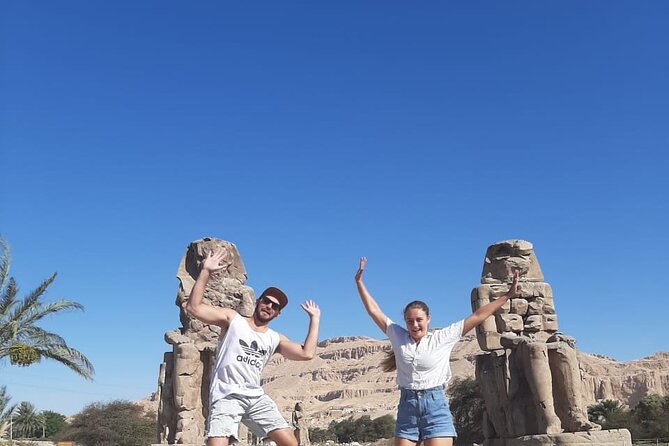
Then you visit the Colossi of Memnon. They’re brief, but they’re memorable. You’ll see the scale instantly, and it’s a quick way to shift from the temple’s story to the West Bank’s bigger theme: monumental building tied to rulers and the afterlife.
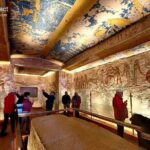
After that comes the main event: the Valley of the Kings. This is where the tour format shines. You’re not just walking into tombs. You’re guided through what these royal burials represent and how the site works as a whole. Even with limited entrance time (since tickets are extra), you can still get a lot from the explanation and the flow of the visit.
Logistics tip: in West Bank sites, you’ll likely move at a walking pace for longer stretches. Wear shoes that handle uneven ground and dust, and keep water in mind even though drinks aren’t included on the cruise.
Day 3 sailing days: Edfu Temple with cart ride, plus Kom Ombo
Day 3 is a mix of travel-by-boat and temple time, which is exactly how a Nile cruise should work when it’s done well.
After lunch, you visit the Temple of Horus in Edfu. Here you’ll also have a cart ride at the Edfu temple, which adds a little rhythm to the experience and makes the approach feel more structured. The guide helps you connect the building’s layout and symbolism to the bigger story of Egypt’s gods and state religion.
Before or during the sailing segment, you’ll cross Esna Lock. That kind of detail matters because it breaks up the cruise time with something you can actually observe. It also keeps the day from feeling like a long “sit and wait” stretch.
Later, you stop at Kom Ombo for the Temple of Kom Ombo. One of the clever things about the itinerary is that you’re not only seeing huge-famous single-site icons. Kom Ombo offers another temple style and another slice of the Nile-era worldview, which helps the trip feel more rounded.
Again, entrance fees apply here too, so think of this day as ticket-and-walking day plus one or two meaningful scenic moments from the boat.
Day 4 Abu Simbel and Philae: a long day with the highest payoff
Day 4 is the heavy-hitter day. It’s also the longest one: around 8 hours for Abu Simbel, then more sights back in the Aswan area.
You start with Abu Simbel. The package includes a sharing group tour for this stop, which is a big deal for value and pacing. Abu Simbel can be complicated and time-consuming, and having it handled reduces stress. It’s famous for a reason, but the real reason to go is the scale and intent: this is ancient state messaging in stone. A guide helps you see what you might otherwise miss.
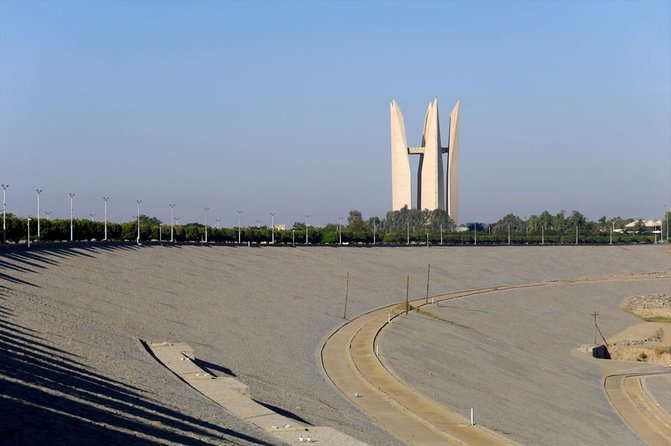
After Abu Simbel, you return to Aswan to visit the Aswan High Dam. That stop gives you a modern frame for the story. It’s not ancient art, but it explains how the Nile is managed today and why Aswan became so important.
Next you’ll see the Unfinished Obelisk. This one is fascinating because it shows ambition in the middle of execution. You get a different kind of perspective than you do from finished monuments.
Finally, you visit Philae Temple by motorboat, which is a fun and practical way to reach the site. The boat ride helps set the mood, and the temple visit is the perfect closer to the ancient portion of the trip. If you’re the kind of person who likes comparing how sites feel in different settings, Philae’s location and approach will likely stick with you.
This day can feel intense. I’d treat it like a workout: good breakfast on board, comfortable clothes, and a plan to take a few slower breaths when you can.





Day 5 Aswan wrap-up: check out and choose your drop-off
After breakfast, you check out and transfer to your accommodation in Aswan or another drop-off point you prefer. That flexibility is helpful. Some people want to stay near the riverfront, others near a specific neighborhood, and the ability to choose makes the end of the tour less stressful.
Day 5 is lighter than the previous days by design. You’re not cramming in another big temple cycle before departure. That means you have time to regroup, review photos, and plan what you’ll do after the cruise.
One detail to watch: the information you have includes an optional Abu Simbel mention tied to the final morning. Since Abu Simbel is already listed earlier in the plan, treat that as a schedule variation or add-on depending on your exact departure. If this matters for you, confirm directly with your provider before you go so you don’t assume the wrong thing.
Price and value: what $333 really buys and what to budget for
At $333 per person, this package is positioned as a value play for a 5-day cruise format. The key is what’s bundled:
- 4 nights on board on a 5-star Nile cruise, full-board (FB)
- Meals: lunch on day 1 through breakfast on day 5, with dinner and lunch during your cruise days
- Transfers in air-conditioned vehicles
- Egyptology English-speaking guide
- Guided site visits tied to Luxor, Edfu, Kom Ombo, Aswan sights, plus the motorboat visit to Philae
- Cart ride at Edfu
- Abu Simbel sharing group tour
- Service/taxes/landing/parking fees are handled on the provider side
What’s not included is the part that can surprise first-timers: entrance fees. Those aren’t listed as included, and the itinerary explicitly says they’re at your own expense. So your true total will be tour price plus tickets.
One more value detail: WiFi is not included on the cruise (and may cost extra). That doesn’t affect the core experience, but it can affect your trip if you plan to stay connected constantly.
If you want the best value, you’ll get it by treating this as an organized coverage of the classics with guide interpretation. If you want to pick and choose your own tickets and freestyle everything, a guided cruise may feel expensive compared to a self-planned approach.
Cruise comfort, food, and staff service on the Nile
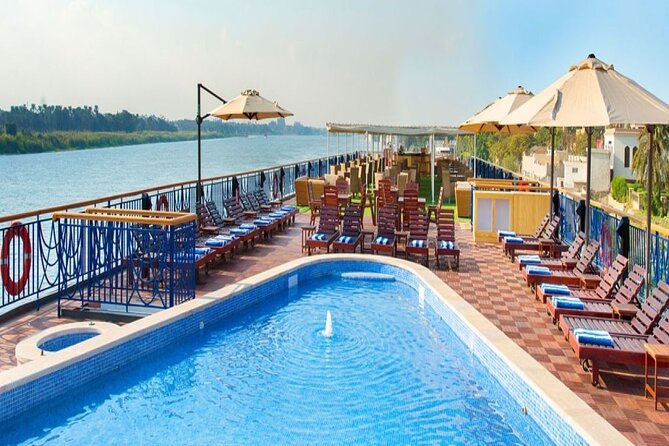
Even when itineraries are similar, comfort matters. The cruise is marketed as 5-star, and the reviews data behind this deal point to a consistent theme: cabins are comfortable and the ship stays clean and well kept. Housekeeping responsiveness shows up in the feedback too, which usually means the basics are being taken seriously.
Food is another strong selling point. You’ll get meals across the cruise days, and the onboard service is described as friendly and smooth. Many visitors highlight that buffets offer plenty of options across different days, which helps if you’re tired after long temple walks.
For practical expectations:
- You’ll have no included drinks on board, so plan accordingly.
- WiFi isn’t part of the deal and has an extra charge if you need it.
- Boat staff tipping is not included, so you should decide in advance what feels fair to you for the level of service you experience.
There’s also a reality check: one review notes the ship can feel a bit tired. That doesn’t mean it’s unpleasant, but it does mean you might want to set expectations: this is more about the route and the included structure than about brand-new luxury surfaces.
Guide quality and small-group tempo: how to get more out of every temple
This is where the tour differentiates itself. You’re not just being dropped off at famous monuments. You have an Egyptology English-speaking guide, and the group stays small (listed as no larger than 13, with a maximum of about 15 travelers).
That small-group size makes a difference in two ways:
- You can ask questions without competing with a crowd.
- The guide can keep you moving while still explaining why each place matters.
The feedback also includes guide names, which is useful for your expectations. People mention guides like Khaled, Talat, Talaat, and Khaled El Saady, and describe them as professional, organized, and strong on Egypt’s background. There’s at least one note that tour-guide experience can vary, so if you’re picky about your guide style, I’d message the provider in advance to confirm who will lead your departure.
Practical move: when you’re at a temple, don’t just follow the group. Pause for a second and let the guide’s explanation sink in before you walk on. That’s where the value lives.
Abu Simbel photo planning and the optional balloon add-on
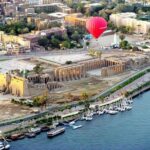
The optional balloon is listed, but the detailed balloon timing isn’t spelled out in what you shared. Still, balloon rides in Egypt typically connect to sunrise lighting, and that’s exactly when temple and Nile views look best.
If you’re considering it, plan around energy. Abu Simbel is long and tiring, so pairing a balloon morning with the most intense day(s) can be a lot. If the balloon option is available in your dates, ask where it fits in the schedule and whether it affects your pickup or temple timing.
If you care mostly about classic temples, skip the balloon and save your energy for the West Bank and Abu Simbel days. If you want a once-in-a-lifetime sky view, the balloon can be worth the extra planning.
Should you book this Luxor to Aswan Nile cruise?
Book this tour if you want a structured way to see the big Egypt highlights in a short time. It’s especially good for first-timers who want guidance with context, and for anyone who prefers having transfers and site flow handled for them. The combination of full-board on a 5-star ship, small-group guiding, and stops that cover Luxor, Edfu, Kom Ombo, Aswan, Philae, and Abu Simbel makes it a practical value.
Skip it or think twice if entrance fees would push your budget too far, or if you hate organized days with long visits. Also consider that Day 4 can be a long, high-intensity stretch. If you’re traveling with mobility limits or you need very low-stress pacing, you’ll want to talk to the provider about your specific needs before booking.
If you want your Egypt trip to feel like a set of linked stories rather than disconnected sightseeing stops, this one is hard to beat for the money.
FAQ
What meals are included on this cruise?
Meals are included from lunch on day 1 through breakfast on day 5, with lunch and dinner during the cruise days. Entrance fees are not included.
Are entrance fees for the temples included?
No. Entrance fees are at your own expense for the sights visited.
Is pickup included in Luxor and transfers included to Aswan?
Yes. You get meet and assist service and transfers by modern air-conditioned vehicle, including pickup in Luxor (from accommodation, Luxor airport, or train station) and a drop-off in Aswan on the last day.
How large is the group?
The tour is described as a small group, with a maximum of about 15 travelers (and guidance also notes groups no larger than 13).
Are the guides English-speaking?
Yes. The tour includes an Egyptology English-speaking tour guide.
Is WiFi included on the cruise?
No. WiFi on the cruise is not included and is available with an extra charge.
Does the tour include Abu Simbel and Philae?
Yes. Abu Simbel is included as a sharing group tour, and Philae Temple is included with a motorboat transfer.
Is the balloon option part of the package?
The experience lists an optional balloon, but the specific timing details aren’t provided in the plan you shared. If you want it, confirm the schedule fit before you finalize your booking.
What is the cancellation window?
You can cancel up to 24 hours in advance for a full refund. If you cancel less than 24 hours before the start time, the amount paid is not refunded.