REVIEW · LUXOR
4Nights Nile Cruise from Luxor to Aswan with Abu Simbel & Balloon
Book on Viator →Operated by Luxor Magic Tours · Bookable on Viator
Sunrise over Luxor is a wow-you-already. A hot air balloon ride and the sheer scale of Abu Simbel are the two big reasons this trip feels like more than a standard cruise. The main drawback is that the operator’s online reputation is mixed, so you’ll want to confirm details in writing before you pay.
I like that you get a true “Egypt highlights” route in five days: Valley of the Kings and Hatshepsut on the west bank, then Karnak and Luxor Temple before the river voyage. You also get an Egyptology guide for the major temple stops, which helps the sites make sense fast instead of feeling like you’re just looking at stones.
One more thing to consider: the schedule is early and full. You’ll have long temple days and an extremely early Abu Simbel morning, plus tips aren’t included—small, but it affects your total cost.
In This Review
- Key points worth knowing before you go
- Why the Luxor sunrise balloon changes the whole trip
- West Bank Luxor: Valley of the Kings, Hatshepsut, and Colossi of Memnon
- Karnak and Luxor Temple: the sacred “biggest hits” before you sail
- Edfu and Kom Ombo: Horus by carriage and sunset temple views
- Abu Simbel: early start, huge payoff, and time back on the ship
- Aswan time: Philae Island, the High Dam, and the unfinished obelisk
- Food, ship comfort, and what all-inclusive really means
- Price and value: is $1,391 per person a smart deal?
- Who this Luxor to Aswan cruise fits best
- Should you book this Luxor-to-Aswan cruise with balloon and Abu Simbel?
- FAQ
- What’s the duration of the cruise from Luxor to Aswan?
- Where does the tour start and end?
- What’s included with the hot air balloon ride?
- Does the tour include Abu Simbel?
- Are meals included during the cruise?
- Is there an Egyptologist or expert guide?
- What temple sites are included besides Abu Simbel?
- How does transportation work during the tour?
- Are tickets and admissions included?
- Is tipping included?
- What is the cancellation window?
Key points worth knowing before you go
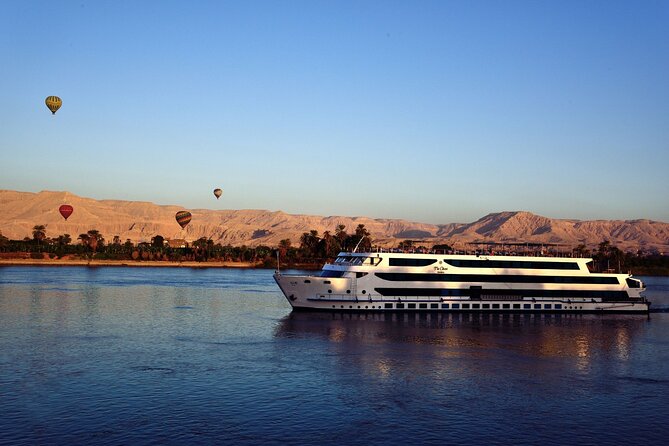
- Sunrise balloon over Luxor: short, magical flight that sets your tone for the trip
- Expert guided temple stops: you’ll get context at the big-ticket sites like Valley of the Kings and Abu Simbel
- Abu Simbel as a day trip: early departure, big payoff, and a full return to the ship by early afternoon
- Horse-drawn carriage and boat transfers: adds local flavor beyond a bus-and-lecture rhythm
- All meals included on board: breakfast, lunch, and dinner are covered for most of your days
Why the Luxor sunrise balloon changes the whole trip
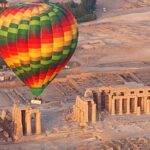
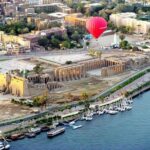
This cruise starts with one of the few experiences in Egypt that feels both simple and wildly cinematic. The balloon ride is scheduled for sunrise over Luxor, so you get views before the heat and crowds ramp up.
What I like about this is how it resets your brain. You see the temples and river from above, then later you go down to ground level and the details snap into place—especially when you’re near the Luxor temple and Karnak area.
Practical note: balloon flights can be weather-dependent, so build in the idea that timing matters. In your planning, treat this as a centerpiece, not an afterthought.
You can also read our reviews of more tours and experiences in Luxor.



West Bank Luxor: Valley of the Kings, Hatshepsut, and Colossi of Memnon
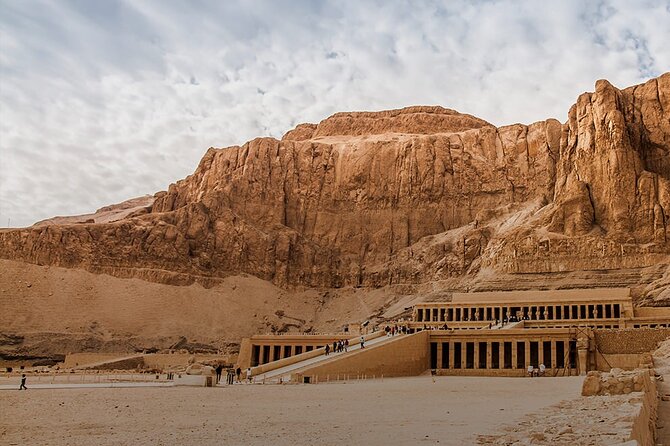
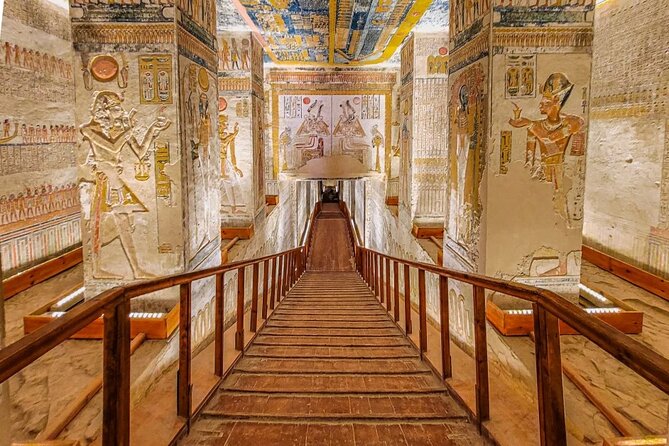
Your first major day focuses on Luxor’s west bank, where the monuments feel quieter and more dramatic than the city-side temples. You’ll cross by motor boat and start with the Valley of the Kings, famous for royal tombs, including the tomb associated with Tutankhamun. Plan on a lot of information here—this is the kind of place where an Egyptology guide makes the difference between names and meaning.
Next comes Temple of Hatshepsut at Deir el Bahari. Even without memorizing every detail, you can feel why her story matters. Hatshepsut was a rare female pharaoh, and the temple’s terraces and carvings give you a visual sense of power and ambition.
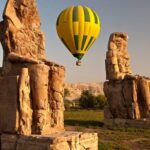
You finish the west bank visits with the Colossi of Memnon: two giant statues of Amenhotep III. They’re not a long stop, but they’re memorable. It’s a quick hit of scale, and it helps break up a day that’s otherwise very tomb-and-temple heavy.
Good to know: this side of Luxor is a mix of walking, uneven terrain, and waiting for your group to funnel through each area. If you’re the kind of traveler who gets impatient in lines, pack patience. The payoff is worth it.
Karnak and Luxor Temple: the sacred “biggest hits” before you sail
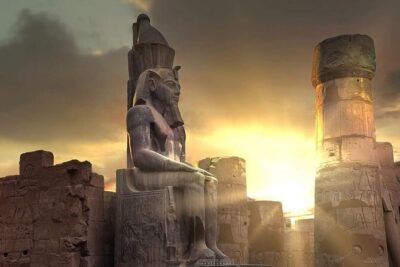
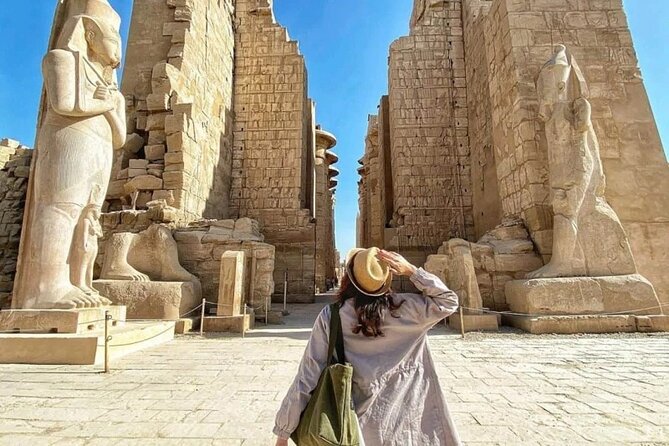
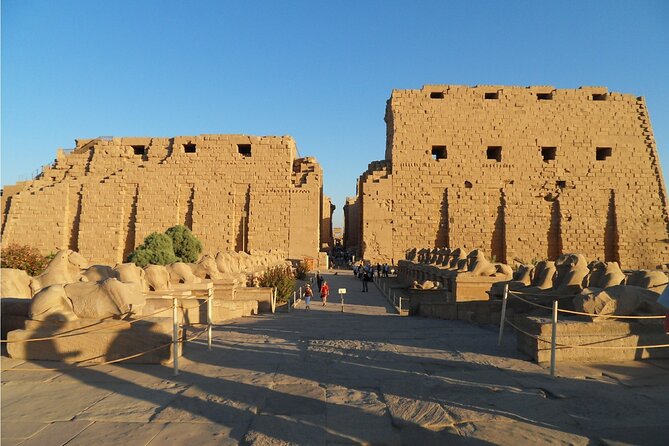
After the balloon, you shift into the Karnak Temple and Luxor Temple circuit. Karnak is the largest temple complex in the world, and that scale is hard to fully understand until you’re standing inside it. You’ll have guided time here, which helps you connect pillars, courts, and sanctuaries to how Egyptians used these spaces.
Then you move to Luxor Temple, built by Amenhotep III and completed by Ramses II. This temple tends to feel more intimate than Karnak while still being grand, and it’s a strong contrast after the morning’s balloon views.
One reason I think this setup is smart: it places the temples right after your sunrise flight. Your sense of geography is sharper, and you notice alignments and spatial logic instead of just absorbing visuals.
Later in the day, you start the cruise portion. You’ll spend the afternoon sailing toward the Edfu area, with time passing through the Esna lock. Even if you don’t love boats, the river movement is a nice breather between intense site days.
Edfu and Kom Ombo: Horus by carriage and sunset temple views
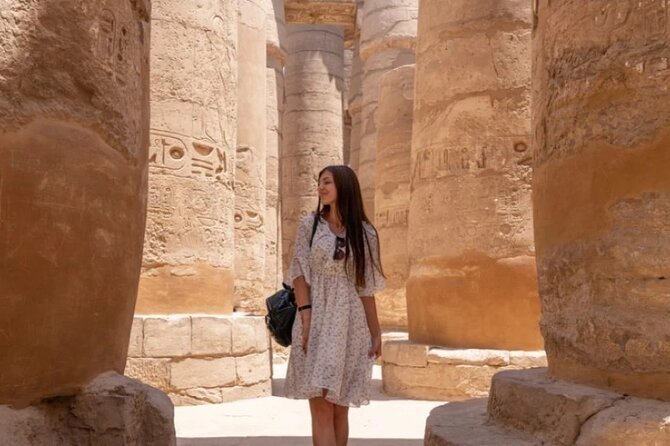
The Edfu stop leans into classic Nile cruising rhythms. After breakfast, you take a traditional horse-drawn carriage to reach the Temple of Horus. It’s a short ride, but it adds a local touch that feels like more than just transport.
At Edfu, your time is guided, and the temple’s dedication to Horus gives you a clear theme to follow while you walk through the rooms and walls. This is where you start feeling the trip as a story—how one era’s beliefs and symbolism build into the next.
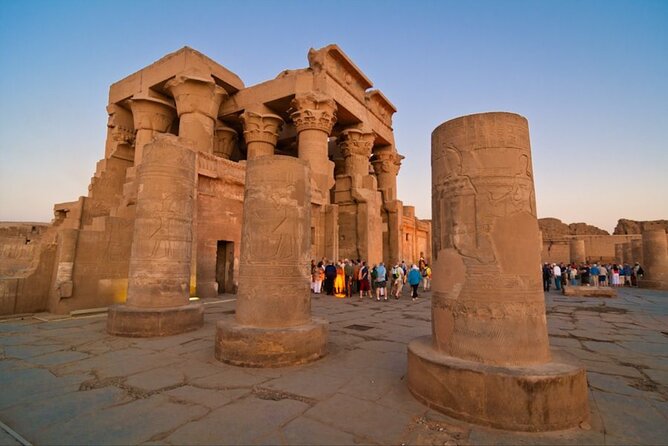
Then you head toward Kom Ombo. You’ll continue sailing and arrive with time to see the Temple of Kom Ombo around sunset. Sunset is a practical advantage here: the light softens the stone, and the timing helps you avoid the hottest hours.
One drawback of this type of schedule is that you’re often moving between sites and ship life in the same day. If you need a lot of downtime, you might find yourself wishing for an extra hour to just watch the river.
Abu Simbel: early start, huge payoff, and time back on the ship
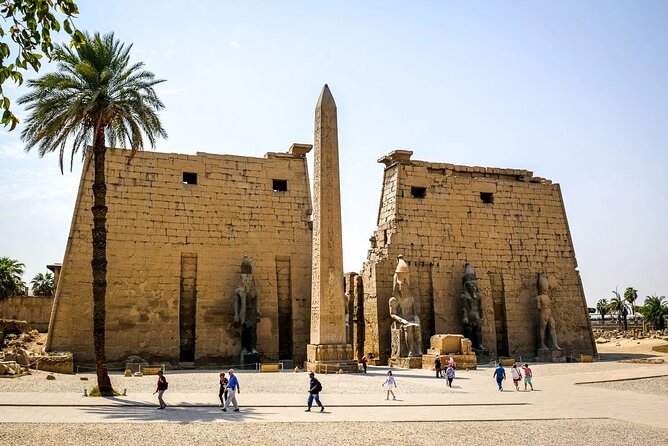
If you only do one “make it unforgettable” day, it’s Abu Simbel. You depart early in the morning for the Abu Simbel Temple Complex, one of Egypt’s most iconic monuments, carved into the mountainside at monumental scale.
The key is the timing. You return to the cruise by around 1 PM, which is unusually generous for a day trip like this. That means you’re not stuck rushing through dinner plans or doing a late-night scramble. Lunch and ship downtime come right after, so you can process what you just saw instead of feeling wiped out.
Back on board, the cruise includes time to use ship facilities, including a swimming pool. That small detail matters if you’ve been walking all morning in sun and dust. Even a short dip can make the next temple day feel more manageable.
Value tip: Abu Simbel is often sold as an add-on, sometimes with extra fees. Here, it’s already part of the package, so you’re not hunting down separate tickets or arranging your own transport.



Aswan time: Philae Island, the High Dam, and the unfinished obelisk
Aswan is a different mood from Luxor. It feels more Nubian and more open, and the itinerary supports that shift by mixing temple sites with city and engineering stops.
After disembarking, you take a motor boat to Philae Island Temple, dedicated to the goddess Isis. The boat transfer helps you feel like you’re approaching something set apart rather than just crossing a road. The guided visit also matters here, because this is a temple where the symbolism works better when you understand it.
Next is the Aswan High Dam, described as an engineering feat that protects Egypt from annual floods. This stop is a useful counterpoint to all the ancient-carved stone days. You get to see how Egypt’s story continues into modern infrastructure and how people manage the river today.
Then you visit the Unfinished Obelisk, where an obelisk was abandoned due to a crack. This is one of those stops you might skip if you only care about finished monuments. Don’t skip it. It gives you a real glimpse at the craft process—how even the “perfect” monuments depended on trial, error, and stone that behaved the way it wanted.
You’ll also have time in Aswan in the evening to explore a local market. Even a quick wander can help you anchor the trip in daily life rather than only museum moments.
Food, ship comfort, and what all-inclusive really means
This tour is set up as a full-board cruise for your time on the ship. You’re covered for breakfast (4), lunch (4), and dinner (4). That’s a big value point because eating on the Nile can add up fast, especially if you’re trying to stay convenient after long temple days.
The included meal setup also reduces decision fatigue. When each day ends with a temple stop, you don’t want to spend your evenings hunting for food choices. With meals included, your energy stays focused on seeing and learning.
Ship comfort is usually the part that can vary most from person to person because cabins and expectations differ. One comment you’ll want to take seriously is that at least one traveler felt the boat wasn’t as shown in promo material. That doesn’t mean the trip is bad—just that you should manage photo expectations and confirm what room category you’re actually getting.
A smaller comfort detail from the feedback: housekeeping can be attentive, and towel decoration can be part of the experience. Those little touches won’t change the temples, but they do help the cruise feel like a complete package.
Price and value: is $1,391 per person a smart deal?
At $1,391 per person, you’re paying for a concentrated mix: five-day timing, four nights on a five-star Nile cruise, guided temple admissions, pickup, and two “signature” experiences—sunrise balloon and Abu Simbel.
Here’s how I think about value for this kind of itinerary:
- Balloon + Abu Simbel + big-name temples are the hardest items to price separately and the easiest to mess up when you DIY. Bundling these tends to reduce stress.
- The cruise component covers your sleeping, most meals, and the sailing days in between, so you’re not burning money and time switching hotels.
- A guided Egyptology approach at the major sites is a quality lever. Without it, you might enjoy the scenery but miss the meaning.
Now the caution: the trip price also means you should be picky about confirmation. Online feedback includes complaints about business practices and about unclear or inconsistent information. I can’t tell you what will happen for your booking, but I can tell you how to protect yourself: get written confirmation of what’s included, ask about the exact cruise and cabin category, and make sure pickup timing is clear before you arrive.
If you do that homework, the price looks more like a fair “pay for convenience and scale” deal. If you skip it, you risk paying a lot for a trip that feels less controlled.
Who this Luxor to Aswan cruise fits best
This cruise is a strong match if you want a guided, high-impact route with minimal planning. You’ll like it if you’re comfortable with early mornings and long days.
It’s also a good choice if you enjoy mixing ancient sites with modern context. The itinerary includes temple work plus the High Dam, plus the unfinished obelisk—so it’s not only “go see temples, take photos, repeat.”
Where it may not fit: if you hate group pacing, you might feel the day flow is fixed. Your group visits multiple sites per day, and the schedule is tight. Also, because tipping isn’t included, you should budget a bit extra so you’re not surprised at the end.
Should you book this Luxor-to-Aswan cruise with balloon and Abu Simbel?
I’d book it if you want the kind of itinerary that moves fast, teaches you as it goes, and includes the big-ticket experiences in one package. The combination of sunrise balloon views and Abu Simbel’s scale is rare, and the schedule gives you time back on the ship after that long day trip.
I’d hesitate only because of the mixed reputation around business practices. If you do decide to book, take five minutes to protect yourself: confirm the inclusions clearly in writing, verify what ship/cabin category you’re getting, and make sure pickup and timing are confirmed before travel.
If those boxes are checked, this is the type of Nile cruise that can feel like a complete Egypt story—Luxor’s west bank, Karnak’s scale, Edfu and Kom Ombo’s temple rhythm, then Aswan’s quieter engineering and island temple mood.
FAQ
What’s the duration of the cruise from Luxor to Aswan?
It’s listed as 5 days approximately, including 4 nights on the Nile cruise ship.
Where does the tour start and end?
The route starts in Luxor and ends in Aswan, with a transfer at the end to your Aswan hotel, train station, or airport.
What’s included with the hot air balloon ride?
A sunrise hot air balloon ride over Luxor is included.
Does the tour include Abu Simbel?
Yes. The trip to the Abu Simbel Temple Complex is included, with an early departure and return to the cruise by around 1 PM.
Are meals included during the cruise?
Yes. Breakfast (4), lunch (4), and dinner (4) are included.
Is there an Egyptologist or expert guide?
Yes, the tour includes an expert tour guide service for the included visits.
What temple sites are included besides Abu Simbel?
You’ll visit the Valley of the Kings, Temple of Hatshepsut at Deir el Bahari, Colossi of Memnon, Karnak Temple, Luxor Temple, Temple of Horus (Edfu), Temple of Kom Ombo, Philae Island Temple, plus Aswan High Dam and the Unfinished Obelisk.
How does transportation work during the tour?
Pickup is offered, and the tour includes transfers. You’ll also use motor boat transfers for certain parts such as reaching Philae Island Temple and moving to the west bank areas.
Are tickets and admissions included?
Admissions are listed as included for multiple stops throughout the itinerary.
Is tipping included?
No. Tipping is not included.
What is the cancellation window?
Free cancellation is available up to 24 hours in advance for a full refund.