REVIEW · LUXOR
4 Nights Luxor to Aswan Nile cruise with Abu Simbel&Air Balloon
Book on Viator →Operated by Here Egypt Tours · Bookable on Viator
Balloon over Luxor is pure magic. I love that the hot air balloon ride is built into the price, and I love how meals are included across the cruise. The tradeoff: you’ll have early starts, and entrance fees and onboard drinks cost extra.
This is a fast, well-organized run of Egypt’s biggest hits between Luxor and Aswan—Valley of the Kings, Karnak, Edfu, Kom Ombo, and Abu Simbel—guided by an Egyptologist. In the best-case scenario, your guide (I’ve seen names like Ahmed and Tarek in the mix) is the kind of person who makes carved stone feel real. Still, don’t expect every cabin to feel like a western 5-star hotel, and you may hear boat engine noise depending on your room.
In This Review
- Key things I’d plan around
- What the Luxor to Aswan cruise includes (and what it doesn’t)
- Day 1: Luxor west bank with the Valley of the Kings and Hatshepsut
- Day 2: Hot air balloon over Luxor, then Karnak and Luxor Temple
- Day 3: Edfu by horse and carriage, then Kom Ombo at sunset
- Day 4: Abu Simbel before sunrise, plus Aswan market time
- Day 5: Aswan High Dam, Philae Temple, then onward
- The balloon: timing, rules, and how to get your best shots
- Cruise life: cabins, food, sun deck, and the noise factor
- How the Egyptologist guide changes your experience
- Price and value: is $648 a smart deal?
- Who this trip suits best
- Should you book this Luxor to Aswan cruise with balloon and Abu Simbel?
- FAQ
- Is the hot air balloon ride included?
- What time do the balloon and Abu Simbel tours start?
- Are entrance fees included?
- Are drinks included on the cruise?
- Are meals included during the cruise?
- Does the tour include a ride to Philae Temple?
- How are you transported to the temples in Luxor?
- Are guide services included?
- What’s the group size?
- What happens if Abu Simbel is canceled due to weather?
- When does the tour end?
Key things I’d plan around
- Sunrise chaos (on purpose): balloon and Abu Simbel both require very early departures
- This is a guided loop, not free roaming: temple time is scheduled, so you won’t wander at will
- Entrance fees are not included: budget extra for sites once you’re on the ground
- Abu Simbel and the balloon are weather-dependent: there can be refunds if canceled for bad weather
- Day-to-day pacing balances tours and ship time: some days are heavy, others give you pool-and-sunset time
- Group size stays small: the tour maxes out at 15 travelers, which helps your transfers and timing
What the Luxor to Aswan cruise includes (and what it doesn’t)
For $648 per person, you’re buying a lot of logistics wrapped in one package. You get 4 nights aboard a cruise ship sailing Luxor to Aswan, with your meals included (lunch on day 1 through breakfast on day 5). You also get an Egyptology guide for the listed sights, plus air-conditioned coach transport on tour days.
Transfers are door-to-door in Luxor and Aswan, and you’ll use the boat crossings needed for the Luxor west bank temples and the sailing route itself. Two big inclusions are the Luxor hot air balloon ride and the trip to Abu Simbel.
The parts that cost extra matter:
- Entrance fees at temples and sites
- Drinks (and water) on the cruise
- Motorboat to Philae Temple (mentioned separately)
- Tips for guides, drivers, and cruise staff (the tour doesn’t include tipping)
Also, if you’re staying on the Luxor west bank and want pickup from there, it’s an extra $10 per person. Same idea for dropping you at Aswan west bank hotels.
You can also read our reviews of more tours and experiences in Luxor.


Day 1: Luxor west bank with the Valley of the Kings and Hatshepsut
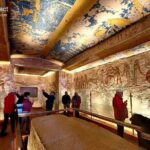
Day 1 is all about Luxor’s west bank—the side that feels like ancient Egypt’s “main stage.” After pickup and a motorboat ride to the west bank, you start with the Valley of the Kings. This is where you stand under the scale of tomb architecture, and you quickly realize why guides talk about tomb protection and how discovery changed what we know.
Next comes the Temple of Queen Hatshepsut. The key here is context: you’re not just looking at walls—you’re getting the story of a major female ruler and her lasting building program. It’s the kind of stop that turns a quick photo stop into something that clicks.
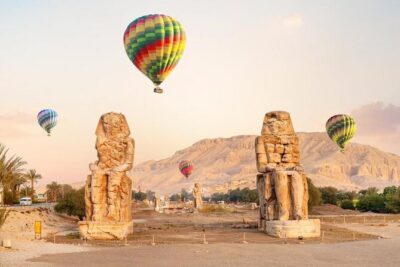
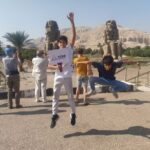
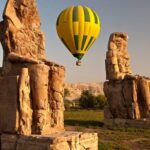
You end the day at the Colossi of Memnon, the famous giant statues that watch over the desert plain. It’s a good final visual after caves and temple corridors, and it helps you connect the different “moods” of this west bank route.
Practical note: Day 1 runs long, and you’ll be on your feet. Comfortable shoes are non-negotiable.
Day 2: Hot air balloon over Luxor, then Karnak and Luxor Temple
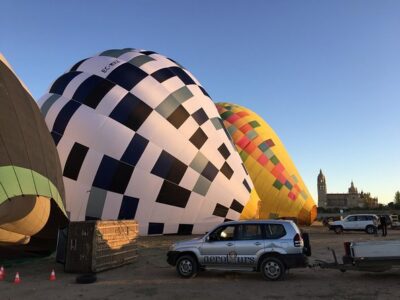
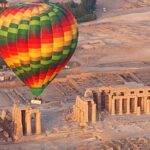
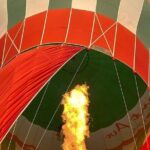
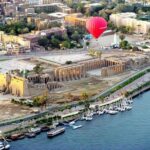
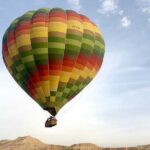
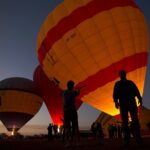
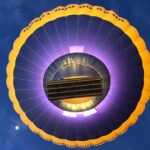
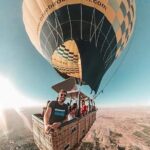
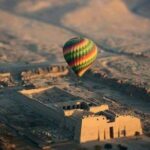
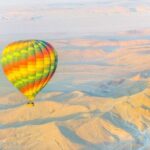
This is the day you’ll brag about later, mainly because the hot air balloon ride is included and timed early in the morning. You’ll be picked up for the balloon, then it’s back to tours.
A couple rules to know:
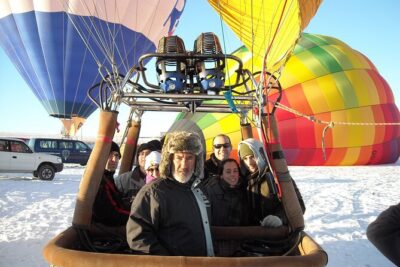
- Camera is not allowed inside the balloon basket; you can use your cellphone only
- A child under 6 can’t participate in the balloon ride
- If weather cancels it, you get a $30 refund per person
After the balloon, your day shifts into temples. You’ll visit Karnak Temple, often described as Egypt’s most dramatic temple complex. Then you head to Luxor Temple, which sits closer to the river and feels easier to picture once you’ve seen Karnak’s scale.
Then your cruise starts sailing. You get the chance to relax on deck as the scenery slides by and islands appear along the way. You’ll also pass the Esna lock, which is one of those Nile moments that’s oddly satisfying—you get to watch water management in action while the ship does its thing.
If you like downtime, this is your first evening where it actually exists.
Day 3: Edfu by horse and carriage, then Kom Ombo at sunset
Day 3 keeps the momentum, but it adds variety. After breakfast, you’ll go to Edfu and ride to the temple area by traditional horse and carriage. That’s a small inclusion, but it changes how the day feels. Instead of just walking in, you get a more Egypt-on-the-street feel before you step into the temple itself.
Your main temple stop here is the Temple of Horus at Edfu. It’s a strong counterpoint to Karnak: more focused, more readable, and easier to understand when your guide frames the layout and symbolism.
Then it’s back to the ship and sailing along the Nile. You’ll stop at Kom Ombo later, near sunset. Kom Ombo Temple has a very distinctive setup, and sunset timing usually makes the colors on stone look better and your tour photos less flat.
You’ll sail onward to Aswan, famous for its Nubian culture. The ship docks overnight, so you’re arriving ready for the next big early start.
Day 4: Abu Simbel before sunrise, plus Aswan market time
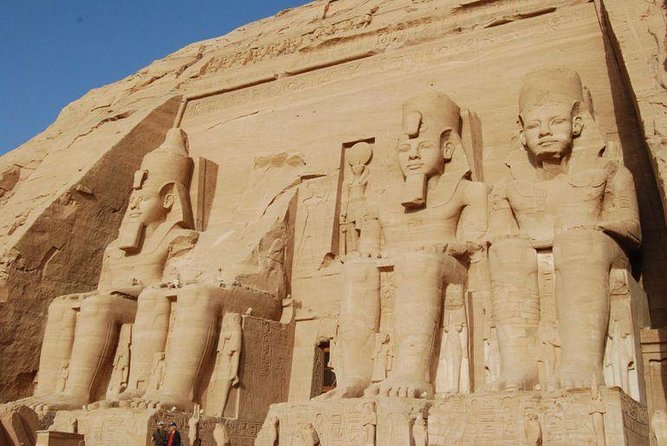
If you want the biggest wow-per-hour stop, this is it: Abu Simbel. You’ll go around 5:00 am for the tour, then you’re back around 1:00 pm. That early start is the whole point—you beat crowds and heat, and you see the temples with a calmer rhythm.
If Abu Simbel is canceled due to bad weather, the tour offers a $30 refund per person. That’s not nothing, but it also means you should treat the timing as serious business.
Once you’re back, you’ll have lunch, time to rest, and access to cruise facilities. Many ships have a pool and evening entertainment, and this is your chance to play catch-up on sleep.
Late day in Aswan is also part of the plan. You’ll get time to explore Aswan’s local market area in the evening. It’s not a full city day, but it’s enough to buy small gifts, snack on something local (if you’re willing to spend extra), and feel how Aswan life differs from Luxor.

Day 5: Aswan High Dam, Philae Temple, then onward
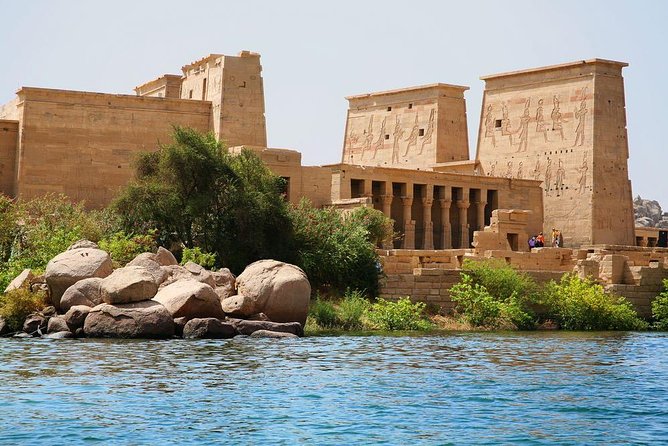
Day 5 is a proper send-off day. After breakfast, you disembark. Your guide picks you up for a drive to take a motorboat to Philae Temple (and that boat ride is specifically listed as not included).
Philae is one of the most beautiful temple settings in the region, and it helps close your trip with a temple that feels like it belongs to the Nile’s story in a different way than the earlier stops.
Next you visit the Aswan High Dam. It’s modern engineering in a place where people come for ancient monuments, and that contrast is part of the value. It grounds the whole trip—how the Nile shapes both history and present-day life.
Finally, you’ll get transfer onward to your Aswan hotel, train station, or airport. The tour ends around 4:00–5:00 pm, so it’s smart to plan for an evening departure if you can.
The balloon: timing, rules, and how to get your best shots
This balloon ride is one of the core reasons to choose this exact itinerary. It’s included, which usually means you’re not negotiating add-ons. But you do have to follow the rules and accept the early hour.
Two photo realities:
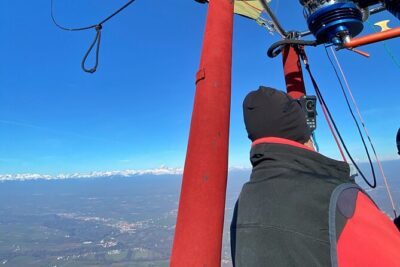
- No camera in the balloon basket—only your cellphone
- Expect a short window for photos once you’re up, so keep your phone charged and ready
Also think about your body clock. If you’re not a morning person, you’ll feel it on day 2 and again on Abu Simbel day 4. Plan for tired legs and keep your daypack light.
If you’re traveling with kids, remember the balloon has a hard limit: kids under 6 can’t join.
Cruise life: cabins, food, sun deck, and the noise factor
Cruise ships on the Nile can be a mixed bag, and this one is no exception. Many people love the convenience: you sleep on board, eat on board, and bounce from ship to tours without constantly changing hotels. The cabin you get is a big part of that experience.
Here’s the reality check I’d share:
- Some cabins are described as clean and comfortable, but the ship can feel dated
- Food is often described as good enough rather than memorable
- Drinks (including water) are not included, so you may spend more than you expect if you’re thirsty
Also, the ship environment can vary by room location. If your cabin is near the back, you might notice more engine noise at night, especially when the boat is stopped or maneuvering.
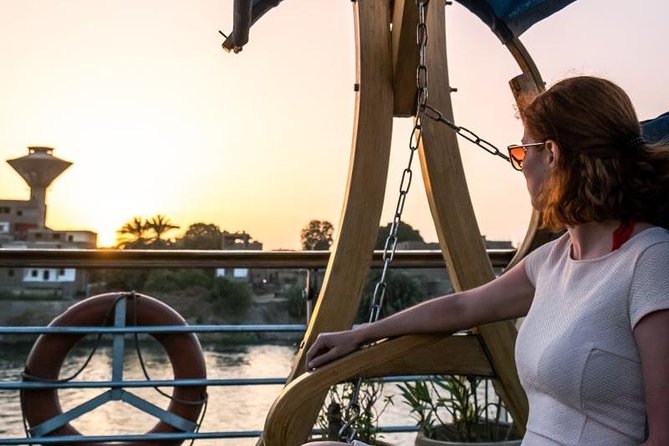
The upside is that you don’t have to be in your cabin much. When sailing, the sun deck is usually where the trip becomes relaxing: you watch the river roll by, and you take in the sunset without packing or commuting.
How the Egyptologist guide changes your experience
This tour leans hard on guiding. You’ll have Egyptology support at the key sites, and the quality of that person affects everything: pacing, explanations, and how much you learn without it turning into a lecture.
In the experiences shared, guides like Ahmed and Tarek show up as standout names. What you want from a guide is simple: clear storytelling and good timing. You’ll also want someone who helps you move efficiently through temples so you don’t lose time to confusion.
One thing to keep in mind: this is still a group tour. You don’t wander where you want. Temple visits follow a schedule, and free time is generally on the ship while you’re sailing.
If you like structure and don’t mind being on a timetable, guidance is a real win here.
Price and value: is $648 a smart deal?
$648 for a 5-day package covering 4 nights on the cruise, meals, a qualified guide, multiple major temple visits, a horse and carriage stop, plus a hot air balloon and Abu Simbel is strong value on paper.
But you should do a quick budget sanity check before you book:
- Entrance fees will be extra
- Drinks on the ship will be extra
- Tips are not included
- Philae motorboat ride is not included
Even with those extras, this package can still beat the cost of trying to assemble Luxor and Aswan transport, guides, and an Abu Simbel day trip on your own—especially if you want minimal hassle.
Where the value can slip is if you’re a stickler for western-style 5-star rooms. Some experiences describe the overall onboard standard as closer to a 3-star feel, even if the tour is priced like a “nice ship” experience. If you’re spending a lot of time in the room, that matters. If you mostly use the ship for sleeping and sunset deck time, you’ll likely feel the value more.
Who this trip suits best
This is ideal if you:
- Want to see Egypt’s big south highlights in a single go
- Prefer guided temple visits over self-planning
- Like early mornings if the payoff is a balloon and Abu Simbel
- Want cruise convenience: sleeping and eating without switching hotels every night
It may be less ideal if you:
- Hate early departures (balloon and Abu Simbel both start very early)
- Get bothered by noise and would rather control your cabin location tightly
- Strongly require high-end western hotel standards for the time you spend on board
- Plan to spend most of your time on your own inside temples (you won’t get that freedom here)
Should you book this Luxor to Aswan cruise with balloon and Abu Simbel?
I’d book it if you want a clear, efficient route and you’re excited by the included balloon. It’s a great way to stack multiple heavyweight sights—Valley of the Kings, Karnak, Edfu, Kom Ombo, Abu Simbel—without turning your trip into a spreadsheet.
I’d think twice if you’re sensitive about onboard quality or you’re uncomfortable with early mornings. In that case, consider whether you’d rather do fewer stops with more control and more hotel comfort.
If you book, go in with the right expectations: treat the cruise as transport plus meals plus a relaxing deck, and treat the tours as the main event. That mindset turns this itinerary into a very strong deal.
FAQ
Is the hot air balloon ride included?
Yes. The hot air balloon ride over Luxor is included in the tour price. If it’s canceled due to bad weather, you receive a $30 refund per person.
What time do the balloon and Abu Simbel tours start?
The Abu Simbel tour starts around 5:00 am. The balloon is a sunrise-style ride, so you should expect an early departure. The exact early timing for the balloon is not listed in a specific hour.
Are entrance fees included?
No. Entrance fees are not included, so you’ll need to plan for site ticket costs separately.
Are drinks included on the cruise?
No. Water or drinks on the cruise are not included.
Are meals included during the cruise?
Yes. Meals are included, starting with lunch on the first day and ending with breakfast on the last day. Lunch and dinner are served on board, with breakfast on the remaining days.
Does the tour include a ride to Philae Temple?
You’ll take a motorboat to Philae Temple, but that motorboat ride is listed as not included. Your transfer to the Philae area is part of the tour.
How are you transported to the temples in Luxor?
You’ll use motorboat crossings for Luxor’s west bank temple visits. You’ll also have air-conditioned coach transport for the scheduled tours.
Are guide services included?
Yes. You get a qualified Egyptology guide, plus licensed drivers for transfers and tours.
What’s the group size?
This tour has a maximum of 15 travelers.
What happens if Abu Simbel is canceled due to weather?
If the Abu Simbel trip is canceled due to bad weather, you get a $30 refund per person. The balloon has a similar $30 refund if canceled due to bad weather.
When does the tour end?
The tour ends on the last day in Aswan around 4:00–5:00 pm, so evening departure is recommended if you’re flying or taking a train later.