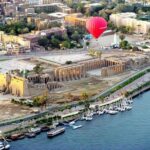
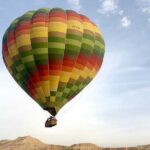
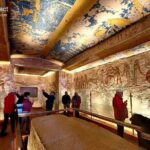
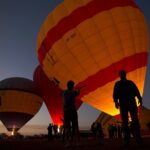
Sunrise over Luxor is the easy part. This 4-night Nile cruise smartly strings together the big temples, and the hot air balloon adds a very real wow factor early in the trip. I also love that you get an English-speaking Egyptologist guide and included admission so you’re not stuck figuring out tickets all day. One consideration: the schedule is early and full—think 4:30 AM balloon and a 5:00 AM Abu Simbel day—so you should be ready for long mornings.
On the river, you’re not just watching the scenery drift by. You’re moving between Karnak and Luxor Temple first, then Edfu and Kom Ombo, and finishing in Aswan with felucca time and Philae. If you like history but also want simple logistics handled—A/C vehicles for ground transfers and boat rides for temple access—this trip fits.
What you’ll feel most is the pace: each day packs in stops, plus onboard entertainment like belly dance and themed evenings. That can be great, but it’s not the slow-travel kind of Egypt trip. If you want breathing room, plan for quieter downtime on the ship between excursions.
Key highlights to know before you go
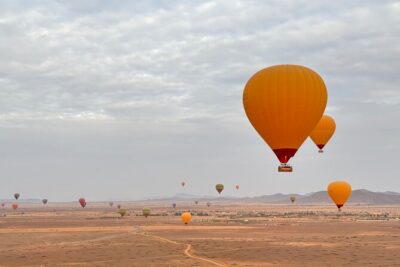
- Sunrise hot air balloon in Luxor (around 4:30 AM) over the West Bank area
- Egyptologist-led temple visits with admission fees included
- Edfu and Kom Ombo using the local transport flow: carriage for Edfu and boat ferry for Philae
- Aswan felucca ride around Kitchener’s Island and the Agha Khan Mausoleum area
- Abu Simbel at 5:00 AM with a breakfast box, then back to pick up luggage and fly out from Aswan
In This Review
- Luxor to Aswan: a very efficient 4-night Nile route
- Karnak and Luxor Temple: temples with structure, not just wandering
- Sunrise balloon over Luxor: the early start that pays off
- Edfu Temple of Horus: the carriage ride moment
- Kom Ombo’s dual temple: Sobek and Horus in one stop
- Aswan High Dam, Philae, and a felucca around Kitchener’s Island
- Abu Simbel at 5:00 AM: the day you’ll remember
- Price and what you actually get for $899
- Practical stuff: meals, transport, and tips that keep the day easy
- Should you book this Luxor–Aswan cruise with Abu Simbel and a balloon?
- FAQ
- How long is the experience?
- What route does the cruise cover?
- Is a pickup service available?
- Does the tour include the hot air balloon ride?
- Are meals included during the cruise?
- Which temples and sites are included?
- How do you get to Philae Temple Island?
- What transport is used for the Edfu temple visit?
- Is the Egyptologist guide included, and what language?
- What is not included in the price?
Luxor to Aswan: a very efficient 4-night Nile route
This is a classic Luxor-to-Aswan Nile cruise route, but with enough “major sites” folded in that it feels like you’re hitting the best highlights without wasting time. The itinerary is built around the core temple circuit: Karnak and Luxor Temple, then Edfu and Kom Ombo, and finally Aswan + Philae and Abu Simbel.
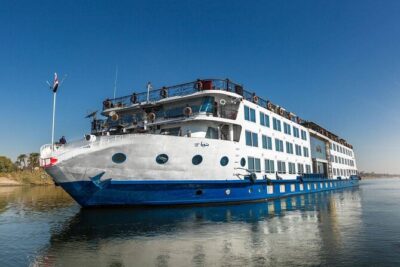
You’ll have four nights total—three nights aboard the cruise (Luxor, Edfu, Kom Ombo) plus one overnight in Aswan. That matters because you don’t spend your evenings commuting, and your days stay focused on the ruins.
The value here is that the experience is set up like a guided “units connected by transport” trip: A/C vehicles handle the travel, and the boats for Philae are built into the day. That reduces stress when you land in Egypt and want to start seeing things fast.
Karnak and Luxor Temple: temples with structure, not just wandering
Your trip starts with pick-up assistance in Luxor and transfer to the cruise, then you jump straight into the temple world. First stop is Luxor Temple—including time for the courtyard and the granite statues of Ramses the Great—then you connect to Karnak Temple by carriage or bus, following the big procession vibe along the Avenue of Sphinxes.
What I like about this approach is that you’re not only looking at pretty walls. Your guide helps you place what you’re seeing into a timeline of rulers and temple traditions, especially at Karnak where the complex grew over different reigns.
Karnak is where the tour really earns its keep. You’re taken through the Unfinished Propylon, the Hypostyle Hall with its 134 massive columns, plus the obelisks of Queen Hatshepsut and Thutmose III, and decorative temple spaces tied to Amun with lotus and papyrus motifs. It’s a lot—but it’s the right “a lot.”
You also get night onboard entertainment, with a belly dance show on the first night, plus nightly tea-time. That’s useful if you want your evening to feel included, not like you’re back in your cabin waiting for the next day.
Possible drawback: the optional Sound and Light show at Karnak costs extra (listed as $40 per person), and if you’re budget-conscious, you may want to skip it and save that time for sleep.
You can also read our reviews of more tours and experiences in Luxor.


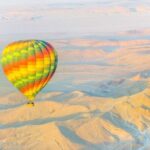
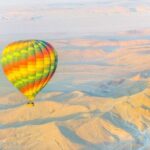
Sunrise balloon over Luxor: the early start that pays off
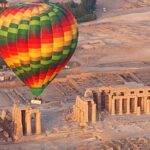
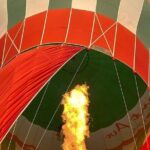
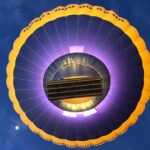
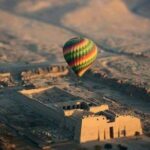
Day two flips you into the “wake up and win” mode. You’ll do a hot air balloon ride starting around 4:30 AM, aimed at sunrise. The goal is to float over what’s basically an open-air museum—this area around Luxor is full of historical sites, and seeing the geometry from above is the kind of perspective you don’t get on foot.
Then you’re back for breakfast on board and into the West Bank day: Valley of the Kings, Colossi of Memnon, and the Temple of Queen Hatshepsut at El Deir el Bahari. The order is smart. You’re out early, then you use the day while you still have energy, and you end with iconic landmarks that are easy to recognize even if you’re a first-time visitor.
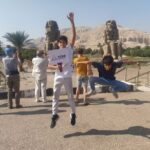
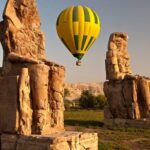
The Valley of the Kings time is listed at multiple blocks (you’ll get around three-hour visits), and you’ll be focusing on tombs of various dynasties. The Colossi of Memnon are your visual break afterward: two gigantic seated statues of Amenophis III, facing the Nile—big enough that they feel like a landmark even before you learn the details.
Then you circle back to Hatshepsut’s temple, which is one of the most striking structures in the Theban region, with terraces and that unmistakable cliffside setting. If you’re the type who likes photos but also likes meaning, this is a good mix.
Consideration: early mornings are not optional here. If you hate alarms, you’ll feel it twice—balloon and later Abu Simbel.
Edfu Temple of Horus: the carriage ride moment
After cruising to Edfu, your next temple stop is Temple of Horus. Edfu is known for how clearly it reads as a temple complex, and you get a guided visit with admission included. You’re also using a specific local transport rhythm here: the package includes a horse carriage ride use as transport for the Edfu temple.
That carriage detail may sound small, but it changes the feel. Instead of just walking from an unromantic pickup point, you experience the approach the way many visitors do in Edfu—part tradition, part short sightseeing.
Once you’re finished, you sail onward toward Kom Ombo. Your day also includes onboard moments like afternoon tea and themed fun—there’s a disco party on this stretch, plus the onboard dinner and overnight.
For people who worry about “too much temple” fatigue, Edfu is a good mid-trip balance: it’s impressive, but it’s not a maze of sections the way Karnak can be. You’ll still be tired, but you’ll understand what you saw.
Kom Ombo’s dual temple: Sobek and Horus in one stop
Kom Ombo is where the tour shifts from single-cult focus to a dual-god layout. You’ll visit the Temple shared by two Gods Sobek and Haroeris, dedicated to the crocodile god Sobek and the falcon god Horus.
This is the kind of temple visit that helps you see Egyptian religion as practical and place-based. Instead of thinking only about one deity, you get the idea of how temples could be designed around multiple divine roles—and how symbolism shows up in architecture and reliefs.
The pacing works here: you finish the temple visit and then cruise onward. The package includes onboard afternoon tea, dinner, and a Galabya party night, plus an overnight in Kom Ombo.
Consideration: temple days can blur together if you don’t rest your brain. Use the tea breaks and any quiet time on deck to reset. It makes the next day’s stops feel sharper.
Aswan High Dam, Philae, and a felucca around Kitchener’s Island
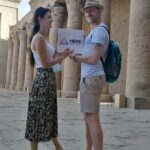
By day four, you arrive in Aswan and switch into a full Aswan highlight set. You start with the Aswan High Dam, then go to the Granite Quarries and Temple of Philae. This is a good balance because it includes both ancient sacred spaces and the modern engineering story around the Nile.
Philae is the standout for most people. You’ll get a short motor boat ride to Philae Temple Island, and your visit focuses on the temple of Isis. The information provided highlights that the most ancient structure on the island is tied to Nectanebo I, along with the idea of restoration and rebuilding on the island.
Then comes a scenic bonus that turns the river back into a viewpoint, not just a route: you’ll sail on the Nile by felucca around Kitchener’s Island and Agha Khan Mausoleum. Even if you don’t care about the names, you’ll care that you’re moving more slowly through the water and getting a different angle on the surroundings.
After that, you’re back onboard for dinner and overnight in Aswan. This is also the night that tends to feel less cramped than the earlier temple-heavy evenings.
Consideration: boat rides and transfers can be weather-sensitive. If the day feels rough, it helps to have comfortable shoes and a calm plan for getting on and off boats.


Abu Simbel at 5:00 AM: the day you’ll remember
The Abu Simbel portion is the big finale and also the hardest day. You disembark, then you’re picked up by A/C transport to Abu Simbel. Since the tour starts at 5:00 AM, you’ll get a breakfast box because the early hour leaves no time for normal breakfast stops.
Once you arrive, the focus is the Abu Simbel Temple Complex, built by Ramses II and saved from Nile inundation. The package description emphasizes the sandstone cliff setting and the idea that the façade carvings represent the deities associated with each temple. Nearby is the small temple of Nefertari, tied to the goddess Hathor, and that pairing is one of the reasons Abu Simbel hits so hard.
Then you return to the cruise to pick up your luggage and transfer to Aswan airport. That means you don’t end the day with extra hotel nights or extra logistics—you’re basically finishing the Egypt site sprint and getting you ready for your next step out.
Consideration: this is not a relaxed goodbye to Egypt. If you travel with kids or anyone who struggles with early mornings, you’ll want to prep for the night before.
Price and what you actually get for $899
At $899 per person, the question isn’t just the number—it’s what’s bundled. This includes:
- 4 nights full board on the cruise/overnights listed
- Qualified English-speaking Egyptologist guide
- Admission fees for the sightseeing stops
- A/C ground transportation
- Key local transport elements: horse carriage (Edfu temple) and motor boat ferry (Philae)
- Nightly entertainment and tea-time
- Hot air balloon and the Abu Simbel day
On paper, that sounds like a lot of “extras,” but it matters in real life. Temples in Egypt add up fast once you start factoring admission, guided interpretation, and the cost of getting between sites efficiently. Here, you get the ticketing and interpretation pieces handled, and that’s where value usually hides.
The name Sunrise Tours shows up as the provider, and the booking support is highlighted with fast communication in advance from team members such as Bahaa Eldin and Youssief. While guides and ships can vary by departure, the consistent theme is that you get help coordinating the details instead of guessing.
One note: beverages aren’t included, and tipping is listed as not included. So budget a bit beyond the $899 if you plan on water and soft drinks during tours.
Practical stuff: meals, transport, and tips that keep the day easy
Meals are handled: the package includes breakfast (4), lunch (4), and dinner (4), plus onboard tea-time. That’s a relief when you’re moving temples every day, because food becomes a predictable part of your schedule rather than another thing to plan.
Transport is mostly low-stress: you get A/C modern vehicles for ground transfers, and then you switch to the water-based transport where it makes sense—felucca for the Aswan cruise moment and the motor boat for Philae.
Two details are worth planning around:
- The horse carriage ride is included for Edfu temple access, so comfortable clothing helps, especially in warmer months.
- The Abu Simbel and balloon timing means you should keep expectations realistic—some downtime in the afternoon (onboard) is not a luxury; it’s a requirement.
About tipping: it’s not included. In Egypt, tipping is commonly expected for guides and drivers, so I’d treat it as part of your cost even if it’s not in the package price.
Also: balloon experiences depend on good weather, and if operations are affected, you should expect a date change or refund. It’s worth having flexibility in your schedule.
Should you book this Luxor–Aswan cruise with Abu Simbel and a balloon?
If you want a strong first Egypt trip—with the big temples, a sunrise balloon, and Abu Simbel without DIY logistics—this is a solid choice. The itinerary is packed, but it’s packed with the right anchors: Karnak/Luxor, Edfu/Kom Ombo, Aswan/Philae, and Abu Simbel.
I’d especially recommend it if you like structure: you get admission, guide interpretation, A/C transport, and included meals, so you spend energy on seeing instead of figuring out. And if you value “meaning + photos,” the guided temple flow does that well.
Skip it only if you’re chasing a slow, lazy vacation. With a 4:30 AM balloon and a 5:00 AM Abu Simbel start, you’ll be trading sleep for history. For most people, that trade is worth it.
FAQ
How long is the experience?
It runs about 5 days (approximately) with 4 nights included.
What route does the cruise cover?
You cruise from Luxor to Aswan, with stops including Edfu and Kom Ombo, and you finish with an Abu Simbel day after disembarkation.
Is a pickup service available?
Yes. Pickup is offered, including meeting and assistance at your hotel in Luxor or from Luxor airport. Pickup outside Luxor city is available for an extra cost.
Does the tour include the hot air balloon ride?
Yes. The itinerary includes a hot air balloon ride starting during sunrise (around 4:30 AM) in Luxor, and it lists admission ticket included.
Are meals included during the cruise?
Yes. The package includes breakfast, lunch, and dinner onboard for the included days, plus afternoon tea and nightly entertainment.
Which temples and sites are included?
Key stops include Luxor Temple, Karnak Temple, the Valley of the Kings, Colossi of Memnon, Temple of Queen Hatshepsut, Temple of Horus (Edfu), Kom Ombo Temple, Aswan High Dam, Granite Quarries, Philae Temple, and Abu Simbel Temple Complex.
How do you get to Philae Temple Island?
You use a motor boat as a ferry to reach Philae Temple Island.
What transport is used for the Edfu temple visit?
The package includes a horse carriage ride use as transport for the Edfu temple.
Is the Egyptologist guide included, and what language?
A qualified English-speaking Egyptologist guide is included. Other languages are available up to request for an extra cost.
What is not included in the price?
Not included are tipping, beverages, and any extra activities or personal spending.