REVIEW · LUXOR
Hot Air Balloon and Full-Day Tour of Luxor including Sightseeing
Book on Viator →Operated by Egypt Best Day Tours · Bookable on Viator
Floating above Luxor feels like time travel. This sunrise hot air balloon and guided day in Luxor pairs a rare aerial view with the kind of on-the-ground context that makes ancient sites click fast. I like the hotel pickup convenience, and I also like that the guide ties what you see in the tombs to the bigger picture, so you are not just looking at walls. One thing to consider: several tombs and temples you visit require extra admissions (only the balloon ticket is included).
You get a packed day running roughly 9 hours 45 minutes, from balloon launch to major stops on both Luxor’s West Bank and East Bank. The balloon side is set up with a calm start (soft drinks, then a motorboat ride to the takeoff area), and the guiding side stays organized, with time built in for key tombs and monuments rather than sprinting through everything. The potential drawback is simple: it is a full-day commitment, so if you hate long museum-style walking days, you may want something shorter.
In This Review
- Key highlights worth centering your decision
- Sunrise in the balloon: why this view changes how you see Luxor
- Getting to the takeoff site: the motorboat part you’ll remember
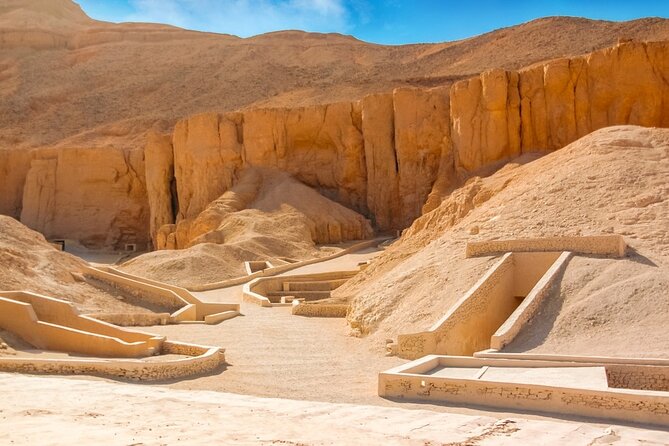
- Valley of the Kings: four tombs with time to look closely
- Tomb of Merenptah and the Ramesses III complex: where the smaller stops pay off
- Hatshepsut at Deir el Bahari: the queen’s story reads like geography
- Optional Tomb of Tutankhamun: quick add-on if you want the main star
- Karnak Temple: Hypostyle Hall, obelisks, and the Sacred Lake
- Luxor Temple and the Avenue of Sphinxes: a satisfying closing line
- Price and value: what $183 covers, and what you still pay for
- The day’s rhythm: long, early, and built for seeing a lot
- Who this tour fits best
- One last decision check: should you book it?
- FAQ
- How long is the hot air balloon and full-day Luxor tour?
- Does this tour include hotel pickup and drop-off?
- Is breakfast included?
- Is the sunrise hot air balloon ride included?
- Does the tour include a professional guide?
- Which major sights will I visit?
- Are admissions to the temples and tombs included?
- Is the Tomb of Tutankhamun included?
- Is lunch included?
- What if I need to cancel?
Key highlights worth centering your decision
- Sunrise balloon ride with a true aerial view of Luxor’s temples and fields you cannot get from the ground
- West Bank setup with a motorboat transfer before you reach the takeoff site
- Valley of the Kings focus on four royal tombs, including major works like the Tomb of Ramesses IX
- Expert guiding across East and West Bank landmarks, not just a checklist of stops
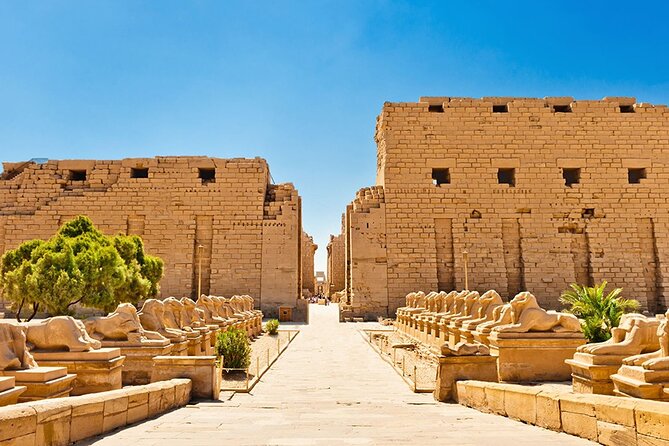
- Karnak and Luxor Temple in one day, plus the Avenue of Sphinxes for a clean connection between sites
- Optional Tutankhamun tomb add-on, if you want to spend extra time at the best-known royal burial
Sunrise in the balloon: why this view changes how you see Luxor
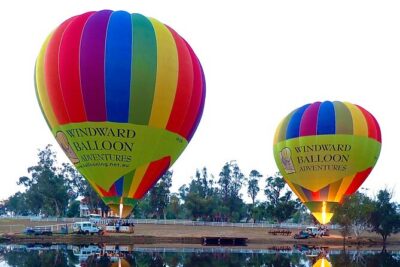
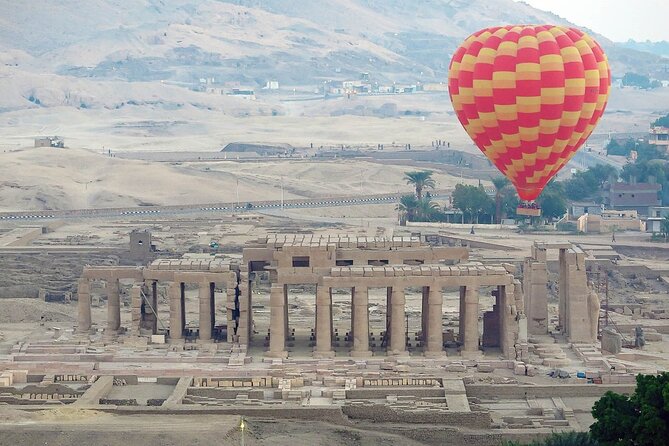
If you have ever stared at Luxor maps and thought, okay, but how do these places relate to each other, the balloon clears that up. From the air, you finally understand Luxor as an open-air museum stretched across the river bends—East Bank temples and West Bank tomb areas make more sense when you see how they line up.
The ride itself is slotted for sunrise and is built around a 45-minute flight time. Before that flight, there’s a smooth transition: you start with soft drinks, then you move by motorboat to the West Bank area where the balloon takeoff happens. That step is not just logistics—it helps you shift from city life into the calm, early-morning rhythm that balloon mornings require.
A big reason I like this format: it is not a random balloon add-on with no context. You get the sky first, and then the day fills in what those views mean on the ground.
You can also read our reviews of more tours and experiences in Luxor.



Getting to the takeoff site: the motorboat part you’ll remember
Luxor balloon days often feel confusing if you only picture the balloon basket and the sky. Here, the experience begins earlier and more deliberately. You get a short refreshment stop with soft drinks, then you board a motorboat to reach the West Bank takeoff area. From there, you get transported to the takeoff site.
That transfer matters because it sets expectations. It also helps explain why the day feels “organized but not rushed.” In one recent balloon moment, the guidance around the boat transfer stood out—one rider specifically thanked Abdo Montasr for guidance from the cruise boat to the location and back. That kind of hands-on direction is what keeps the morning calm, even when you are heading out early.
Valley of the Kings: four tombs with time to look closely
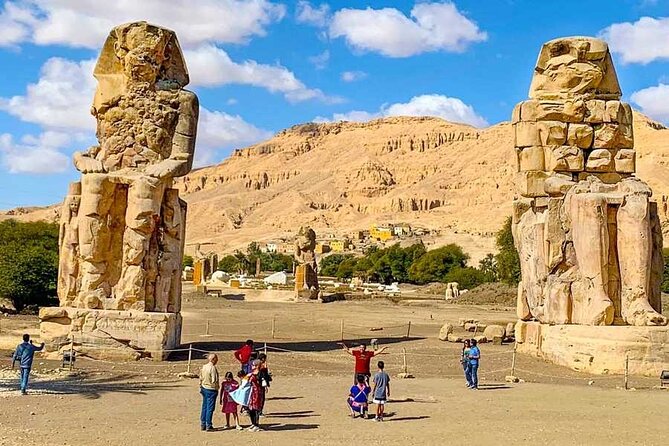
On the West Bank, the day turns from wow-to-wow-with-meaning. You start at the colossal statues of Amenhotep III for a quick orientation, then you head into the necropolis for a focused stretch.
This is where the value shows up. The time allocation isn’t just “enter and leave.” You spend about 2 hours in the Valley of the Kings area exploring four royal tombs. That includes major artwork and a large sarcophagus—among the highlights is the Tomb of Ramesses IX, noted for its detailed paintings.
Why this timing works: tombs are visual. They reward you when you can slow down and actually see details. With a guided visit, you are also more likely to understand what you are looking at—royal burials, myth themes, and the way tomb art was meant to function in an afterlife worldview. Even if your history knowledge is basic, the guide’s pacing helps you build a mental map fast.
Practical note: Valley of the Kings admission is not included in the package price. That is a key budgeting item.
Tomb of Merenptah and the Ramesses III complex: where the smaller stops pay off
After the main Valley of the Kings block, the schedule keeps moving but doesn’t turn into a blur. You visit the Tomb of Merenptah for about 30 minutes, and you also spend time in the area connected to Ramesses III, including impressive sunken reliefs.
These shorter stops are worth your attention because they change your perspective. Big-name tomb visits can make everything feel similar. A shorter, focused stop like this helps you see variation: different burial themes, different art styles, and different ways the tomb design communicates meaning.
You should also know this portion uses tomb admissions that are not included. If you want to control costs, plan for additional entry fees.
Hatshepsut at Deir el Bahari: the queen’s story reads like geography
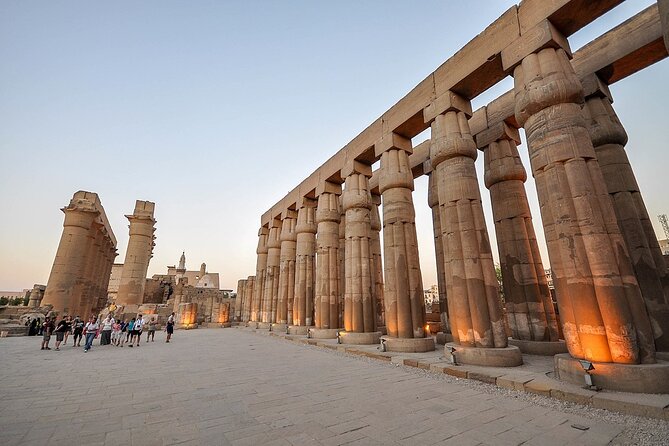
Next comes Temple of Hatshepsut at Deir el Bahari, with about 2 hours allocated. This is one of those stops where time helps, because you are not just looking at a single room or a single facade—you are taking in how the temple sits and how the structures work together.
The guiding focus here is on who Hatshepsut was and why her temple was built the way it was. One detail that stood out from the tour description: the visit includes insights into ancient trading routes. That’s useful because it frames the temple beyond “pretty ancient architecture” and into politics and power—who controlled resources, why trade mattered, and how rulers used monumental building to project authority.
If you only have one West Bank temple-style stop in your day, this is the one that often feels most rewarding because it connects history to the physical setting.





Optional Tomb of Tutankhamun: quick add-on if you want the main star
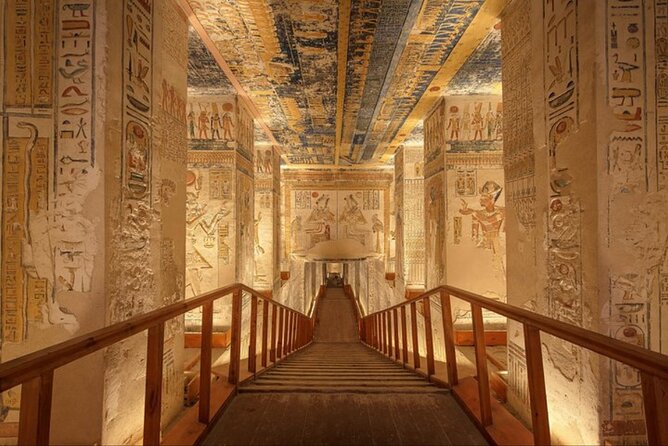
There is an optional stop for the Tomb of Tutankhamun, listed at about 30 minutes. If you are a fan of the most famous pharaoh in modern popular culture, this can be a satisfying add-on because it gives you a closer look at the treasures connected to him.
Because it is optional and not included, you should decide based on your own tolerance for crowds and tight scheduling. If you prefer fewer entry points and more time to absorb the tombs you already planned to see, you can skip it and still have a very full day.
Karnak Temple: Hypostyle Hall, obelisks, and the Sacred Lake
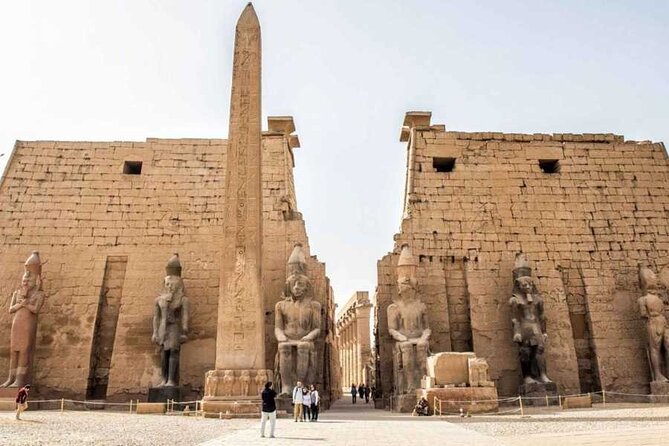
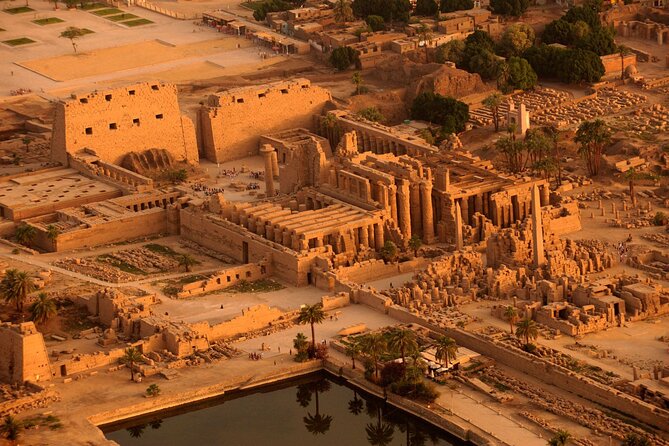
On the East Bank, the day shifts from royal tombs to temple scale. You spend about 2 hours at Karnak Temple, including the Hypostyle Hall, obelisks, and the Sacred Lake.
Karnak can feel overwhelming if you try to read it like a single monument. The tour approach helps because the guiding keeps you anchored: you focus on a few major parts that define the site’s layout and meaning. The Hypostyle Hall is a standout visual, while the obelisks give you something to track historically as symbols of power. The Sacred Lake is a nice reminder that these places were not only ceremonial spaces but also part of a larger ritual world.
Admission here is not included, so factor that into your budget if you want the full day without surprises.
Luxor Temple and the Avenue of Sphinxes: a satisfying closing line
After Karnak, you continue to Luxor Temple for about 1 hour 30 minutes. This temple is dedicated to the Theban Triad, and it includes granite statues of Ramses the Great. Even if you have seen plenty of ruins before, this stop tends to land well because it feels more “temple-to-temple” connected than the more spread-out West Bank visits.
Then the tour wraps with the Avenue of Sphinxes for about 30 minutes, a historical pathway connecting Karnak and Luxor Temples. This last stretch is a clever way to end. It turns the day’s two big East Bank stops into one continuous story, so you are not just hopping between sites—you are moving along a corridor that was designed for processions and movement.
Admission for these stops is also not included, so again: plan ahead for entry fees.
Price and value: what $183 covers, and what you still pay for
At $183 per person, this is not a bargain deal in the way street food is a bargain deal. But it does offer real value because the package includes the parts that are hardest to DIY in a smooth day:
- Hotel pickup and drop-off (you are not managing your own transfers)
- Air-conditioned vehicle and private transportation
- A professional guide who handles the day’s flow
- A sunrise hot air balloon ride with the 45-minute flight ticket included
- Lunch included
What is not included is the big one for your wallet: multiple tomb and temple admissions. In other words, your total day cost will be more than the headline price once you factor those entry fees and any optional choice like the Tomb of Tutankhamun.
If you want convenience plus sky-time, the package makes sense. If you want the cheapest possible way to hit Luxor’s highlights, you might compare alternatives because of those extra admissions.
Also note: the balloon ride tends to be booked fairly far in advance (on average around 72 days). If your dates are fixed, booking earlier is a smart move.
The day’s rhythm: long, early, and built for seeing a lot
This tour runs about 9 hours 45 minutes, and it hits both East and West Bank stops in one go. That means you should expect:
- An early start for sunrise
- A full day of walking and standing in archaeological sites
- Tight-but-reasonable time blocks so you can cover the main targets
One consistent theme from strong experiences is guide and organization quality. Clean vehicle notes and excellent driver feedback show up in the overall vibe, and that matters. Luxor roads and site schedules can eat time if transport is sloppy. Here, you get air-conditioned vehicle support plus private transportation.
Who this tour fits best
I think this day works best if you:
- Want the balloon experience plus the major Luxor sites in one day
- Like having an expert guide explain what you are seeing, not just showing up at monuments
- Prefer a structured plan with hotel pickup over piecing together taxis on your own
It may not be ideal if you:
- Want a slow travel day with fewer stops
- Get uncomfortable with early mornings and long site time
One last decision check: should you book it?
Book this if you want Luxor in two layers—sky and stone. The balloon ride is the rare “only Luxor” moment, and the rest of the day is built to connect what you saw above with the tombs and temples that made that view possible.
Before you commit, do one quick reality check:
- Can you handle a long, early day (about 9 hours 45 minutes)?
- Are you okay budgeting for extra admissions at the Valley of the Kings, Karnak, Luxor Temple, and the other tomb/temple stops?
- Do you want the optional Tomb of Tutankhamun timing?
If your answers are yes, you are set up for a memorable Luxor day—especially if you care about guidance. A good guide can turn a pile of ruins into a story you remember.
FAQ
How long is the hot air balloon and full-day Luxor tour?
It runs about 9 hours 45 minutes.
Does this tour include hotel pickup and drop-off?
Yes, hotel pickup and drop-off are included.
Is breakfast included?
Yes, breakfast is included.
Is the sunrise hot air balloon ride included?
Yes. The sunrise hot air balloon ride for 45 minutes is included.
Does the tour include a professional guide?
Yes, a professional guide is included.
Which major sights will I visit?
You’ll visit the Valley of the Kings, Tomb of Merenptah, Temple of Hatshepsut at Deir el Bahari, optional Tomb of Tutankhamun, Karnak Temple, Luxor Temple, and the Avenue of Sphinxes.
Are admissions to the temples and tombs included?
Balloon admission is included, but admissions for the tombs and temples listed are not included.
Is the Tomb of Tutankhamun included?
It is optional (listed as 30 minutes).
Is lunch included?
Yes, lunch is included.
What if I need to cancel?
Free cancellation is available up to 24 hours before the experience’s start time for a full refund.