REVIEW · MARSA ALAM
Full Day Tour from Marsa Alam to Luxor with Hot Air Balloon
Book on Viator →Operated by Nice tours · Bookable on Viator
Sunrise in a balloon over Luxor is special. I love the sunrise hot air balloon plan (it’s the sort of scene you remember for years), and I also love how the day is structured around must-see West and East Bank sites with a guide who explains what you’re looking at. One possible drawback: the experience runs roughly 20 hours and starts with a late pickup, so plan for a long night.
What makes this one feel practical is the handoff between activities: hotel pickup, air-conditioned driving, quick tea stop on arrival, scheduled free time, and then the quieter “breather” moments like the felucca ride. In the reviews, guides like Ahmed Al Sunni, Dina, and Ahmed Bahaa get praised for patient, clear English explanations, which matters when you’re trying to connect tomb walls and temple carvings to real history.
In This Review
- Key Highlights to Know Before You Go
- The Sunrise Balloon Plan: why the timing matters
- Night Pickup From Marsa Alam: the 10:00 pm start you should plan for
- Landing in Luxor: the short tea stop and the smooth handoff
- Valley of the Kings: seeing three key tombs with context
- Deir el Bahari and Hatshepsut: the three-level temple you remember
- Deir el-Medina (Valley of the Workers): the carvings that explain the people
- Colossi of Memnon and lunch: a calmer middle of the day
- Felucca ride on the Nile: why this break is more than a photo stop
- Karnak and Luxor Temple: the East Bank finale you don’t want to rush
- Karnak Temple
- Luxor Temple
- The Egyptologist impact: why guides like Ahmed Al Sunni and Ahmed Bahaa matter
- Price and Value: what $600 buys you, and what it doesn’t
- Who should book this tour (and who might not)
- Should You Book Full Day Tour From Marsa Alam to Luxor With Hot Air Balloon?
- FAQ
- FAQ
- What time does pickup start?
- How long is the tour?
- Is hotel pickup and drop-off included?
- Is the hot air balloon ride included?
- Is lunch included?
- Does the tour include a felucca ride?
- Are entrance fees included?
- What language is the guide?
- Is this a private tour?
- Can I cancel for a full refund?
Key Highlights to Know Before You Go
- Sunrise hot air balloon over Luxor archaeological sites for about 30–45 minutes
- West Bank hits: Valley of the Kings (3 important tombs), Hatshepsut at Deir el Bahari, and Deir el-Medina
- Real time with an Egyptologist: you get site context plus chances to explore on your own
- A Nile break by felucca after lunch, not just another bus stop
- Lunch and snacks included, with bottled-comfort built into the plan
The Sunrise Balloon Plan: why the timing matters
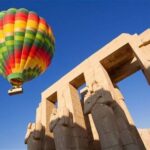
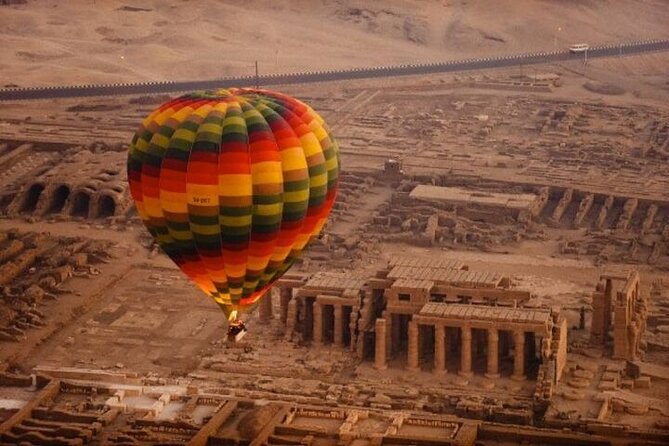
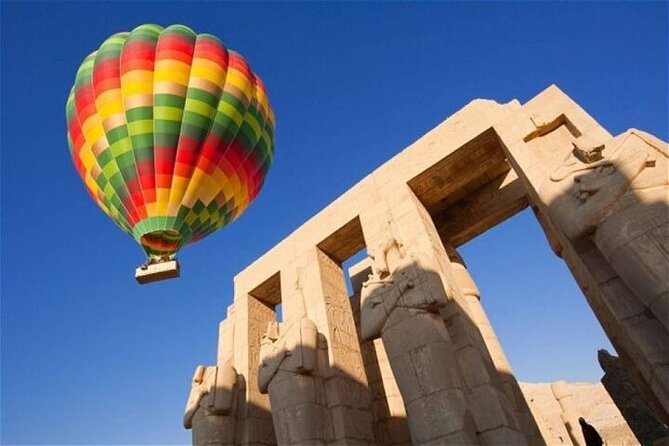
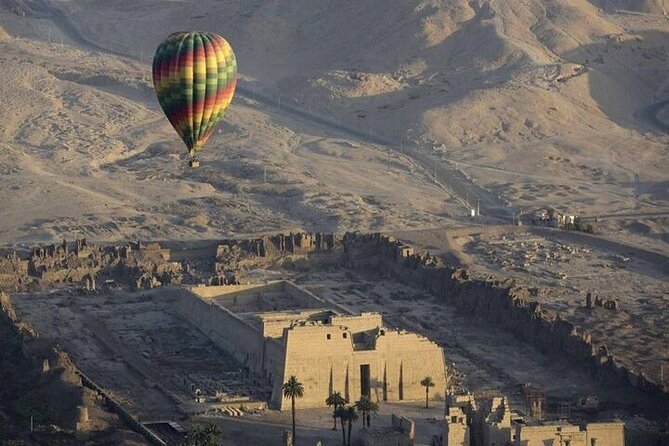
This tour is built around one big “only-in-Luxor” moment: a sunrise hot air balloon ride. Because the balloon flies before the day gets fully hot and busy, you get a cleaner view of the archaeological zone below, with the light slowly coming in. It’s also the kind of start that makes the rest of the day feel more connected. When you’ve already seen the layout from the sky, the temples and tombs on the ground make more sense.
The balloon portion is fairly short—about 30 to 45 minutes—so you’re not stuck waiting for hours at altitude. That short window also means you should come ready for an early, chilled morning vibe in Luxor. Wear layers you can manage easily, since mornings near sunrise can feel cooler than the midday sun.
Also note this: the balloon ride is listed as included, and the itinerary frames it as a ticket-free part of the day. That’s a real value point, since several temple/tomb entrance fees are not included later.
You can also read our reviews of more tours and experiences in Marsa Alam.
Night Pickup From Marsa Alam: the 10:00 pm start you should plan for
Pickup starts at 10:00 pm from your Marsa Alam hotel area, then you head to Luxor in a private, air-conditioned vehicle. In practical terms, that means you’re traveling at night, sleeping in fragments (if you can), and likely arriving in Luxor in the early morning.
This isn’t a “quick day trip” style tour. It’s more like a carefully packed overnight program with a late return. The duration is listed at roughly 20 hours, so treat it like a full commitment:
- Bring a comfy sleep setup (something to cover up with on the drive)
- Expect fatigue at the end, especially after temple walking
- Plan your next day lightly, if you can
The flip side? When you start late in the evening, you don’t lose the entire next day to travel. You still get the sunrise balloon, then a full temple and tomb circuit, and then the return to Marsa Alam.
Landing in Luxor: the short tea stop and the smooth handoff
After your drive, a representative greets you and takes you to a café to try local tea. It’s a small detail, but it helps you reset after the long drive. Instead of jumping straight into monument lines, you get a quick human moment—tea, a breath, and time to get your bearings fast.
From there, the day accelerates into sunrise time. The biggest practical benefit here is pacing. Even if the total itinerary is long, the handoffs reduce the stress of figuring things out. You’re not doing map work or navigating logistics on your own. That matters when you’re moving between the West Bank and East Bank.
Valley of the Kings: seeing three key tombs with context
Next comes the West Bank and the Valley of the Kings. This stop is focused: you’ll explore three of the most important tombs, with time to see walls covered in hieroglyphs.
This is where a strong Egyptologist guide really pays off. Reading hieroglyphs isn’t the goal for most people, but the symbolism is easier to understand when someone explains the stories, the roles, and why these tombs mattered. The itinerary also includes free time at each site, so you’re not locked into a nonstop lecture. You can look, pause, and absorb at your own pace.
A practical note: entrance fees for the Valley of the Kings are not included. So if you’re budgeting tightly, set aside money for several sites. This tour is excellent value on the “planning and guiding” side, but you’ll still want to treat monument entry fees as a separate line item.
Deir el Bahari and Hatshepsut: the three-level temple you remember
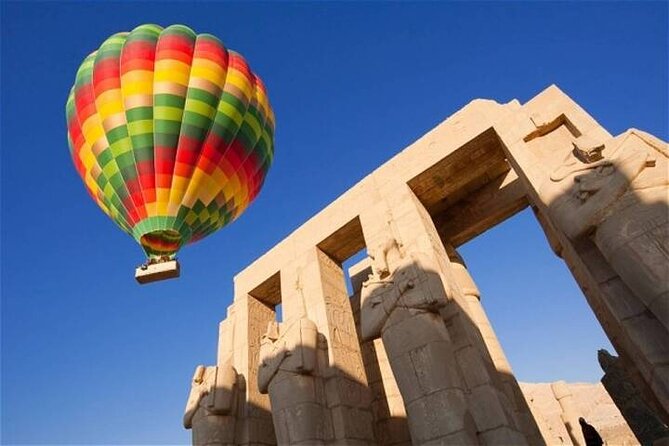
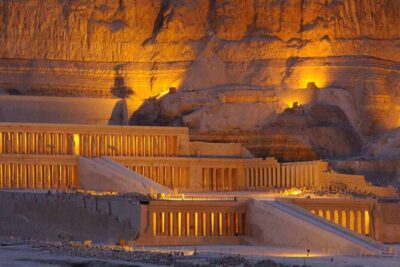
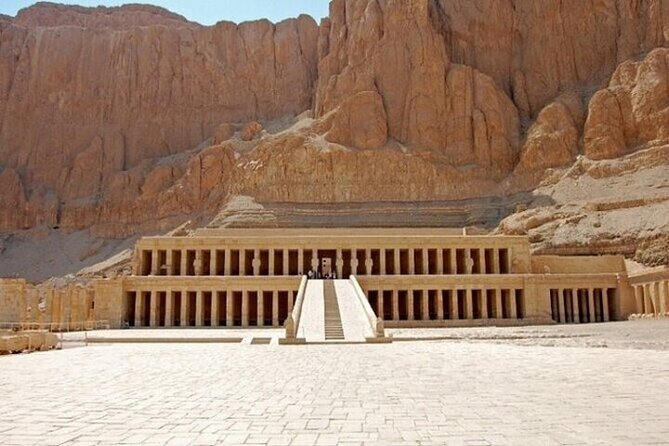
After the Valley of the Kings, you visit the Mortuary Temple of Hatshepsut at Deir el Bahari. The description here is specific: the temple complex is built as three floors, with limestone balconies and statues tied to Osiris and Queen Hatshepsut.
This is a stop that feels different from the tombs. Tomb interiors are intimate and dense with wall scenes. Hatshepsut’s temple is more open to the sky. The architecture gives you sightlines—long views over the valley—and the sense of a place designed for ritual and power display.
The time you have is about 1 hour 30 minutes. That’s a realistic window to see the key areas without turning it into a rushed photo sprint. Like the previous stop, entrance fees are not included, so again, plan for on-site monument payments.
Deir el-Medina (Valley of the Workers): the carvings that explain the people
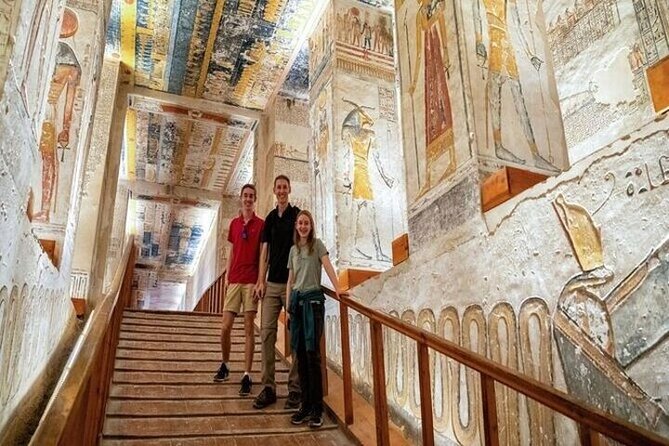
Next up is Deir el-Medina, also called the Valley of the Workers. If you care about daily life in ancient Egypt, this is one of the most rewarding stops on the route.
The itinerary highlights two important points:
- You’ll see where the royal tomb workmen once lived.
- There’s a temple connected to Hathor, and it’s noted as the only temple in Egypt where you can admire carvings of the Final Judgement.
That “Final Judgement” angle matters because it shifts the focus from kings and pharaohs to the worldview of the people working around them. You’re not just seeing monuments built for rulers—you’re seeing evidence of beliefs that shaped lives.
Time here is about 1 hour, and entrance fees are not included. On the upside, the guide format is the same: you get explanations first, then you get free time to explore and look at carvings without constantly rushing to keep up.
Colossi of Memnon and lunch: a calmer middle of the day
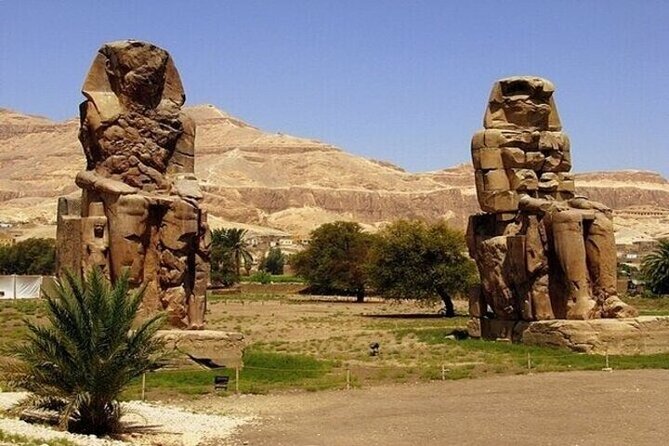
After Deir el-Medina, you’ll go to the Colossi of Memnon, described as a mortuary temple associated with Amenhotep III.
Then it’s lunch at a local restaurant. Lunch is included, and the tour also provides snacks, which is a small thing that becomes huge when you’ve been awake for most of the night and then walking through multiple sites.
This part of the day can feel like a breather. You’ve done several high-intensity stops on the West Bank. Colossi is big and iconic, but it’s not the same kind of interior-scene experience as the tombs. Lunch helps you reset for what comes next on the Nile and East Bank.
Entrance fees at Colossi are not included, so keep that in mind when you’re preparing your budget.
Felucca ride on the Nile: why this break is more than a photo stop
After lunch, you get a felucca ride for about 30 minutes. This is one of the best “tone changes” in the itinerary. You go from stone history and walking to open air on the water.
Is it possible to take great photos from a felucca? Yes. But the real value is mental. After hours in heat and crowds (even with a private setup), the Nile breeze gives your brain a minute to catch up. It also gives you an intuitive sense of the geography: Luxor’s monuments are clustered around the river corridor, and a short sail helps you feel that connection instead of only seeing it on a map.
The felucca ride is included, and that’s nice, because it’s one less “pay extra” item to add at the end.
Karnak and Luxor Temple: the East Bank finale you don’t want to rush
Once you’re refreshed enough to continue, you move back to the east bank with two classic stops:
Karnak Temple
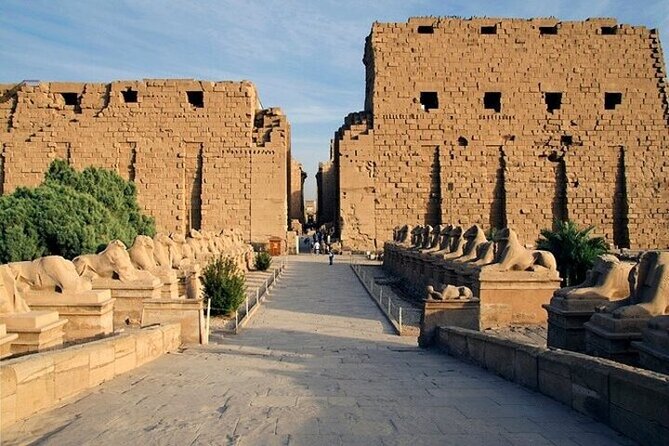
You’ll spend about 2 hours at Karnak Temple, described as dedicated to Amun, his wife Mut, and their son Khonsu. Karnak is huge and can feel overwhelming if you don’t have context. The guide component helps a lot here, especially if they explain which areas matter and how the complex evolved.
Entrance fees here are not included, so remember the budget.
Luxor Temple
After Karnak, it’s about 1 hour at Luxor Temple. The description is clear: it was built by Amenhotep III in the 18th Dynasty, then completed by Ramses II. This is another place where time and explanation matter. Without context, it’s easy to walk through and only register stone blocks. With the right guidance, you start seeing the layers of who built what and why.
As with the rest of the temples, entrance fees are not included.
The Egyptologist impact: why guides like Ahmed Al Sunni and Ahmed Bahaa matter
You’re not buying this tour just for bus rides between monuments. You’re buying the ability to understand what you’re looking at. The tour includes a professional private Egyptologist English-speaking guide, and that shows up in the feedback.
In the reviews, Ahmed Al Sunni and Dina are praised for explanations and friendly, good English. Other reviews spotlight Ahmed Bahaa as especially helpful, patient, and fluent—meaning you’re not stuck with gaps in translation when the story gets detailed.
Here’s the practical takeaway for you: pick a guide style that matches how you like to learn. If you like clear, structured explanations and time to ask questions, this Egyptologist format is ideal. If you’re more of a “wander and read on my own” type, you’ll still have free time at each site, but you may want to ask a few questions early so you’re not walking through everything with blank context.
Price and Value: what $600 buys you, and what it doesn’t
The price is $600 per person for a roughly 20-hour experience that includes:
- Hotel pickup and drop-off in Marsa Alam
- Air-conditioned vehicle and local driving logistics
- A private English-speaking Egyptologist guide
- Felucca ride
- Lunch plus snacks
- All taxes
What’s not included is all entrance fees. In this itinerary, that typically means you should budget extra for the major temple/tomb sites where tickets aren’t marked as included.
So is it good value? For many people, yes—because you’re paying for the whole structure: overnight transport, guide expertise at multiple sites, and included “experience” elements like the balloon and felucca. The only part you must manage separately is admission.
If you’re traveling as a pair or small group, the tour also mentions group discounts. That can improve value if the price drops through your group arrangement.
Who should book this tour (and who might not)
This tour is a strong fit if you want a one-time Luxor day built around headline experiences: sunrise balloon, major tombs, top temples, plus a Nile sail. It’s also a good option if you prefer a guide to handle navigation and interpretive context so you spend your energy looking rather than figuring.
It might be less ideal if:
- You hate long wake times and prefer a lighter schedule. The 10:00 pm start means you’re basically on the clock overnight.
- You don’t want to manage additional on-site entrance fees. They’re not included.
The “Most travelers can participate” note suggests it’s broadly approachable, but the walking and early timing are still real factors.
Should You Book Full Day Tour From Marsa Alam to Luxor With Hot Air Balloon?
If you want the Luxor skyline from above and you want the day arranged so you hit both the West Bank and East Bank with an Egyptologist explaining what matters, I’d say yes, book it—especially if sunrise balloon is your top priority. The included lunch, snacks, air-conditioned transport, and the felucca ride turn what could be a stressful monument sprint into a more human-paced program.
If entrance fees stress you out, or if you know you’re not a fan of extremely long days starting late at night, consider whether you’d rather do Luxor in smaller chunks.
FAQ
FAQ
What time does pickup start?
Pickup starts at 10:00 pm from Marsa Alam.
How long is the tour?
The tour duration is approximately 20 hours.
Is hotel pickup and drop-off included?
Yes. Hotel pickup and drop-off in Marsa Alam are included.
Is the hot air balloon ride included?
Yes. The sunrise hot air balloon ride is included and runs about 30 to 45 minutes.
Is lunch included?
Yes. Lunch is included, and snacks are also provided.
Does the tour include a felucca ride?
Yes. You’ll enjoy a felucca ride for about 30 minutes, and it’s included.
Are entrance fees included?
No. All entrance fees are not included.
What language is the guide?
The tour includes a professional private Egyptologist with English-speaking guidance.
Is this a private tour?
Yes. It’s private, and only your group participates.
Can I cancel for a full refund?
You can cancel for a full refund up to 24 hours before the experience’s start time. If you cancel less than 24 hours before, the amount paid is not refunded.