REVIEW · LUXOR
Explore Luxor in 2 days by plane from Cairo with tours,balloon, felucca & Lunch.
Book on Viator →Operated by Oxen of Egypt Tours · Bookable on Viator
Two days in Luxor, before you run out of steam. This plan is built around the big moments, starting with a smooth flight from Cairo and a balloon sunrise over the West Bank monuments, then rolling right into temple time. I especially like the human touch: guides such as Samar bring clear English and a warm, funny presence, which matters when you are up early and moving fast.
The strongest part for you is value through structure: you get a 4-star hotel night plus a guided hit-list (Karnak, Luxor Temple, Valley of the Kings, Deir el-Bahari) and even a felucca ride with lunch on board. One thing to watch: entrance tickets are not included, and the total can run around $150–$200 per person, so your final spend will be higher than the package price.
In This Review
- Key things to know before you go
- Flying Cairo to Luxor: how this plan saves your time
- Karnak Temple and Luxor Temple: two monuments that explain each other
- Lunch, a 4-star base, and how to rest between big days
- Valley of the Kings at sunrise: balloon first, tombs next
- Deir el-Bahari and Hatshepsut: terraces, color, and architect details
- Felucca ride plus lunch: slowing down on the Nile
- Price and value: what $625 really covers in 2 days
- Who should book this Luxor plan
- Should you book this 2-day Luxor package?
- FAQ
- What time does the tour start?
- Does the package include flights from Cairo to Luxor and back?
- Is there a hotel included?
- Are entrance fees included in the price?
- What is included with the balloon ride?
- Is lunch included?
- Is the tour private?
Key things to know before you go
- Cairo to Luxor by plane (about 1 hour), so you spend time seeing sites instead of riding buses all day
- Sunrise balloon ride timed for views over the West Bank monuments
- Karnak + Luxor Temple on the same theme: New Kingdom power, statues, and temple geometry
- Valley of the Kings first, then Deir el-Bahari: tombs and memorial architecture in one packed flow
- Felucca ride with lunch so you get a calmer, Nile-paced moment after the stairs and stone halls
- A real guide experience: Samar stands out in the feedback for friendliness and strong communication
Flying Cairo to Luxor: how this plan saves your time
If you have only two days, time is the real budget. This itinerary avoids the long overland transfer by using round-trip flights between Cairo and Luxor, which means you arrive ready for sightseeing instead of arriving and then trying to play catch-up.
The day starts early. The tour’s start time is 6:00 am, and Day 2 is even more morning-heavy because the balloon is aimed at sunrise. That early start can feel like a lot—then again, Luxor’s best light and best views happen before most people are fully awake.
On the ground, you are not left guessing. After you land, a representative waits outside the airport hall with a sign that includes the company logo. That kind of welcome matters in Egypt, because it cuts the awkward time of figuring out where to go and who to follow. Once you’re in the flow, the day is paced so you can see major sights without losing the thread.
One more practical point: flights are listed as non-refundable. So if your dates are even slightly flexible, it’s worth double-checking your schedule before you lock anything in.
You can also read our reviews of more tours and experiences in Luxor.



Karnak Temple and Luxor Temple: two monuments that explain each other
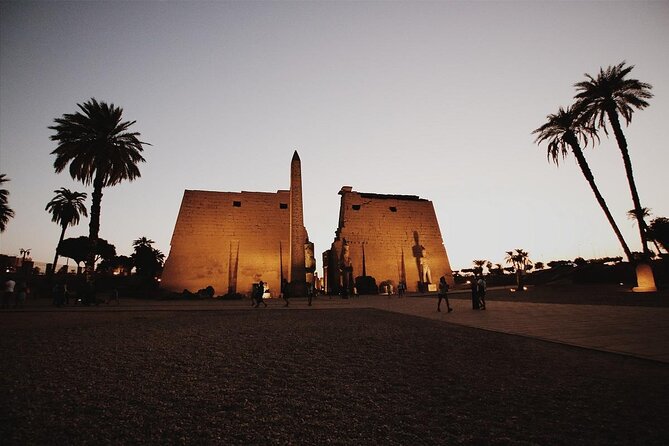
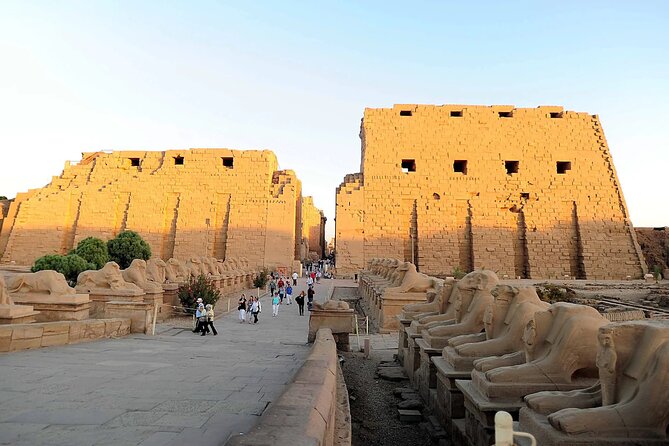
Day 1 builds around the most important temple duo in Luxor, and the sequencing is smart. You start at Karnak Temple, described as the second largest temple in the world and the largest religious structure ever built. It’s hard to grasp scale until you’re walking between massive columns and shrines that were tied to the idea of the divine home on earth.
Karnak is also where the story of Egyptian kings feels physical. The New Kingdom period shapes a lot of what you see here, and that matters because it helps you connect why the temple looks the way it does: it’s not just a building, it’s a statement of power, belief, and time spent building for future generations.
Then you move to Luxor Temple, the southern shrine that connects back to Karnak. One of the best details in this itinerary is the Avenue of Sphinxes linking the two temples over 2.5 km, lined with more than 1000 statues. When you learn that this avenue once acted as a kind of ceremonial walkway, it clicks: these aren’t two random stops. They’re two parts of one grand system, running through the heart of the city.
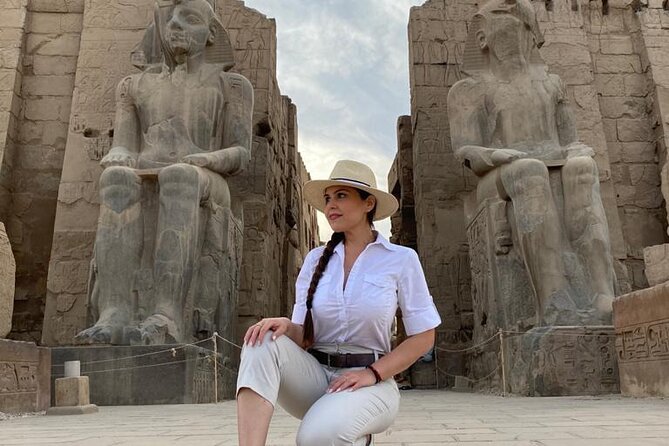
At Luxor Temple, you’ll see major royal references—like massive statues connected to Ramses II—and beautiful columns that help you visualize how ceremonies would have moved through the space. The fact that Luxor Temple sits in the middle of town makes it feel different from Karnak: you get the temple atmosphere, but you also feel how central it is to modern Luxor’s daily life.
A small reality check: temple visits mean walking. Expect stairs, uneven surfaces, and long hallway stretches. Wear shoes you trust and plan on a bit of sun time, even when the schedule starts out early.
Lunch, a 4-star base, and how to rest between big days
After Day 1’s temple run, the itinerary includes lunch at a local restaurant and then checking into a hotel for your overnight stay. You get 1 night in a 4-star hotel in Luxor (B&B) plus bottled water daily on the tours.
Why does that matter? Because the next day includes a balloon ride and a long West Bank circuit. If your hotel is too far or too basic, you lose recovery time and you start sightseeing on low battery.
This plan keeps the base practical and straightforward: one night, a comfortable recovery window, and you wake up ready for the big sunrise moment. In other words, you’re not sightseeing for two days and sleeping like a zombie because your accommodations were a hassle.
Valley of the Kings at sunrise: balloon first, tombs next
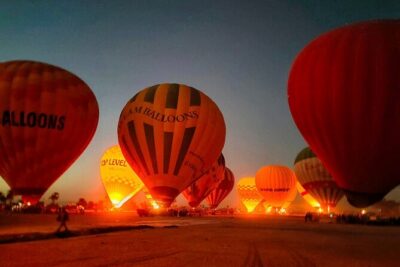
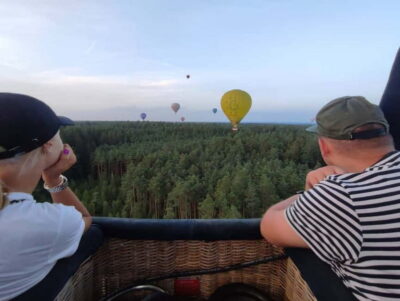
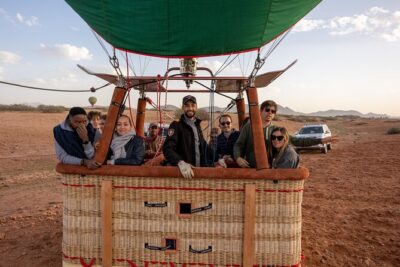
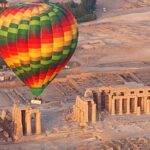
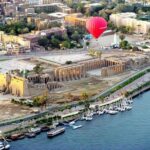
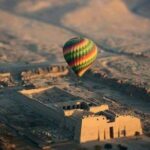
Day 2 starts with a balloon ride designed for sunrise over the West Bank monuments. Even if you don’t usually do balloons, this is one of those Luxor moments that feels hard to recreate later. From the sky, the West Bank looks like a history map: cliffs, tomb valleys, and the general shape of the ancient burial landscape all make sense at once.
If bad weather cancels the balloon, the policy you’re given is a $30 refund per person, which is a helpful safety net. Balloon timing can’t be controlled, so it’s smart that the experience is built with a contingency rather than treating it like a guaranteed yes-no item.
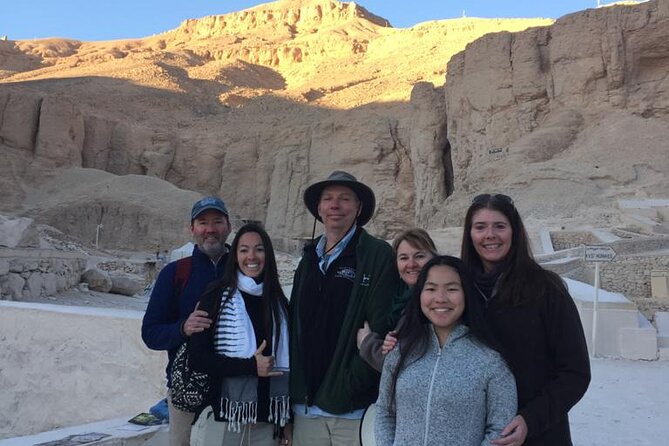
After the balloon, you go back to the hotel for breakfast, then the main West Bank tour begins. You’re picked up to visit the Valley of the Kings, a burial place used for about 500 years by New Kingdom rulers, with more than 62 tombs carved into the cliffs.
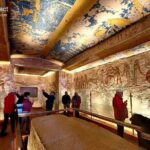
This is where your guide’s job becomes important. Tombs are decorated in ways that can feel repetitive if you’re just walking through quickly. With the right context, you start noticing patterns—how rooms are arranged, how painted areas are preserved, and why certain tombs became especially famous. The itinerary notes highlights like the tombs with beautiful painted and decorated interiors, including the kind of fame associated with Tutankhamun’s tomb.
A practical note for your comfort: you’ll likely walk in sun and shade and move in and out of tomb areas where the lighting changes fast. Bring something light you can layer, and don’t plan to race through everything. Slower viewing is how you catch the details that make these tombs feel alive rather than like museum boxes.
Deir el-Bahari and Hatshepsut: terraces, color, and architect details
After Valley of the Kings, you shift from the tomb cliffs to a different kind of temple spectacle: Deir el-Bahari and the Temple of Hatshepsut.
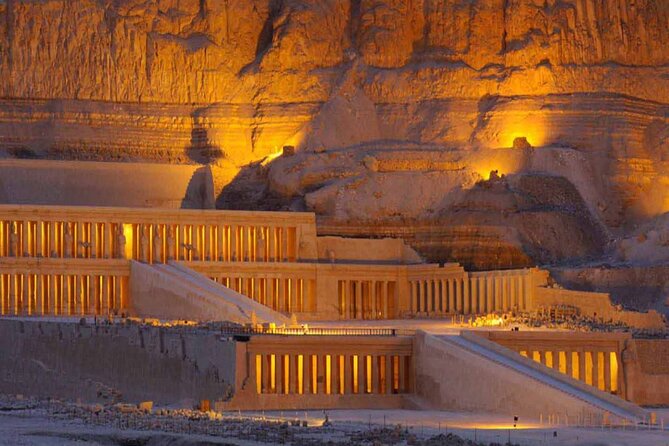
This temple is described as a memorial temple built by the architect Sinnenmut in the 15th century BC (dated here as 1479 BC). It’s also noted that it was discovered in 1860 under blowing sand. That discovery detail isn’t trivia—it explains why this site can feel so visually striking when you first see it. There’s a sense of a place being uncovered and re-entering the world.
What I like about this stop is the setup. You’re not just seeing columns; you’re seeing a whole composition. Hatshepsut’s temple sits with terraces and a strong view profile over the area, so the architecture reads like it was designed to be seen. Even on days when heat is high, the temple’s colors and structure help you keep your sense of orientation.
On the way, you stop at the Colossi of Memnon. These are massive statues that were originally linked to Amenhotep III. For photos, this is one of the easiest wins in the itinerary because you get a strong contrast: stone figures against the mountain and the remaining village view behind the temple area. It’s a break from the dense-feeling tomb and temple interiors, and it helps reset your eyes before the Nile time later.



Felucca ride plus lunch: slowing down on the Nile
At the end of the day’s sightseeing loop, the tour includes a felucca ride with lunch. This is one of the best “balance” moves in the entire plan.
After tombs and temples, you need a different rhythm. A Nile boat ride turns your brain from scanning details to simply looking out. You get the calm of water movement, open sky angles, and the kind of downtime that makes the earlier intensity feel worth it.
Also, the way lunch is included makes this smoother. You aren’t hunting for food in the middle of transit. Instead, you settle into the boat experience, eat, and then get ready for the final drop-off at Luxor airport.
If you’re sensitive to heat or long walks, the boat time can be a welcome relief. If you hate sitting still, you’ll still find it worthwhile because the views are always changing as the boat shifts position.
Price and value: what $625 really covers in 2 days
Let’s talk money without magic. The price is $625 per person and includes major pieces that are expensive and time-consuming to manage on your own: round-trip flights, 1 night in a 4-star hotel, a balloon ride (with a weather cancellation refund detail), and 2 lunches. Bottled water daily is also included.
What’s not included is also clearly stated: entrance fees for the sites, estimated around $150–$200 per person. In other words, the package price gets you the structure and transport; the site entries are your add-on.
Is that a deal? For two days, it often is, because flights plus guided timing plus hotel plus balloon is a lot to coordinate. The key question for you is not only price, but risk tolerance. Balloon weather is a real factor anywhere in the world. Here, you’re told what happens if it’s canceled due to bad weather, and you still get a path forward.
Another part of the value equation is guide support. The plan is described as a private tour activity with only your group participating. That reduces the sense of being shuffled like a number, especially when you’re trying to line up tickets and keep your day moving.
Where you might feel the extra cost is if you’re the type who wants to add extra tombs or extra sites. The itinerary notes extra tombs or sites not listed are not included. So if you want an all-you-can-see plan, be ready to pay more on top.
Who should book this Luxor plan
This tour makes the most sense if you:
- Want Luxor fast, with a flight from Cairo and a tight two-day structure
- Like sunrise experiences and want a balloon ride timed for views
- Prefer a guided flow that links Karnak to Luxor Temple and then moves into the West Bank circuit
- Appreciate a mix of major monuments and a Nile break via felucca
It may not be ideal if you:
- Don’t want to manage additional spending for entrance tickets
- Prefer slower travel with more free time each day (this schedule is packed)
- Are very sensitive to early starts, since Day 2 is early by design
Should you book this 2-day Luxor package?
I think this is a strong choice if your priority is seeing the headline Luxor sights in a short window without the logistics headache. The combination of flights, a 4-star night, balloon sunrise, Karnak and Luxor Temple, Valley of the Kings, Hatshepsut at Deir el-Bahari, and a felucca ride with lunch is exactly the kind of well-built route that helps you leave Luxor with photos and memories that actually match the time you invested.
Book it if you can handle early mornings and you’re okay budgeting separately for entrance fees (roughly $150–$200 per person). Skip or change course if you want a more flexible pace or if you’re trying to keep total spend very close to the $625 number.
Either way, this is the sort of itinerary that rewards going with a guide who can keep the day moving and explain what you’re seeing in plain terms—something highlighted by the feedback around Samar’s friendly, clear style.
FAQ
What time does the tour start?
The experience lists a start time of 6:00 am.
Does the package include flights from Cairo to Luxor and back?
Yes. It includes round-trip plane tickets Cairo/Luxor and Luxor/Cairo (and the tickets are non-refundable).
Is there a hotel included?
Yes. You get 1 night at a 4-star hotel in Luxor with breakfast included (B&B).
Are entrance fees included in the price?
No. Entrance fees for the mentioned sites are not included, and you are expected to buy site tickets near each location. The estimate given is around $150–$200 per person.
What is included with the balloon ride?
The balloon ride is included and is timed for sunrise views over the West Bank monuments. If it’s canceled due to bad weather, you get a $30 refund per person.
Is lunch included?
Yes. Lunch is included twice during the experience, and one of the lunches is with the felucca ride.
Is the tour private?
Yes. The experience is described as private, with only your group participating.