REVIEW · ISTANBUL
7 Day Istanbul-Cappadocia-Ephesus-Pamukkale Tour (Balloon Ride)
Book on Viator →Operated by Turkey Private Tours · Bookable on Viator
Turkey rewards fast. In a single week you can pace from Byzantine domes to cave hotels, ancient ruins, and the white terraces of Pamukkale. What I like most is the smooth multi-city planning (domestic flights plus transfers) and the hands-on guiding that ties the sites together without you having to map everything yourself. One thing to consider: the hot-air balloon ride is optional, weather-dependent, and not included in the base price.
This is the kind of trip where I’d rather spend my energy looking at details than managing logistics. You get a structured day-by-day flow, with admissions and several meals handled, plus flexible pickup/route adjustments around flight schedules. Still, because this is a travel-heavy week, you’ll want to be comfortable moving early and sometimes changing plans if flight timing shifts.
In This Review
- Key highlights that make this tour work
- How the 7-day route balances big sights with real breathing room
- Istanbul day: a classic highlights walk with built-in context
- Sultanahmet Square and the hippodrome area
- Hagia Sophia Grand Mosque and the Blue Mosque
- Topkapi Palace and Basilica Cistern
- Grand Bazaar and the Bosphorus
- Cappadocia: cave life, valleys, and the balloon decision
- Underground comfort: Kaymakli Underground City
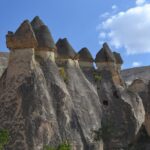
- Uchisar, Love Valley, Red Valley, Çavuşin
- Göreme Open-Air Museum and Pasabag
- Avanos and hands-on crafts
- Ephesus and Virgin Mary’s House: the day with big emotional weight
- Ephesus: library, theater, and the port city story
- Meryemana (Virgin Mary’s House)
- Temple of Artemis
- Harbour Gymnasium area
- Pamukkale thermal terraces and museum time: one day, two moods
- Hierapolis Arkeoloji Muzesi
- Pamukkale Thermal Pools (Cotton Castle)
- Cleopatra Pools
- Back to Istanbul by flight
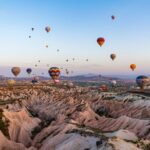
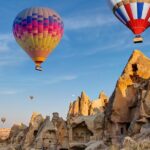
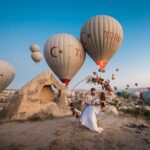
- The optional balloon ride: worth it, but plan for weather reality
- Price and value: what $1,750 buys you (and what it doesn’t)
- Who this tour fits best
- Should you book this 7-day Istanbul–Cappadocia–Ephesus–Pamukkale tour?
- FAQ
- Is the hot-air balloon ride included in the tour price?
- Are domestic flights between cities included?
- What’s included for meals?
- Do you include museum or attraction tickets?
- Is pickup available in Istanbul?
- Do I go as a private group or a small group?
- What happens if the balloon is canceled due to weather?
- How late can the tour extend for airport transfers?
Key highlights that make this tour work
- Private/Small-group guiding (max 15) keeps each day focused, not chaotic
- Domestic flights + transfers reduce long bus days between regions
- Cappadocia cave hotel night adds texture beyond the daytime sights
- Ephesus and Pamukkale admissions are built in for key stops
- Hot-air balloon ride optional with clear weather rules and refund if canceled
How the 7-day route balances big sights with real breathing room
This tour stitches together four of Turkey’s most iconic chapters: Istanbul, Cappadocia, Ephesus, and Pamukkale. The value isn’t just that you’ll see famous places. It’s that you’re not doing the exhausting part—figuring out the connections—on your own.
You’ll move via a mix of hotel pickups, minivan/minibus transfers, and domestic economy flights between cities. That matters because Turkey is big. If you try to cram this on your own with only surface-level planning, you can lose whole hours (and sanity) to route changes, ticket lines, and airport timing.
The itinerary also has a thoughtful rhythm: morning starts in the big-sight areas, afternoon variety in the next region, and a natural “settle down” moment when you reach Cappadocia and spend the night in a cave hotel.
For most travelers, the logistics feel like a net. The main consideration is your expectations for pace. This is not a slow “wander at will” vacation. It’s a well-run week of seeing a lot—so you’ll get more out of it if you like a clear plan with room for your own choices on the edges (coffee, short photo breaks, and extra time for the site you love most).
You can also read our reviews of more tours and experiences in Istanbul.
Istanbul day: a classic highlights walk with built-in context
Your first full sightseeing day is built around Istanbul’s historic core. It reads like a greatest-hits reel, but the stops are spaced so you’re not just staring at buildings—you’re also getting the story of how the city changed hands and what that looks like in stone.
Sultanahmet Square and the hippodrome area
You’ll start at Sultanahmet Square, tied to the Byzantine-era hippodrome and the Roman/Byzantine entertainment-and-event world. The plan includes the Mysterious Serpentine Column, the Egyptian Obelisk, and the German Fountain of Wilhelm II. Even if you’ve seen photos before, this area helps you understand the layering of Istanbul—how older monuments get reused as the city evolves.
Tip: bring water and plan for a bit of standing. This is a “look around” start that sets you up for the next big domes and palaces.
Hagia Sophia Grand Mosque and the Blue Mosque
Next comes two major religious landmarks: Hagia Sophia Grand Mosque and the Blue Mosque. Hagia Sophia is included as a stop, with admission not included for that portion. The plan explains the shift from a Byzantine “holy wisdom” church to an Ottoman mosque, with museum use lasting for decades—then back to mosque use. That timeline matters because it affects what you notice inside and outside.
Then the Blue Mosque follows, famous for its six minaretes and Iznik tiles. Admission is listed as free for this stop, which is a big deal for value.
One caution: these sites can be busy, and timing affects what you get (quiet corners versus peak crowd pressure). Going with a guided day helps because you’re moving in a flow rather than waiting to decide where to stand and what matters most.
Topkapi Palace and Basilica Cistern
You’ll also visit Topkapi Palace (admission not included) and Basilica Cistern (admission not included). This is where your eyes shift from outdoor monuments to the city’s older “systems”: administration, water, and daily life support. The Basilica Cistern’s purpose as a water storage structure is the kind of detail that makes the whole city feel more practical—and less like only postcard views.
If you only have limited stamina, this is the day to be selective with deep exploration inside palaces and cistern spaces. The itinerary gives you time blocks, but you should still follow your energy.


Grand Bazaar and the Bosphorus
Finally, the day wraps with Grand Bazaar and a Bosphorus Strait segment. The bazaar stop includes time for browsing Turkish goods—carpets, jewelry, antiques, silk, and spices—while the Bosphorus part is about the waterway itself and its landmarks and bridges.
Grand Bazaar can be fun, but it’s also a place where you’ll move at shopping speed. If you’re not there for shopping, treat it like a cultural stop: look first, decide later.
Cappadocia: cave life, valleys, and the balloon decision
After your Istanbul day, you fly to Cappadocia in the morning, then continue with a South Cappadocia tour. You end the tour with an overnight in a cave hotel, which is one of those upgrades that changes how you feel about the region. It’s one thing to see rock-cut homes. It’s another to sleep inside them.
Underground comfort: Kaymakli Underground City
The tour includes Kaymakli Underground City. It’s carved into soft volcanic rock and used as refuge by early Christians. What makes it compelling is scale and function: tunnels, quarters, storage rooms, even ventilation shafts. The plan also notes it was built during the Hittite period and expanded over time, meaning the site is more than a single-era story.
Practical note: underground spaces can feel cooler and dim. If you use a phone for photos, expect lower-light shots and slower walking.
Uchisar, Love Valley, Red Valley, Çavuşin
Then you move through multiple signature Cappadocia viewpoints and villages:
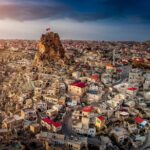
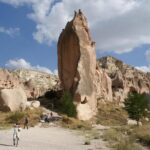
- Uchisar Castle: carved rock fortress and panoramic views of fairy chimneys and valleys.
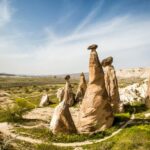
- Love Valley: famous for distinctive volcanic rock formations.
- Red Valley: red and pink tones plus rock-cut churches and cave dwellings.
- Çavuşin Village: rock-cut dwellings and churches, including the Church of St. John the Baptist mention.
These stops work together because each one highlights a different Cappadocia “language.” Some are pure geology. Some are community history. Some are best for views and photos. If you’re serious about photos, Red Valley and Uchisar are the ones I’d prioritize on your own schedule too.
Göreme Open-Air Museum and Pasabag
The next day features Göreme Open-Air Museum, a UNESCO site with Byzantine rock-cut churches and frescoes. This is admission included, which helps you feel the value instantly. Then you head to Pasabag (Monks Valley) for fairy chimneys—some with multiple caps. That combo gives you both religious art and the signature Cappadocia formations.
After that, there’s Göreme Panorama (great for broad views) and Devrent Valley, also called Imagination Valley, known for animal-shaped rock formations. The plan says Devrent Valley is purely natural, which is nice if you want a break from churches and carved interiors.
Avanos and hands-on crafts
The tour also gives you time in Avanos, famous for pottery-making. There’s a chance to try a pottery demonstration, plus mentions of Turkish carpet weaving and hand-made onyx making. This is the part where the trip becomes less about monuments and more about how people used to earn a living—and still do.
If you like buying small, locally made items rather than big-ticket shopping, Avanos is a sensible stop.
Ephesus and Virgin Mary’s House: the day with big emotional weight
Ephesus is one of those sites where it doesn’t matter how many photos you’ve seen. You still feel it when you walk through the scale.
Ephesus: library, theater, and the port city story
The itinerary includes the Ancient City of Ephesus with admission included. You’ll see the Library of Celsus, the Temple of Hadrian, the Amphitheater, and other areas.
What I like about the way this is framed is the port-city angle. Ephesus wasn’t isolated. It was connected to trade, movement, and different civilizations. That helps the ruins feel alive instead of just “old stones.”
Meryemana (Virgin Mary’s House)
Next is Meryemana (Virgin Mary’s House). Admission is not included, and you get time to see the site on Bulbul Mountain, described as about 9 km from Selçuk. The plan also references the tradition of Saint John bringing Mary there after Jesus’ death. Even if you’re not focused on religious history, the setting and the visitor experience make it a quieter contrast to the louder Ephesus ruins.
Temple of Artemis
You also stop at the Temple of Artemis, one of the Seven Wonders of the World, with admission listed as free in the plan.
Small caution: with the Temple of Artemis, you’ll see remnants rather than a fully intact structure. That’s normal. I’d still go because it anchors the grand scale of the region’s ancient world.
Harbour Gymnasium area
The day rounds out with the Harbour Gymnasium, described as ancient harbor space and a hamam area linked to plans to make it functional again. It’s the kind of stop that helps you understand daily life in an ancient city: water, baths, and civic spaces.
Pamukkale thermal terraces and museum time: one day, two moods
Pamukkale gives you two very different ways to experience the same region: museum and thermal pools.
Hierapolis Arkeoloji Muzesi
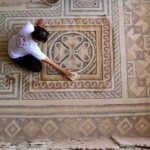
You start at Hierapolis Arkeoloji Muzesi (admission included). Hierapolis is described as Greek, later converted to a museum, with thermal-spring visitation mentioned since ancient Greek times. UNESCO is listed for 1988. This works well before you hit the pools, because it gives the “why” behind the place: people came for health and ritual, not just because it looks odd.
Pamukkale Thermal Pools (Cotton Castle)
Then you arrive at Pamukkale Thermal Pools, admission included. The tour explains Pamukkale as Cotton Castle, from the appearance of the terraces. It also points out carbonate minerals left by flowing thermal spring water and healing-skin associations.
This is the moment where the color and texture do most of the talking. You’ll likely spend time walking sections of the terraces and trying to time your photos around light.
Cleopatra Pools
Next is the Cleopatra Pools, fed by the same hot springs water. Admission is listed as not included, and the plan notes it as a pool built for Cleopatra. The attraction here is simple: it’s the chance to add movement and water-side time.
Practical note: you’ll want sandals or water-friendly footwear. The plan doesn’t specify gear, so you’ll have to decide for yourself based on what you’re comfortable standing on.
Back to Istanbul by flight
At the end of the Pamukkale day, you fly from Denizli Airport to Istanbul, then transfer you to your hotel at either Sabiha Gökçen (SAW) or Istanbul Airport (IST), depending on your arrival.
This is a smart pacing choice. Instead of squeezing more road travel, you get back to Istanbul efficiently.
The optional balloon ride: worth it, but plan for weather reality
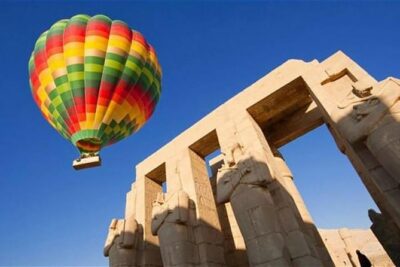
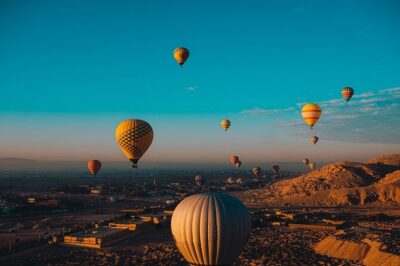
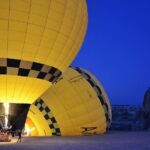
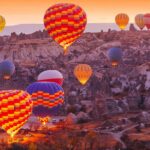
This tour’s hot-air balloon is clearly listed as optional and not included in the package price (for all options). If you want the balloon, you need to secure balloon tickets separately through the booking process using the special requests section.
The good news: if the balloon reservation you booked with them is canceled due to weather, you receive a full refund.
The real-world consideration: flights require optimum weather conditions, and the Civil Aviation Authority can cancel flights at any time. The tour also emphasizes that you can’t object to flight-safety decisions.
So how do you make this work? Think of the balloon as a bonus. Build your week expecting that it might happen, but don’t structure your whole trip around it as the single “only goal.” That mindset keeps the day from feeling stressful if winds or cloud cover don’t cooperate.
Also, since the balloon is optional, you’re in control of whether you want it as an anchor activity or a nice-to-have.
Price and value: what $1,750 buys you (and what it doesn’t)
At $1,750 per person for a 7-day route, the value is in how the trip removes decision fatigue.
What you get that tends to cost you extra if you DIY:
- Domestic flights between regions
- Hotel-to-site transfers (minivan/minibus)
- A guided structure across the major stops
- Several admissions and meals included (breakfast 5, lunch 4)
- Entrance fees that are marked as included in the plan
What you should mentally budget for:
- Balloon ride (optional, separate cost that varies by season and demand)
- Some entries are not included, such as Hagia Sophia, Topkapi Palace, and Basilica Cistern, plus Cleopatra Pools
- Lunch beverages and personal spending
This is not a “cheap and cheerful” itinerary, but it’s also not purely a luxury-only experience. It’s positioned as a time-saver with key admissions bundled, which is often what you want if you only have one week and you don’t want to spend your vacation on logistics.
Who this tour fits best
This tour works especially well if you:
- Want a tight loop through Istanbul, Cappadocia, Ephesus, and Pamukkale in one week
- Prefer organized guidance over figuring out routes and entrances daily
- Like a mix of major landmarks and some hands-on culture time (like Avanos)
- Are comfortable with domestic flights and early starts
It may feel like too much if you:
- Want lots of downtime with no schedule
- Hate the idea that some balloon days depend on weather
Should you book this 7-day Istanbul–Cappadocia–Ephesus–Pamukkale tour?
If your goal is to see the big names of Turkey without turning your trip into an admin project, I think this booking makes sense. The routing is built to cut travel friction. The guide-led pacing keeps you oriented, especially at places like Ephesus where details matter.
My advice: book it if you’re excited by variety—mosques and palaces in Istanbul, valleys and churches in Cappadocia, ruins in Ephesus, then thermal terraces in Pamukkale. Bring realistic expectations for the balloon: it’s optional and weather-dependent, but you have a safety net if it’s canceled for weather.
If you want, tell me your travel month and whether you’re planning the balloon. I can help you decide how to prioritize that day and which parts of Pamukkale or Cappadocia are worth extra time.
FAQ
Is the hot-air balloon ride included in the tour price?
No. The balloon ride is listed as an optional activity and not included in the price for all options. You’ll need to secure balloon flight tickets through the special requests section, and pricing can vary by season and demand.
Are domestic flights between cities included?
Yes. Domestic fly tickets between the cities are included. The tour notes that these are economy class with 15 kg check-in luggage and 8 kg hand baggage allowance per domestic flight.
What’s included for meals?
Breakfast is included for 5 days and lunch is included for 4 days. Beverages during lunch are not included.
Do you include museum or attraction tickets?
Some admissions are included and some are not. For example, Kaymakli Underground City, Göreme Open-Air Museum, Pasabag, Ephesus, Hierapolis Arkeoloji Muzesi, and Pamukkale Thermal Pools are marked as included. Hagia Sophia, Topkapi Palace, Basilica Cistern, and Cleopatra Pools are marked as not included in the plan.
Is pickup available in Istanbul?
Yes. Pickup service is available from various hotels in Istanbul. The plan also says pickup time may be adjusted based on flight schedules so you can join Cappadocia tours.
Do I go as a private group or a small group?
You can choose either a private tour exclusive to your group or a small group tour with a maximum of 15 people.
What happens if the balloon is canceled due to weather?
The tour states that balloon flights require optimum weather conditions and may be canceled for safety. If your balloon flight reservation with them is canceled due to weather conditions, you receive a full refund.
How late can the tour extend for airport transfers?
The tour includes transfers at the end of Day 7 to the airport based on your international flight schedule. You should inform the team if you want to extend your stay in Istanbul so they can arrange airport transfer for another day.