REVIEW · LUXOR
5 Days Nile Cruise From Luxor To Aswan Including Hot Air Balloon & Abu Simbel
Book on Viator →Operated by Let's Discover Egypt · Bookable on Viator
Early birds get the best views. This 5-day Nile cruise from Luxor to Aswan mixes major temples with a Luxor West hot air balloon ride, plus a famously early Abu Simbel morning. I like that the days are built around the important sites without feeling like a nonstop sprint, and I also like the steady, professional guiding (including names like Jimmy/Gimbel and Muhammad from past groups). The one drawback to plan for: the schedule includes very early starts, and Abu Simbel is a long day.
You get 4 nights on a five-star cruise with full-board meals, and you’re not stuck figuring out transfers and logistics between towns. I especially appreciate the rhythm: mornings for temples, afternoons for sailing, tea, and time on deck. The biggest “consideration” is that entrance fees for the stops are not included, so budget a bit for tickets once you know what you’ll want to see.
For first-time Egypt visitors, this is a strong way to get Egypt’s top hits in one trip. You’ll cover Karnak/Luxor, balloon + West Bank essentials, Edfu, Kom Ombo, Aswan’s major sights, and Abu Simbel—without renting anything or building a route. Just don’t expect everything to be laid-back; the morning balloon and the early Abu Simbel start mean you’ll want a good attitude and a quick breakfast habit.
In This Review
- Key things I’d pencil in first
- Day 1 in Luxor: Karnak and Luxor Temple without frying
- The Luxor West hot air balloon: the morning you’ll remember
- Colossi of Memnon, then Hatshepsut’s temple: West Bank highlights in sequence
- Edfu Temple and the Esna Lock day: when tea time beats rushing
- Kom Ombo: a temple split between gods and a riverbank setting
- Aswan High Dam and Philae: the best kind of contrast
- Abu Simbel at 4:30 AM: how the long day stays worth it
- Ship, cabins, and food: five-star comfort with practical limits
- Guides and group size: why small groups help
- Price and value at $695 per person
- Who should book, and who should skip
- Practical tips so the days feel easier
- Should you book this Luxor to Aswan cruise?
- FAQ
- Is pickup included for the start of the cruise in Luxor?
- What’s included on the cruise days?
- Are entrance fees to temples included?
- How long is the hot air balloon ride?
- What if the hot air balloon is canceled due to weather?
- Is bottled water provided?
- When is Abu Simbel visited?
- How big is the group?
- Is there an age limit for the Luxor hot air balloon?
Key things I’d pencil in first
- Hot air balloon over Luxor West with a 40–55 minute ride window and a breakfast box setup
- Egyptologist-led temple days across Karnak, Luxor Temple, Edfu, and Kom Ombo
- Sailing breaks that actually feel like a break, including afternoon tea while the ship moves on
- Small-group Abu Simbel (sharing a group with an English guide) starting around 4:30 AM
- Max 15 travelers, which keeps the tour from turning into a stampede
Day 1 in Luxor: Karnak and Luxor Temple without frying
Your first day starts with a pick-up from your Luxor hotel, Luxor airport, or railway station, then a transfer to board the cruise before lunch. The flow here is practical: lunch on board, then straight into the East Bank highlights while the day is still manageable.
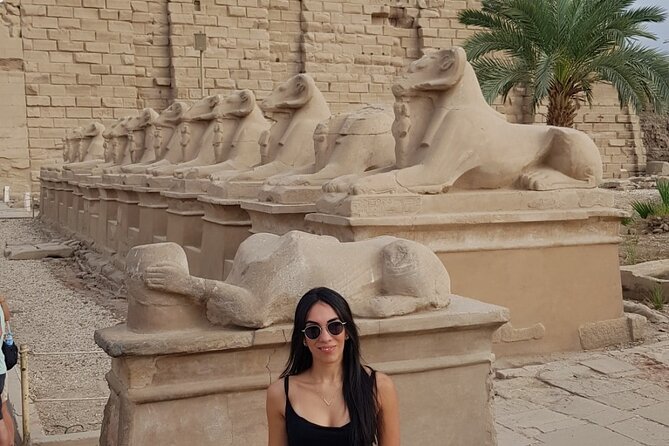
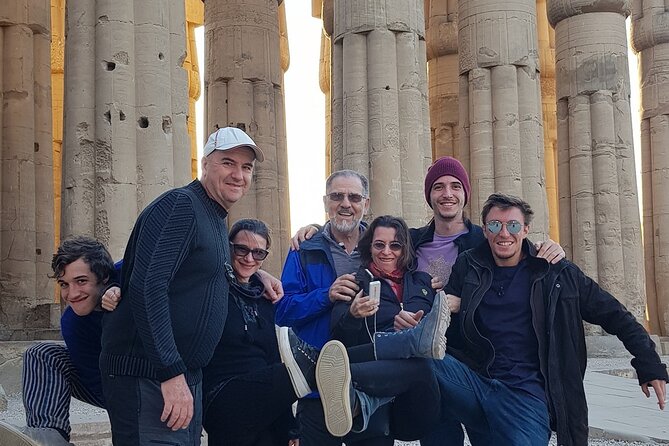
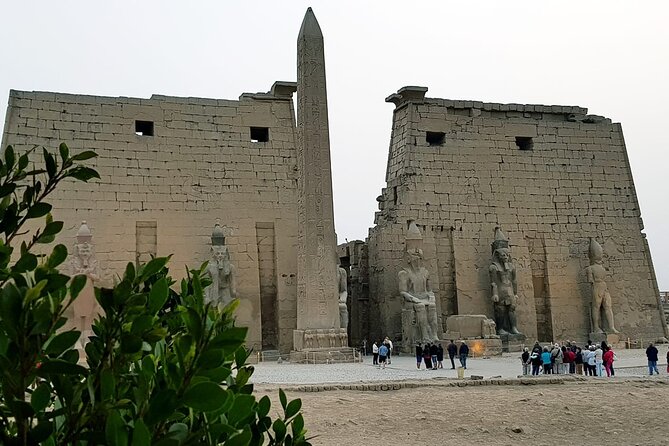
Karnak is where you’ll feel Egypt’s scale. The complex includes sanctuaries, kiosks, pylons, and obelisks dedicated to Theban gods, with Amun, Mut, and Khonsu at the center. It’s not just one temple façade—Karnak is a whole sacred city, and you’ll spend time soaking up how the power of the Pharaohs showed up in stone.
After Karnak, you’ll visit Luxor Temple. This is a different kind of experience: built mainly in the New Kingdom by Amenhotep III, later finished by Tutankhamon, and decorated with scenes connected to Ramses II. It’s the kind of site where a good guide helps you spot what’s from which reign instead of treating everything like one long wall of carvings.
You’ll also have a folkloric show on the first night, then dinner on board and an overnight in Luxor. If your arrival time is early, the tour is designed to start directly so you don’t waste hours waiting around in heat for cruise check-in at 12:00 PM.
You can also read our reviews of more tours and experiences in Luxor.



The Luxor West hot air balloon: the morning you’ll remember
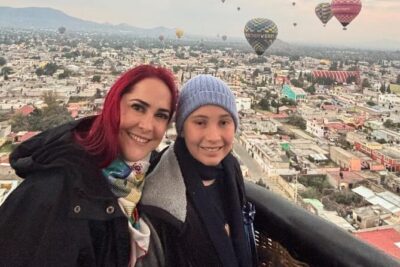
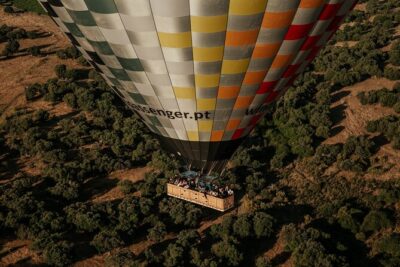
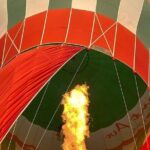
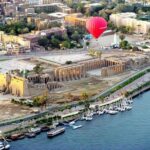
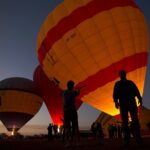
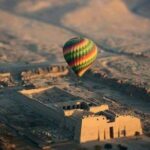
The balloon day is the star attraction. You’re picked up early in the morning for a hot air balloon ride over the west bank of Luxor, with aerial views of the city’s famous landmarks and the temples and mountains below. The ride is listed at about 40 minutes (often described as a 40–55 minute experience window), and you get a breakfast box for the timing.
This is one of those moments where Egypt suddenly looks different. From above, you can connect the ruins to the geography that shaped them. It also helps that the tour doesn’t just do the balloon and send you off; it’s built into the rest of the West Bank temple run so the morning has a clear purpose.
Important reality check: balloon activity depends on weather. If your balloon is canceled due to bad weather, you’re refunded 25 USD per person. Also, children under 6 can’t participate in the Luxor balloon ride.
Colossi of Memnon, then Hatshepsut’s temple: West Bank highlights in sequence
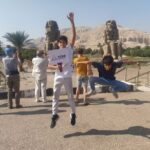
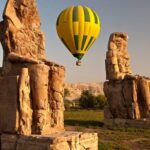
After the balloon, there’s a photo stop at the Colossi of Memnon. These are the famous twin statues of Amenhotep III, with two smaller statues carved by the feet—one associated with his wife and one with his mother. The name “Colossi of Memnon” comes from a legend tied to a phenomenon after an earthquake, and the guide helps explain the story so it’s more than a quick snap-and-go.
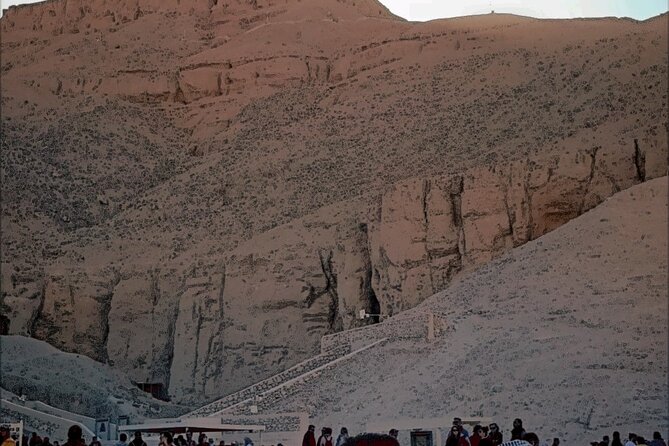
Next comes the Temple of Hatshepsut at Deir el Bahari. This is where many people slow down without realizing it. The terraces rise out of the desert plain, set against limestone cliffs, and the temple’s dramatic setting makes it easy to understand why Hatshepsut’s story stuck. The tour includes time to learn about her role and how her nephew ties into the temple’s context.
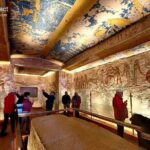
After that, you drive to the Valley of the Kings. This is the place for “the great place of the truth” feeling—sarcophagi, royal tombs, and the sense that you’re entering a world designed for permanence. You’ll see tombs and resting places associated with kings like Merneptah, Ramses III, and Ramses VI (and you’ll likely get guidance on what to look for, based on what’s accessible and open).
Then the day shifts into cruise mode: back to the ship, afternoon sailing toward Edfu via Esna Lock, lunch and afternoon tea on deck, dinner, and an overnight in Edfu city. This is a good design choice. After a temple-heavy morning, the sailing segment lets your feet cool down.
Edfu Temple and the Esna Lock day: when tea time beats rushing
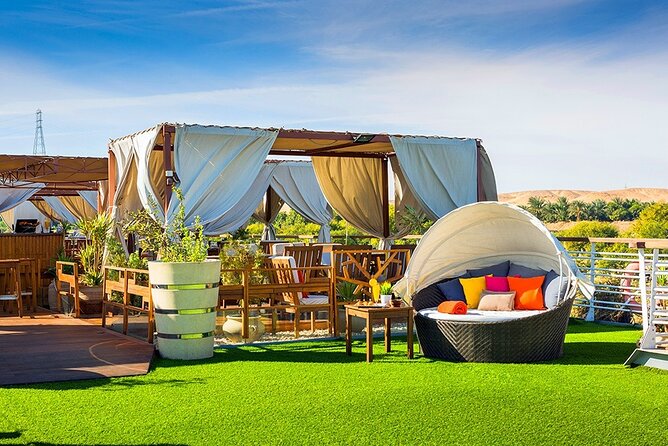
Day 3 and Day 2 both include sailing, but Day 2 is the one that sets up Edfu. You sail while the ship crosses Esna Lock, and the tour builds in relaxing time on deck. The ship’s sundeck time isn’t a gimmick here—it’s a built-in recovery period between major monuments.
On Day 3 morning, you’ll visit the Temple of Horus in Edfu. It’s described as the most preserved temple in Egypt, dedicated to the hawk god Horus. You’ll hear the context behind the Ptolemaic construction (built on an earlier site), and the walls include scenes tied to the mythic contending of Horus and Seth. The way this temple is preserved makes it easier to understand the stories and rituals without needing perfect archaeology knowledge.
Then you settle in for the long sailing stretch to Kom Ombo. The timing gives you a real window to watch the Nile move, enjoy afternoon tea, and let the day’s schedule come to you instead of chasing it.
Kom Ombo: a temple split between gods and a riverbank setting
Kom Ombo is one of those stops that surprises people because it’s both different and conveniently located. You arrive in Kom Ombo city after hours of sailing, then visit the Temple of Kom Ombo on the riverbank between Edfu and Aswan.
This temple is dedicated to Sobek Raa (the crocodile god) and Horus the Elder. It’s built during the Ptolemaic dynasty around 180 BC, with a Roman-era setting behind it. One of the key takeaways is how the temple plan reflects multiple religious focuses, so it feels purposeful rather than random.
After Kom Ombo, the ship sails to Aswan. Dinner is on board, and you have a Galabyia party, which is a fun, low-stress way to dress up a bit and enjoy the evening on the ship. Overnight in Aswan city follows.



Aswan High Dam and Philae: the best kind of contrast
Day 4 pairs modern engineering with an ancient religious site, and that contrast works well. After breakfast on board, you visit the Aswan High Dam, completed in 1960. It’s massive—3600 meters long, 980 meters thick at the base, and 111 meters tall at its highest point—and it created Lake Nasser behind it. The tour frames it in practical terms: flood control and electricity generation for Egypt.
From there you head to Philae Temple. This is reached by motorboat to Aglika Island, and that short ride is part of the charm. Philae is a Greco-Roman temple complex dedicated to Isis and it’s known for its picturesque setting. The story matters here: it was moved to avoid being submerged by the construction of the High Dam.
Philae also connects to Christianity-era transition stories since the temple system was among the last places where the older religion survived after Christianity arrived in Egypt. Your guide’s explanations help you see how the site changed in importance over time.
Abu Simbel at 4:30 AM: how the long day stays worth it
Day 5 starts with the tough part: around 4:30 AM check-out and a pick-up for Abu Simbel in a sharing small group. If you’re thinking of skipping this leg because it sounds exhausting, remember this is the trip’s biggest “wow” payoff.
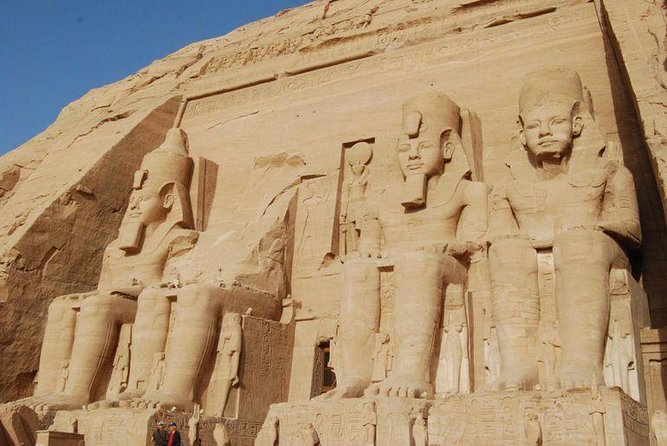
You visit the Abu Simbel Temple Complex, the rock-cut temples built for Ramses II and his beloved Queen Nefertari. The temples are presented as masterpieces of New Kingdom Egypt, designed with a sense of power and permanence that hits even when you’re tired. UNESCO and the Egyptian government are credited with cooperation to save the temples from flooding, which gives the visit an extra layer of meaning beyond the carvings themselves.
This is not a quick stop. You’ll spend the morning and day on the Abu Simbel visit, then you’ll be in the flow of departure timing afterward, with meet-and-greet support included on arrival and departure. If you’re the kind of person who likes early starts, Abu Simbel feels like a trophy. If you hate early starts, you’ll still likely feel proud you went.
Ship, cabins, and food: five-star comfort with practical limits
You’re getting full-board accommodation on a five-star cruise, plus breakfast, lunch, and dinner counts are included across the trip days. Bottled water is provided during outings outside the cruise ship, but water and drinks during meals and WiFi on the Nile cruise are not included. That means you should plan on buying/using what’s available on board for drinks, especially on hot days.
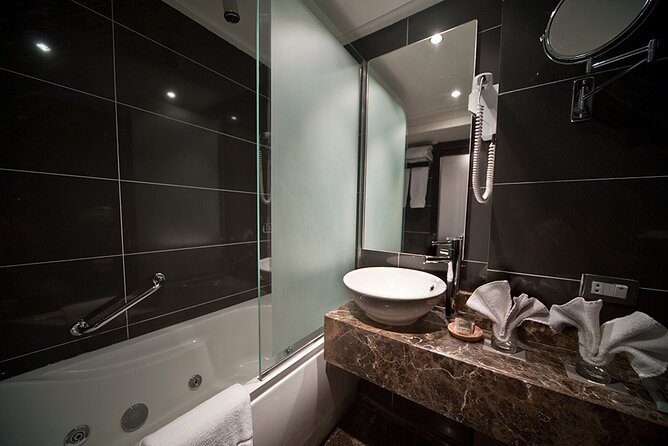
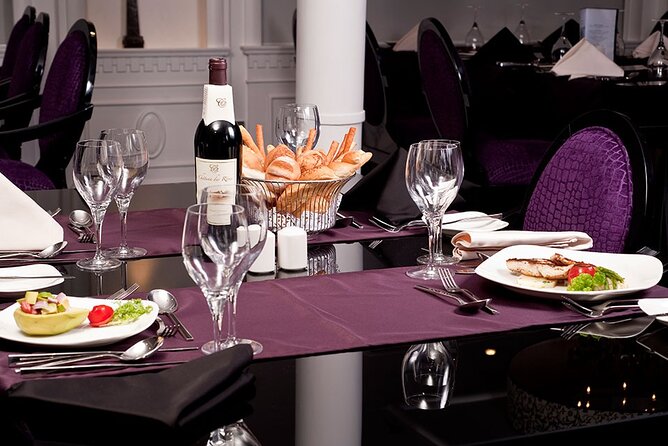
Based on strong feedback patterns, the ship experience tends to be a highlight: cabins described as clean and comfortable, food called excellent, and service on board friendly. Organization also shows up in the positives, with reports of tours being well set and punctual.
One caution I take from a less-positive note: treat valuables like they’re not magically secure. If you have spray, toiletries, or anything you’d truly miss, keep a small essentials kit with you when you leave your cabin. That doesn’t mean you should expect trouble—it just means you’ll sleep better.
Guides and group size: why small groups help
This tour runs with a maximum of 15 travelers, which matters more than it sounds. In Egypt, the biggest problem is often time lost to crowd management. A smaller group makes it easier to follow directions, hear explanations, and get moving quickly between stops.
You’ll also have an Egyptologist speaking tour guide during excursions. Names that show up in past experiences include Jimmy (Gimbel) and Muhammad, both described as friendly and very professional with clear explanations. When that guide presence is strong, temple visits stop being a blur of walls and become something you can actually understand.
Timing is another strength. Most activities happen in the morning, with a calmer second half of the day where you can chill, relax on deck, or do optional add-ons if you want them.
Price and value at $695 per person
$695 for five days can look steep until you break down what you’re actually getting. You’re not just paying for a ship ticket. You’re paying for:
- four nights on a five-star cruise with full-board meals
- an Egyptologist-led temple circuit
- a hot air balloon ride over Luxor West
- scheduled sailing time with deck relaxation built in
- Abu Simbel as a shared small-group day with an English guide
- transfers by air-conditioned vehicle and bottled water during outings
Entrance fees for sights are not included, and tipping isn’t included, so there will be extra costs on top. Still, the core value here is convenience plus the “big ticket” items being included up front, especially the balloon.
If you’re trying to build this trip yourself, you’ll quickly feel the headache of arranging timing across Luxor, Edfu, Kom Ombo, Aswan, and Abu Simbel while keeping the balloon and early start realities under control. This tour takes that stress and replaces it with a plan.
Who should book, and who should skip
I’d say this cruise fits best if:
- you want a first-timer friendly sweep of Egypt’s headline sites from Luxor to Aswan
- you like structured days with temple mornings and calmer sailing afternoons
- you’re excited by the Luxor balloon and don’t want to treat it as a separate tour hunt
- you prefer a smaller group pace (max 15)
You might want to reconsider if:
- you strongly dislike early starts, especially the around 4:30 Abu Simbel day
- you’re very budget-first and don’t want to think about entrance fees and tipping on top
- you need lots of unscheduled free time (the itinerary is packed with set stops)
Practical tips so the days feel easier
Egypt in the heat rewards smart habits. I’d plan for sun protection because you’ll be outside in multiple temple areas. Wear shoes you can walk in for uneven ground and stairs around major sites.
For the balloon day, be ready for early pick-up and a quick breakfast-box setup. Keep layers in mind since mornings can feel cooler than midday. And for Abu Simbel, assume you’ll want a comfy travel routine: water planning (even with bottled water on outings), snacks if allowed, and a good attitude for a very long morning.
Should you book this Luxor to Aswan cruise?
If you want one trip that hits the biggest names—Karnak, Luxor Temple, Edfu, Kom Ombo, Aswan High Dam, Philae, plus Abu Simbel—and you also want the Luxor hot air balloon built in, this is a strong choice. The small group size, Egyptologist-led pacing, and the inclusion of the balloon make it feel like a well-made package instead of a collection of separate errands.
I’d book it if you’re comfortable with early wake-ups and you’re okay paying entrance fees separately. If that early schedule sounds miserable, you’ll probably still enjoy the sites, but you may feel tired in ways that steal some of the magic.
FAQ
Is pickup included for the start of the cruise in Luxor?
Yes. You can be picked up from your hotel in Luxor, Luxor airport, or Luxor railway station before transferring to board the cruise.
What’s included on the cruise days?
The tour includes accommodation on a five-star cruise for 4 nights on a full board basis, plus all Nile cruise excursions named in the itinerary and a set of meals (breakfast, lunch, dinner) during the program.
Are entrance fees to temples included?
No. Entrance fees to the mentioned sightseeing are not included. Your tour guide can help you understand what you’ll need to pay on site.
How long is the hot air balloon ride?
The balloon ride is listed as about 40 minutes, and it’s described with a 40 to 55 minute window over the west bank of Luxor.
What if the hot air balloon is canceled due to weather?
If the hot air balloon ride is canceled due to bad weather, you’ll be refunded 25 USD per person.
Is bottled water provided?
Bottled water is provided during outings outside of the cruise ship. Water or drinks during meals and WiFi on the Nile cruise are not included.
When is Abu Simbel visited?
On Day 5, the tour includes a pick-up around 4:30 AM for a sharing small group visit to Abu Simbel with an English tour guide.
How big is the group?
The tour has a maximum of 15 travelers, and Abu Simbel is handled as a sharing small group.
Is there an age limit for the Luxor hot air balloon?
Yes. Children under 6 years old can’t participate in the hot air balloon ride in Luxor.