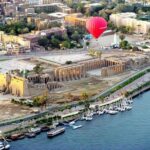
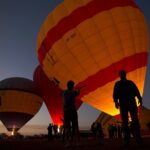
Egypt’s temple days come fast, but this 5-day Dahabiya cruise keeps the pace human and the nights peaceful. I like how the trip strings together major sites in a clear order, with Egyptology expert guidance so you don’t just see stone—you understand what you’re looking at. I also like the onboard vibe on the Kemet: calm spaces, attentive service, and that chance to watch the sky from the top deck. One thing to consider: the trip title mentions a hot air balloon, but the day-by-day stops provided focus on temples and cruise sailing, so you should confirm the exact balloon scheduling before you lock it in.
You’ll start on the Luxor side and work your way toward Aswan with a mix of big-name monuments and a few places that feel more specific and grounded. If you want a blend of classic Egyptian sightseeing plus slower river time, this fits well. Since this is private (only your group), the experience can feel smooth and tailored, but it also means you’ll want to be clear on your interests upfront, especially if you care about optional activities beyond the main stops.
In This Review
- Key things I’d mark on your trip checklist
- The 5-Day Rhythm: Nile Time Instead of Constant Driving
- Luxor Day One: Valley of the Kings, Hatshepsut, Colossi, Karnak
- Valley of the Kings: the tomb landscape at human scale
- Deir el Bahari and Hatshepsut: memorial architecture that feels cinematic
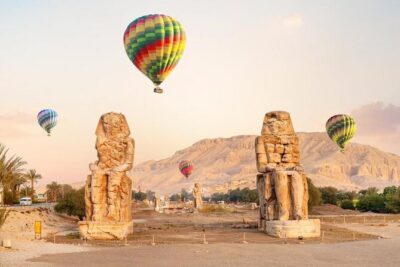
- Colossi of Memnon: quick, iconic, and free
- Karnak Temple Complex: where Egypt’s building ambition becomes obvious
- Day Two Beyond Edfu: Horus Temple and the Stone-Quarry World of Gebel el Silsila
- Temple of Horus in Edfu: big, detailed, and easy to follow with a guide
- Gebel el Silsila: the Golden Chain of Mountains and the quarry link
- Kom Ombo: A Double Temple That Makes the Nile Feel Clever
- Aswan Landmarks: High Dam Views and Ending on the River
- Aswan High Dam: 1960s scale you can understand
- Day five wrap-up: breakfast, then transfer in Aswan
- Onboard Life on the Kemet: Calm Rooms, Great Service, and Night-Sky Magic
- Cozy ship layout and spacious rooms
- Top deck stargazing at night
- Meals that don’t feel like an afterthought
- Extras beyond temples: donkeys, islands, and local music
- Price and What You Get for $1,777.50
- What’s included that saves real time and effort
- Meals are included, so your daily math gets easier
- What’s not included
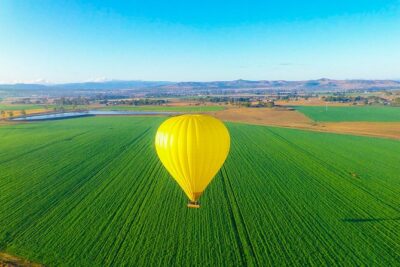
- Hot Air Balloon from Luxor: Confirm the balloon piece before you commit
- Who This Cruise Is For (and who may want a different fit)
- Should You Book This Luxor to Aswan Kemet Cruise?
- FAQ
- What is the duration of the cruise?
- Where does the cruise start and end?
- What’s included in the price besides the cruise?
- Are temple entry tickets included?
- Is tipping included?
- Can I get a full refund if my plans change?
Key things I’d mark on your trip checklist
- Top-deck stargazing nights: a real highlight, not a throwaway activity
- Egyptology expert guide: helps you connect the dots at Karnak and the Valley of the Kings
- Guided temple flow: fewer transfers than you’d manage on your own
- Dining built for long days: Egyptian and international dishes, served with care
- Most site tickets included: many key admissions are covered in the plan
- Hot air balloon timing to confirm: the title says balloon, but the scheduled stops shown don’t detail it
The 5-Day Rhythm: Nile Time Instead of Constant Driving
This cruise works because it gives you a rhythm. You do major temple visits during the day, then you return to the Dahabiya while the Nile keeps moving at its own speed. That “see, learn, rest, repeat” pattern is exactly what helps Egypt feel less exhausting.
You’re also not bouncing between hotels all week. With an included car for pick-up and drop-off, plus a meet-and-assist service, the logistics are kept simple. For a first trip to Upper Egypt, this kind of smooth handoff beats trying to orchestrate the day’s sights by yourself.
You can also read our reviews of more tours and experiences in Luxor.



Luxor Day One: Valley of the Kings, Hatshepsut, Colossi, Karnak
Day one is a strong Luxor introduction, and it’s packed in a smart order: tombs first, then memorial architecture, then the monumental temple complex.
Valley of the Kings: the tomb landscape at human scale
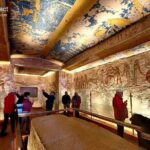
The Valley of the Kings (about 2 hours with admission included) is where the New Kingdom pharaohs and high officials were buried. It’s called the Valley of the Gates of the Kings for a reason: you’re moving between rock-cut entrances, corridors, and burial chambers that define the whole area’s feel. Give yourself time to look carefully. Even when you think you know what you’re seeing, the details are what make it stick.
Practical note: wear shoes you can trust on uneven stone. It’s not hard walking, but it’s outdoors and it’s Egypt.
Deir el Bahari and Hatshepsut: memorial architecture that feels cinematic
Next is the Temple of Hatshepsut at Deir el Bahari (about 2 hours, admission included). This is the one where the setting matters almost as much as the temple. The design is dramatic, and once you’re there, you start understanding why so many people call it an architectural masterpiece.
If you enjoy explanation from a guide, this is a great place for it. A good interpretation helps you connect Hatshepsut’s role to the temple’s purpose, and you’ll likely feel more grounded than if you simply walk through as a checklist.
Colossi of Memnon: quick, iconic, and free
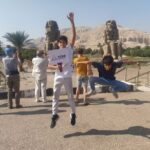
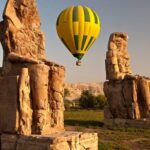
Then it’s the Colossi of Memnon (about 30 minutes, admission free). These two massive statues of Pharaoh Amenhotep III sit at the entrance of his mortuary temple. Even in a short stop, you get a clear sense of scale—one of those places where your brain has to catch up to your eyes.
This is also a nice pacing tool. After a deeper tomb/temple day, a shorter, simpler stop helps you avoid museum fatigue.



Karnak Temple Complex: where Egypt’s building ambition becomes obvious
Finally, you end with Karnak Temple Complex (about 2 hours, admission included). Karnak is huge, layered, and full of structural variety—pylons, chapels, and temples stacked over centuries of changes. It’s the kind of site where a guide matters because you can otherwise miss the story of how the complex grew and evolved.
When your time is limited, Karnak is still worth prioritizing. It’s less about one single view and more about the experience of walking through a living monument.
Day Two Beyond Edfu: Horus Temple and the Stone-Quarry World of Gebel el Silsila
Day two takes you from Luxor’s west-bank temple energy to Edfu and then to a place that feels more like work and geology than “pretty postcard Egypt.”
Temple of Horus in Edfu: big, detailed, and easy to follow with a guide
The Temple of Horus in Edfu (about 3 hours, admission included) rises grandly on the Nile’s eastern side. This is one of those temples where you can lose track of time if you’re not careful, because the carvings and layout invite you to keep looking.
With an Egyptology expert guide, you’ll get more than “here’s a wall.” You’ll learn how the temple’s structure relates to worship and symbolism, which makes your photos feel like notes instead of just images.
Gebel el Silsila: the Golden Chain of Mountains and the quarry link
Next is Gebel el Silsila, also tied to the Golden Chain of Mountains (about 3 hours, admission included). This area has a quarrying history dating back to the 18th Dynasty of the New Kingdom, and it supplied stone for major monuments like Karnak, Luxor Temple, Medinet Habu, and Kom Ombo.
This stop changes how you think about temples. Instead of seeing buildings as finished objects, you start viewing them as projects powered by specific landscapes. If you enjoy practical context—how civilizations actually built—this is the kind of stop that gives your trip extra weight.
Kom Ombo: A Double Temple That Makes the Nile Feel Clever
Day three centers on Temple of Kom Ombo (about 5 hours, admission included). This temple is special because it’s a double temple—built with two sides serving different divine functions.
The Ptolemaic-era foundation (with expansions during the Roman period) adds another layer. You’re not just walking through one era’s design; you’re seeing a place that changed. A guide can help you compare what’s on each side so it doesn’t feel like two random halves.
Also, the setting helps. Kom Ombo’s Nile proximity makes the site feel more open than some other temple visits, and that can make a 5-hour day feel manageable rather than punishing.
Aswan Landmarks: High Dam Views and Ending on the River
Day four keeps things grounded in modern history and a huge engineering landmark. It’s a useful contrast after three days of ancient sites.
Aswan High Dam: 1960s scale you can understand
You visit the Aswan High Dam (about 2 hours, admission included). It’s described as the largest embankment dam in the world and built from 1960 to 1970, vastly surpassing the earlier Aswan Low Dam completed in 1902.
This isn’t a must-see for everyone, but it is a smart add-on if you like context. The dam affects the Nile’s flow and modern life around it, so you get a reminder that Egypt’s relationship with the river isn’t only ancient.
Day five wrap-up: breakfast, then transfer in Aswan
After breakfast, you disembark and transfer to your chosen destination in Aswan (about 4 hours, admission free). You’re not stuck lingering on a schedule—your final day is designed to close the loop and get you moving.
Because your transfer destination is your choice, think about how you’ll keep your energy. If you’re planning onward travel that same day, keep it simple. Egypt travel can add waiting time fast.
Onboard Life on the Kemet: Calm Rooms, Great Service, and Night-Sky Magic
The Dahabiya experience is the point of the trip as much as the temples. And the Kemet seems designed for people who want comfort without pretending you’re on a theme ship.
Cozy ship layout and spacious rooms
From the descriptions, the boat layout is thoughtful: a cozy lounge and rooms that feel spacious enough to unwind after long temple hours. Tidiness and a professional staff approach come through, and that matters because you’re living on the ship for multiple days.
When the ship feels comfortable, the Nile time actually works. It’s the difference between “I’m tired” and “I’m recharging.”
Top deck stargazing at night
One of the most practical joys here is that the top deck is used for stargazing. After dinner and after the day’s walking, that kind of quiet nighttime view is exactly when a Nile cruise feels like a story you’ll remember.
Bring something warm if you tend to get cold at night. Even when days are comfortable, rivers and open air can cool things off.
Meals that don’t feel like an afterthought
Food is repeatedly highlighted as a strong part of the cruise. You get four breakfasts, plus four lunches and four dinners, which means you’re not hunting for meals between sights. Dishes are described as fresh and varied, with a mix of Egyptian and international cuisine.
If you’re picky about meals, this is a good setup. And if you’re not, it’s still useful: long temple days make consistency a win, and the dining flow keeps you from feeling rushed.
Extras beyond temples: donkeys, islands, and local music
The cruise concept also includes enjoyable side activities like donkey rides through sugarcane fields, picnics on islands, and local music performances. These are the moments that turn temple sightseeing into a fuller picture of daily life and culture, even if your primary focus is Egypt’s monuments.
Price and What You Get for $1,777.50
At $1,777.50 per person, this isn’t a budget trip. The question is whether it’s good value for what’s included, and in this case, it often is—if you want the “all-in-one” structure.
What’s included that saves real time and effort
You’re getting a 4-night, 5-star Dahabiya Nile cruise from Luxor to Aswan, plus meet and assist service. You also have an air-conditioned car for pick-up and drop-off, which matters more in Egypt than it does at home.
The plan includes an Egyptology expert tour guide and all cruise tours as listed. Many key site admissions are included where specified, which reduces the cost and hassle of day-of ticketing.
Meals are included, so your daily math gets easier
Four breakfasts, four lunches, and four dinners are included. That’s a big deal because it prevents the common problem of spending time and money on meals when you’d rather be in the sights.
What’s not included
Tipping isn’t included, so set aside a tip budget. If you’re used to tipping generously on guided days, you’ll likely feel comfortable here. If you’re a minimalist tipper, you’ll want to decide ahead of time what feels fair.
Hot Air Balloon from Luxor: Confirm the balloon piece before you commit
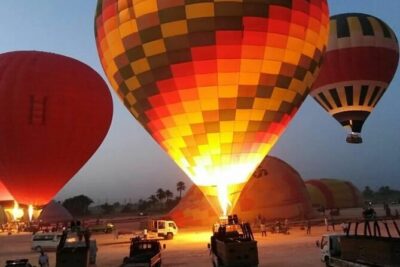
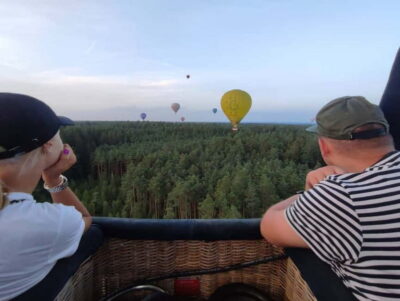
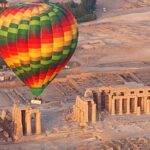
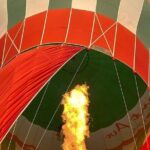
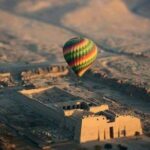
The experience title includes a hot air balloon component, but the detailed day-by-day stops you’ll receive here emphasize temples and cruise transitions rather than a balloon flight window. That doesn’t mean a balloon isn’t part of your booking—it just means you should verify the exact timing and whether it’s truly included for your dates.
If a balloon ride is a top priority, ask a direct question when you book: what day, what time, and is it included in the package price for your group. Egypt balloon flights are often tightly scheduled, so clarity is worth it.
Who This Cruise Is For (and who may want a different fit)
This works best for you if you want a guided Nile experience with strong structure. You’ll likely enjoy the balance of major monuments—Valley of the Kings, Hatshepsut, Karnak, Edfu, Kom Ombo—and the slower payoff of cruising between them.
It also fits families and mixed-age groups if everyone is up for walking at temple sites. Most travelers can participate, and the plan includes comfortable land transfers by car to reduce friction.
If you hate early starts, you’ll want to check how days are timed once your balloon (if included) is scheduled. And if you want a super flexible, free-form trip where you decide everything on the spot, a private cruise with a set guide may feel more structured than you’d like.
Should You Book This Luxor to Aswan Kemet Cruise?
Book it if you want the classic Upper Egypt story told in an organized way, without losing your evenings to constant logistics. The biggest wins are simple: guided temple visits that help you understand what you’re seeing, great onboard dining, and calm top-deck nights that make the river feel like more than a transit line.
I’d especially recommend it if you’re visiting Egypt for the first time or you want to avoid the stress of piecing together day trips. The $1,777.50 price makes sense when you treat it as lodging, transport, guided entry to multiple major sites, and full meal service all bundled together.
One last note: if the hot air balloon is a must-have, confirm scheduling before you pay. Once that’s clear, this cruise is the kind of trip that leaves you with both photographs and real context.
FAQ
What is the duration of the cruise?
The experience runs for about 5 days.
Where does the cruise start and end?
It’s a Luxor to Aswan journey, with disembarkation in Aswan on the final day after breakfast.
What’s included in the price besides the cruise?
You get meet and assist service, an Egyptology expert tour guide, air-conditioned car pick-up and drop-off, and cruise tours as described. Meals are included as well: four breakfasts, four lunches, and four dinners.
Are temple entry tickets included?
Admission tickets are included for several major stops listed in the plan, including the Valley of the Kings, the Temple of Hatshepsut at Deir el Bahari, Karnak, the Temple of Horus at Edfu, Gebel el Silsila, the Temple of Kom Ombo, and the Aswan High Dam. Some items are noted as free, like the Colossi of Memnon and the final transfer.
Is tipping included?
No. Tipping isn’t included.
Can I get a full refund if my plans change?
Yes. You can cancel up to 24 hours in advance for a full refund.