REVIEW · LUXOR
5-Day Luxor and Aswan Nile Cruise with Abu Simbel and Hot Air Balloon
Book on Viator →Operated by Roxana Travel · Bookable on Viator
A Nile cruise with balloon flight feels unreal. This 5-day Luxor–Aswan trip blends temple powerhouses with a hot air balloon morning over Luxor and the big-ticket stop at Abu Simbel. You trade hotel check-ins for a smooth ride down the Nile, with an Egyptologist keeping the sites clear and meaningful.
I love that your price covers the time sinks: entrance fees and all meals onboard (4 breakfasts, 4 lunches, 4 dinners). I also like that you’re not stuck guessing—air-conditioned transfers and an Egyptology guide like Mohamed (or other credited guides such as Mohamed Kader, Adam, or Mahmoud) help you connect the dots fast. One drawback to plan for is the 5:00 AM start for Abu Simbel—worth it, but not for late sleepers.
In This Review
- Key things I’d plan around
- Luxor to Aswan by Nile cruise: why this route feels efficient
- What makes the balloon flight over Luxor worth waking up for
- Day 1 on the West Bank: Valley of the Kings, Hatshepsut, and Carter’s world
- Day 2: Karnak and Luxor Temple, then sailing and Esna lock views
- Day 3: Edfu by horse carriage and Kom Ombo at sunset
- Day 4: Abu Simbel at 5:00 AM, then Aswan’s market energy
- Day 5: Philae Temple Island and the Aswan High Dam before you leave
- Cabins, meals, and the real meaning of “all-inclusive”
- Transport and guides: the difference between seeing and understanding
- Price and value: $714.26 per person, and what that buys you
- Who should book this Nile cruise (and who might want a different plan)
- Should you book the Luxor and Aswan cruise with Abu Simbel and a hot air balloon?
- FAQ
- How many days and nights is the cruise?
- What’s included in the tour price?
- Are entrance fees included?
- Do I get pickup and transfers?
- Is the hot air balloon ride included?
- Which major sites are visited during the 5 days?
- What time is Abu Simbel scheduled?
- How large are the groups?
- Is tipping included?
- Can I cancel for a full refund?
Key things I’d plan around
- Small group max 15 travelers, which usually makes temple logistics feel less chaotic
- Hot air balloon over Luxor, with a weather fallback refund if cancellation happens
- West Bank classics in Luxor: Valley of the Kings, Queen Hatshepsut, Carter’s house area
- Karnak + Luxor Temple before you cruise, then sailing through Esna lock
- Edfu by horse carriage and Kom Ombo at sunset, for the best light and fewer crowd headaches
- Abu Simbel round trip in a long but tightly scheduled day, then Aswan market time in the evening
Luxor to Aswan by Nile cruise: why this route feels efficient
Cruising from Luxor to Aswan is one of the best ways to experience Upper Egypt without feeling like you’re constantly hauling bags. In five days, you hit the core temple stops that bookend the region—Luxor’s west and east banks, then the river-temple trio (Edfu and Kom Ombo), finishing with the heavy-hitter Abu Simbel and Aswan’s classics.
For me, the value is in how much you’re doing while still getting downtime. You’ll be moving most days, but you’re not paying for hotels, and you’re not managing day-to-day logistics on your own.
You can also read our reviews of more tours and experiences in Luxor.



What makes the balloon flight over Luxor worth waking up for
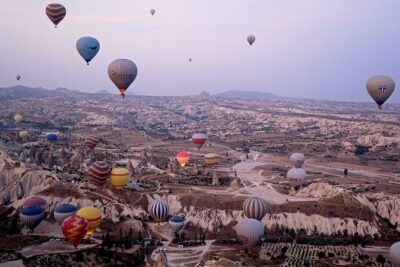
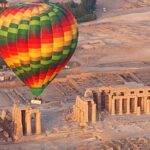
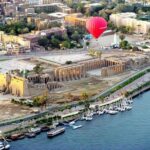
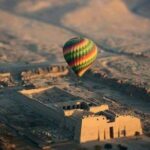
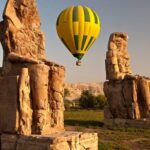
The hot air balloon is the moment that turns a temple circuit into a trip you’ll remember with your senses. You’ll start early, get your balloon ride during the Luxor segment, and then continue to the big sights afterward.
Two practical points matter here. First, balloon flights depend on weather, and if it’s canceled for bad weather you’re eligible for a $25 per person refund. Second, balloon mornings can feel rushed if you’re not ready for early wake-ups, so set expectations before you go.
In the reviews, the balloon shows up as a true highlight, and that matches what this kind of timing usually delivers: clear morning light, calmer air, and aerial views that make the geography click.
Day 1 on the West Bank: Valley of the Kings, Hatshepsut, and Carter’s world
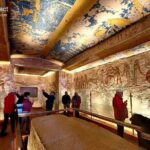
Your first major block is Luxor’s West Bank, the area tied to royal tombs and the long story of Tutankhamun’s discovery. You’ll head from Luxor toward the tomb region and visit the Valley of the Kings, one of those places where the scale makes everything feel both grand and oddly fragile.
The tour includes a classic storytelling moment tied to Howard Carter—watching the question get asked as they tested a way to see into the tomb area before opening it. It’s a small detail, but it helps you understand the mindset behind the excavation: patience, careful observation, and a lot of nerves.
Next comes Queen Hatshepsut’s temple, with the kind of backstory you won’t get if you just walk through on your own. The guide also shares some of the memorable legends tied to her reign, and even if you take the myths as stories (not facts), the temple still hits hard once you know who she was.
You’ll also stop near Carter’s house to connect the archaeology to the people who made it happen. You’re not just looking at stones—you’re tracing a chapter of modern history next to ancient one.
Day 2: Karnak and Luxor Temple, then sailing and Esna lock views
Day 2 keeps the momentum going with the east-bank anchors. You’ll take in Karnak Temple, described here as the largest temple in the world—whether or not you quote that exact claim, it’s undeniably huge. This is one of those sites where a guide helps you avoid the tourist maze by pointing out what to look for and why it matters.
After Karnak, you visit Luxor Temple, and this pairing works well. Karnak gives you the overwhelming depth, and Luxor Temple gives you a cleaner, more immediate sense of how the Egyptians framed power in stone right in the city.
Then the cruise starts to feel real. You’ll begin sailing, enjoy scenery as you move along the Nile, and pass the Esna lock. That lock moment is practical and visual—you’re watching human engineering manage the river’s flow, which makes the whole “Nile as highway” idea feel tangible.
Day 3: Edfu by horse carriage and Kom Ombo at sunset
Day 3 is built around one of my favorite Egypt strategies: do the temple early in the day, and do the big mood-light moments later. You’ll ride in a traditional horse carriage to reach Edfu Temple, then return to the ship for cruising.
Edfu is a key stop in the temple chain, and the horse carriage adds a cultural layer without turning the day into a performance. It’s transport, yes, but it also slows you down just enough to look around.
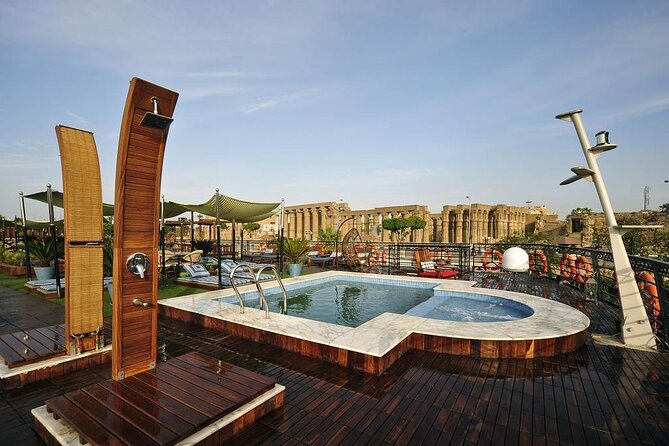
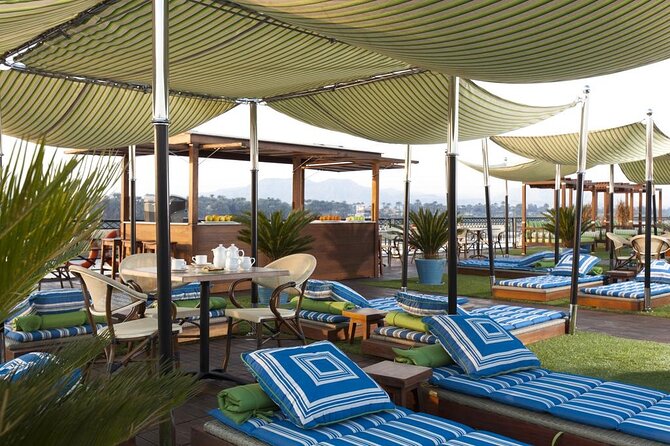
As you sail, you’ll have time to enjoy the river from the deck. There’s even a mention of a local drink on the sun deck during sailing, which is the kind of small onboard perk that makes the cruise feel like a cruise, not just a floating hotel.
Around sunset, you visit Kom Ombo Temple, and that timing is smart. Temples glow differently in the late light, and you’re also more likely to get better photos without the midday glare.



Day 4: Abu Simbel at 5:00 AM, then Aswan’s market energy
This is the day where the schedule shows you what “value” really means. Abu Simbel starts around 5:00 AM, and you’ll return around 1:00 PM, with lunch time afterward and the rest of the day in Aswan.
Abu Simbel is not a casual stop. The early departure means you’ll trade sleep for less stress and smoother logistics. If you hate early starts, this is the one you’ll feel the most.
Once you get back and rest, the evening shift is Aswan’s charm: you’ll have time to visit the local market in Aswan. That’s a nice contrast to the long temple day—shopping and street life let you decompress after the awe and the walking.
Day 5: Philae Temple Island and the Aswan High Dam before you leave
Your final day focuses on Aswan’s two biggest hits. You’ll be picked up from the cruise and driven to take a motor-boat to Philae Temple Island, then you’ll visit the Aswan High Dam.
This pairing is a strong finish because it shows two different kinds of power. Philae represents ancient devotion and river-era sacred geography, while the High Dam shows modern-scale river management. Together, they help you understand why people keep coming back to Aswan for both history and engineering.
After the sights, you’ll get a final transfer to your next step—an Aswan hotel, train station, or airport—depending on what you request. Also note the cruise ends at 13:00 on the last day, so plan accordingly.
Cabins, meals, and the real meaning of “all-inclusive”
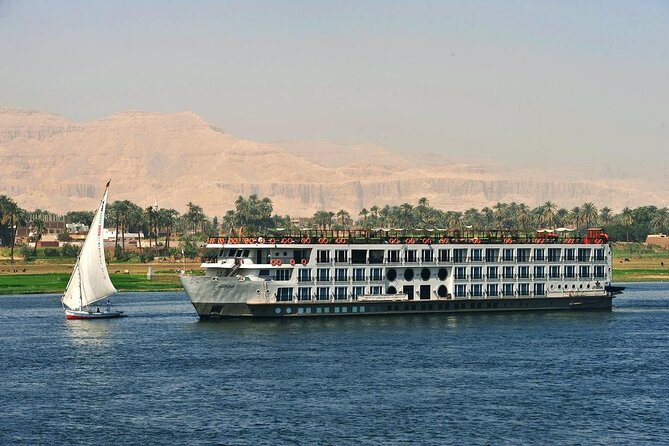
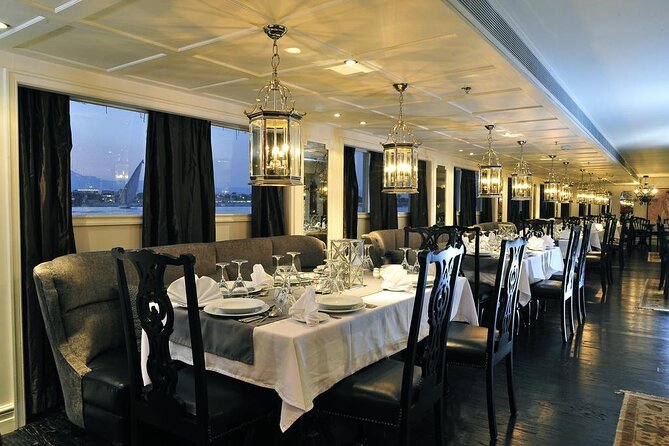
This is a 4-night cruise on a 5-star ship, and the price includes meals: dinner (4), breakfast (4), and lunch (4). That matters more than it sounds. It means you don’t have to hunt for food between temple blocks, and it lowers the stress of managing budgets day by day.
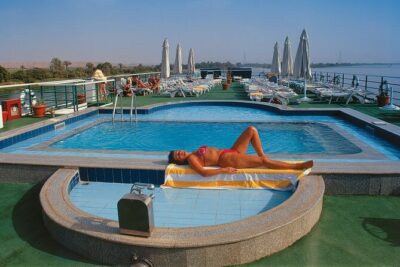
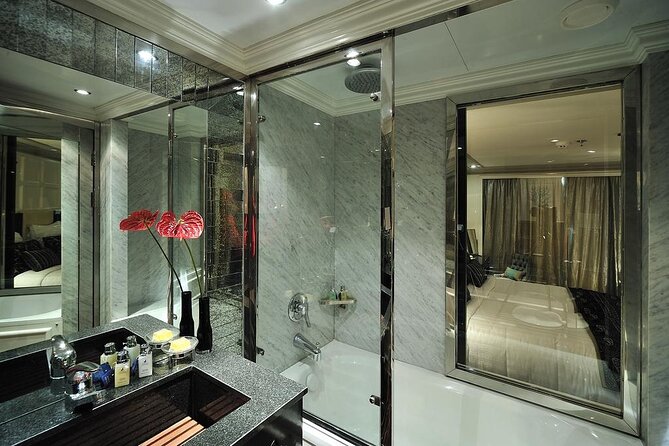
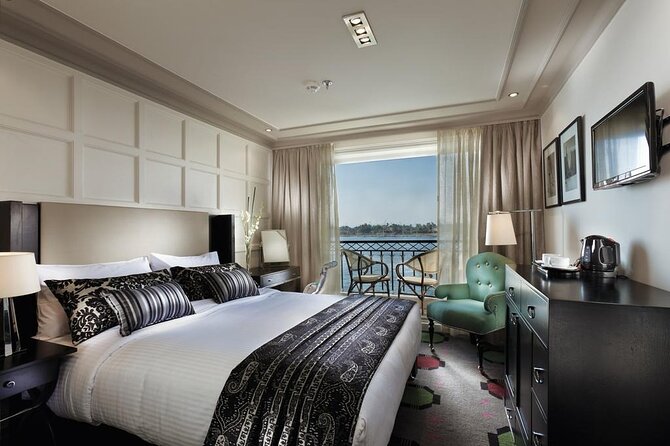
From the reviews, the ship experience is consistently described as comfortable and clean. People mention cozy cabins and good onboard facilities, plus panoramic windows in some cabins. There’s also mention of entertainment such as belly dancing and special onboard events for certain dates like NYE, which can add a fun evening break when you’ve been temple-walking all day.
One caution I’d flag from the same review pattern: some cabins may feel noisier depending on location (like being closer to the engine). If a quiet room is a top priority, ask what’s available when you book, and don’t assume every cabin has the same sound profile.
Transport and guides: the difference between seeing and understanding
A big win here is that you’re not doing Egypt on hard mode. You get air-conditioned vehicle transfers during the trip and admission fees built in for sightseeing between Luxor and Aswan. That reduces the time you spend negotiating, translating, and waiting around.
The Egyptology guide is a central part of the experience. Mohamed is specifically mentioned as the Egyptology guide who picks you up on time, and reviews also credit guides like Mohamed Kader, Adam, and Mahmoud for turning temple visits into clear stories. In plain terms: you’ll understand what you’re looking at faster, and you’ll get more out of the artwork and carvings.
Finally, small group size matters. With a maximum of 15 travelers, you’ll generally get easier pacing at sites and less friction when schedules change slightly.
Price and value: $714.26 per person, and what that buys you
At $714.26 per person, this is priced like a cruise-with-guides package, not like a basic transport deal. The value comes from what’s included:
- 4 nights on a 5-star cruise
- Qualified Egyptology tour guide
- Air-conditioned transfers
- Entrance fees for sightseeing between Luxor and Aswan
- Meals: 4 breakfasts, 4 lunches, 4 dinners
- Hot air balloon included (with a weather-related refund plan)
You also get tickets delivered digitally via mobile ticket, which usually reduces last-minute paperwork headaches.
Could you build something cheaper on your own? Often yes, but it’s a trade. You’d be spending time arranging guide coverage, entrances, transfers, and the balloon timing. For many people, buying the package is what turns Egypt from “project” into “trip.”
Who should book this Nile cruise (and who might want a different plan)
This fits best if you want a classic Egypt route with less friction. I’d especially recommend it for first-time Upper Egypt visitors, travelers who dislike hotel hopping, and anyone who likes a mix of major temples plus a standout experience like the balloon and the Abu Simbel push.
You might want a different plan if you strongly dislike early mornings or if you’re extremely sensitive to room noise. The 5:00 AM Abu Simbel start is the biggest schedule stress point, and there’s at least some evidence that not every cabin is equally quiet.
Should you book the Luxor and Aswan cruise with Abu Simbel and a hot air balloon?
If you want an efficient, high-coverage Nile experience with meals included, entrance fees handled, and an Egyptologist guiding the temples, I think this is a strong yes. The combination of West Bank classics, Karnak and Luxor Temple, Edfu and Kom Ombo timing, plus Abu Simbel makes it feel like more than the sum of its stops.
Book it if you’re comfortable with early starts and you want a guide-led itinerary where you can focus on photos, walking, and taking in the stories. If you’re chasing maximum flexibility or maximum sleep, then you’ll feel the schedule. For most people, though, the trade is worth it.
FAQ
How many days and nights is the cruise?
The trip runs for about 5 days and includes 4 nights on a 5-star cruise ship.
What’s included in the tour price?
The package includes a qualified Egyptology tour guide, air-conditioned vehicle transfers, entrance fees for sightseeing between Luxor and Aswan, and meals (4 breakfasts, 4 lunches, and 4 dinners).
Are entrance fees included?
Yes. Entrance fees for all sightseeing between Luxor and Aswan are included.
Do I get pickup and transfers?
Pickup is offered, and you’ll also have transfers by air-conditioned vehicle during the trip. On the last day, you’ll be transferred to an Aswan hotel, train station, or airport depending on your request.
Is the hot air balloon ride included?
Yes, the hot air balloon ride is included as part of the experience. The tour notes that balloon cancellation can happen due to bad weather, and if that happens you’ll receive a $25 per person refund.
Which major sites are visited during the 5 days?
You’ll visit the Valley of the Kings, Queen Hatshepsut Temple, Carter’s house area, Karnak Temple, Luxor Temple, Edfu Temple, Kom Ombo Temple, Abu Simbel Temple Complex, Philae Temple Island, and the Aswan High Dam.
What time is Abu Simbel scheduled?
Abu Simbel is scheduled around 5:00 AM. You return around 1:00 PM and then have time to rest and refresh.
How large are the groups?
This experience has a maximum of 15 travelers.
Is tipping included?
No. Tipping is not included.
Can I cancel for a full refund?
Yes. You can cancel up to 24 hours in advance for a full refund, and the cancellation cut-off is based on local time.