REVIEW · PAMUKKALE
Hot Air Balloon Flight in Pamukkale
Book on Viator →Operated by Cappadocia Tours · Bookable on Viator
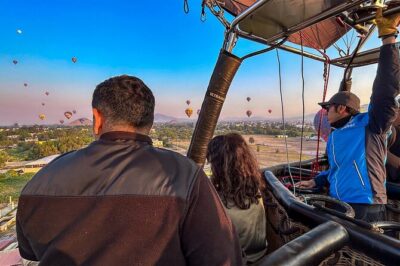
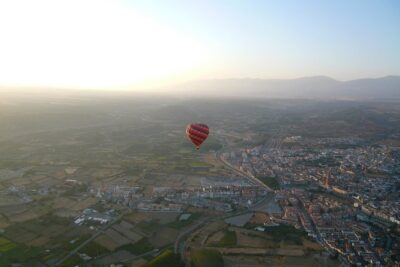
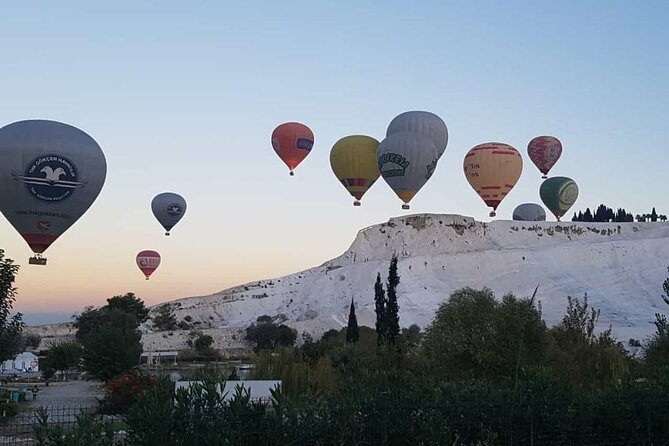
Sunrise changes everything in Pamukkale. This is a rare chance to float above the white travertine terraces at dawn and see the UNESCO site in a whole new pattern.
Two things I especially like here are the early timing (you’re up for sunrise) and the smooth, well-run flight experience with a crew that clearly cares about comfort and safety.
One consideration: this activity depends on weather, so you’ll want flexibility in your schedule and a backup plan for delays or rescheduling.
In This Review
- Key highlights you’ll feel right away
- Pamukkale From the Sky: What Makes This Balloon Moment Special
- The 5:00 am Start: Why You’re Up Before the Sun
- Flight Time and Group Size: How the Balloon Experience Really Works
- Landing Matters: The Crew’s Safety Focus at Touchdown
- Champagne Toast and Your Pamukkale Flight Certificate
- Stop on the Travertines: Why Thermal Water Makes These Terraces
- Entering the Pamukkale Natural Park: Pools, Mud, and a Small Kids Corner
- Denizli Area Time: Healing Waters and an Ancient City Connection
- Price and Value: What $118 Buys You in Pamukkale
- Who Should Book This Balloon Flight (and Who Should Pause)
- Practical Details That Help You Get the Most Out of It
- Should You Book This Pamukkale Hot Air Balloon Flight?
- FAQ
- What time does the Pamukkale hot air balloon start?
- How long is the balloon flight?
- How long is the whole experience?
- Is hotel pickup included?
- Is there a limit on group size?
- What is included after the flight?
- What happens if weather is poor?
- Where does the tour meet and end?
Key highlights you’ll feel right away
- Sunrise departure around 5:00 am so the terraces glow from above
- 45 minutes in the air (with a total outing of about 2 hours)
- Small-group balloon experience up to 24 people for a more personal feel
- Hotel pickup and return in an air-conditioned vehicle
- A Captain who keeps things upbeat (Captain Jolley is known for jokes)
- A non-alcoholic champagne toast + flight certificate after landing
Pamukkale From the Sky: What Makes This Balloon Moment Special
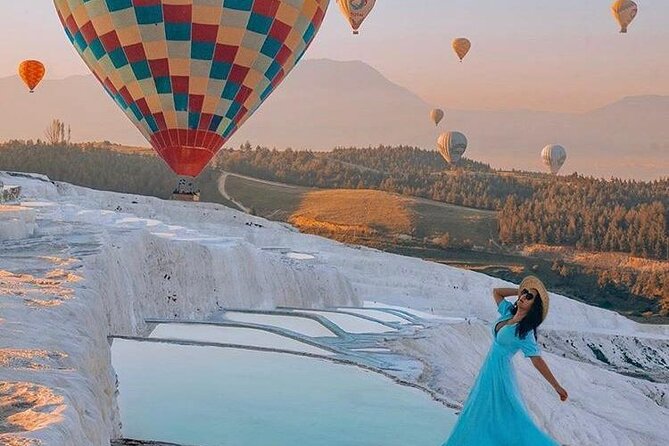
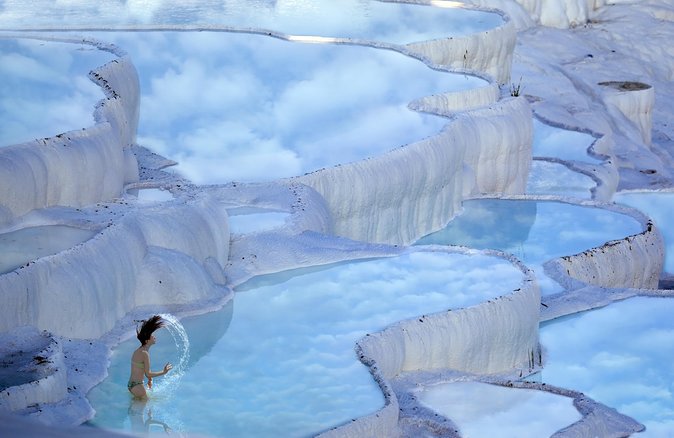
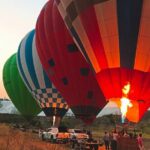
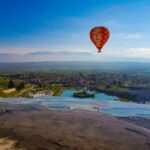
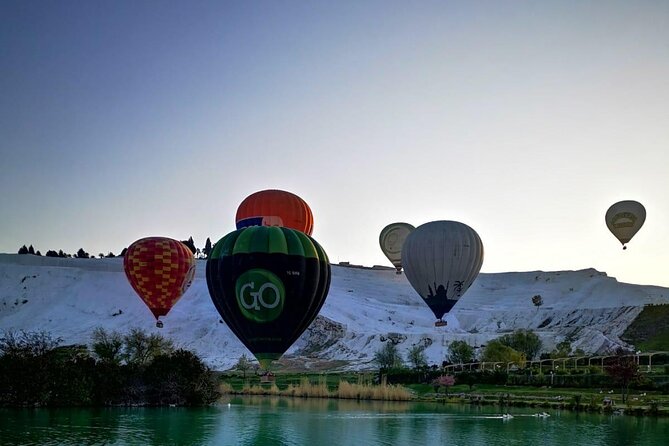
Pamukkale’s travertines are famous for the way thermal water built them into stark, white terraces. The minerals come from hot spring water, and the story behind it includes a long chain of natural events after earthquakes in the region. From ground level, it’s impressive. From above, it becomes graphic: you can see the steps, the flow-like patterns, and how the whole UNESCO area spreads out.
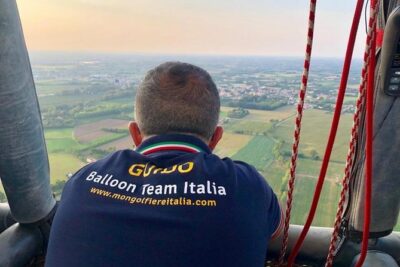
This is why the sunrise timing matters. Early light softens the contrast on the white terraces and makes the terrain easier to read from far away. If you’re the type who loves photos, you’ll likely get images that feel different from the usual postcard angles, because the balloon gives you a moving, high vantage point rather than one fixed viewpoint.
You can also read our reviews of more tours and experiences in Pamukkale.

The 5:00 am Start: Why You’re Up Before the Sun
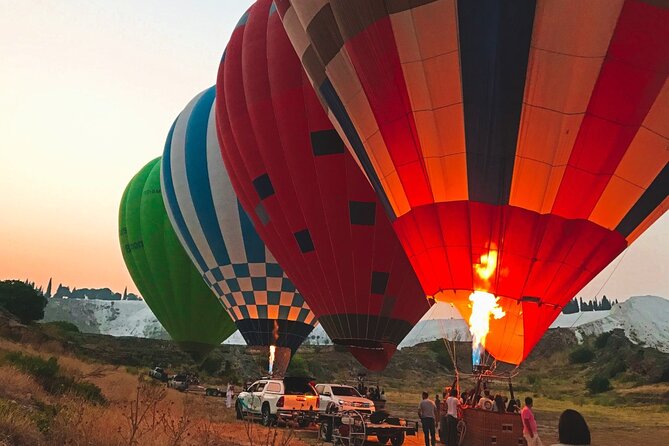
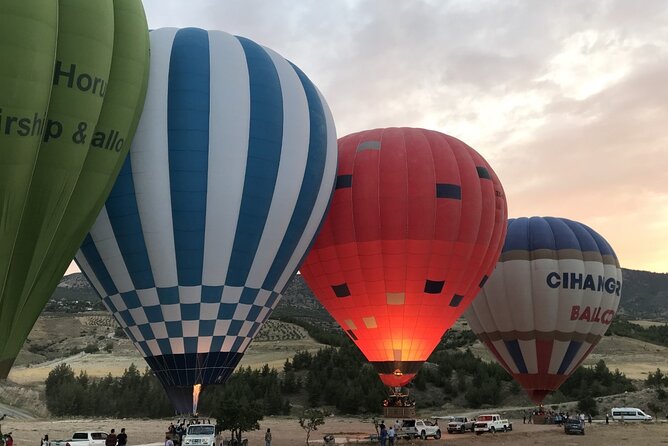
Your day starts early, with the experience set to begin at 5:00 am. The pickup is offered at your Pamukkale hotel, and you’ll be transferred to the meeting point area in an air-conditioned vehicle.
That early wake-up is the trade-off for sunrise. You’ll want to keep your morning simple. If you’re already tired from travel days, eat something light, drink water, and dress in layers. Morning air around sunrise can feel colder than you’d expect, especially if you’re waiting before the balloon lifts off. On balloon mornings, comfort matters because you’re spending time outdoors.
Flight Time and Group Size: How the Balloon Experience Really Works
The balloon flight itself is about 45 minutes, and the overall experience runs for roughly 2 hours. That’s a solid slice of sky time without turning your day into an all-day commitment.
Group size is capped at 24 travelers, and that’s important for your experience. Smaller groups tend to move and organize more smoothly—less crowding, fewer delays, and a better chance to actually feel the ride instead of just bracing for the logistics.
From the experience feedback you’ll likely find a common theme: the flight feels smooth and the crew keeps things interactive. One standout detail is Captain Jolley, who’s noted for sharing jokes and keeping the atmosphere relaxed. That matters because hot air ballooning can feel intimidating if you don’t know what’s coming. When the captain and crew act like this is normal and safe, your nerves usually settle faster.
Landing Matters: The Crew’s Safety Focus at Touchdown
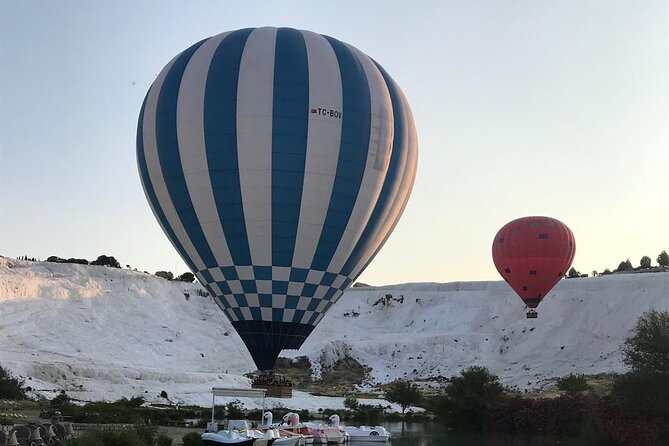
A smooth ride is only half the story. The other half is landing.
While balloons are generally managed with care, landing can feel different depending on wind and ground conditions. In the feedback, the landing was described as rather difficult, but the crew put a lot of effort into safe touchdown and helping everyone deboard. That’s exactly what you want to see: a team that treats safety and passenger support as the main job, not an afterthought.
This is one reason to take the briefing seriously when you get it. Even if you feel totally calm, listen and follow instructions about seating, posture, and how to handle the transition from air to ground. The best flights aren’t the ones with no bumps—they’re the ones where the crew keeps everything controlled and organized.
Champagne Toast and Your Pamukkale Flight Certificate
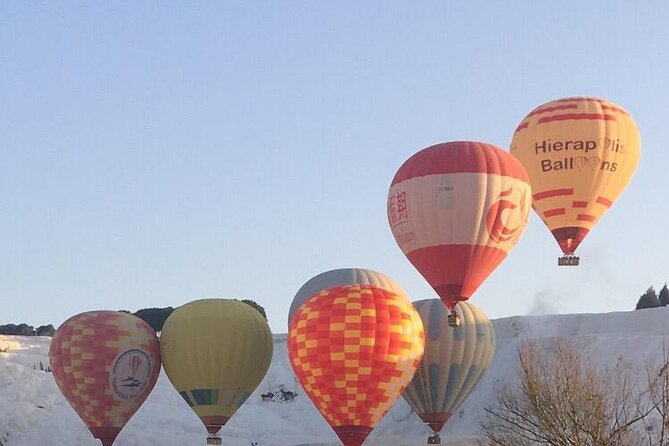
After landing, the experience includes a non-alcoholic champagne celebration. It’s a fun ritual moment, and non-alcoholic makes it easier if you’re traveling with anyone who doesn’t want alcohol.
You’ll also receive a commemorative flight certificate. It’s not about paperwork—it’s a nice keepsake to mark the flight day. If you like souvenir value that fits in your bag, this is the kind of thing you’ll actually keep.


Stop on the Travertines: Why Thermal Water Makes These Terraces
When you arrive at the travertine area, you’re stepping into a natural process that’s been shaping the site for an extremely long time. The terraces form from carbonate minerals precipitated from thermal spring water. And the area has served as a spa for about 1000 years in Pamukkale.
Seeing it from above is the big hook, but walking through it gives you a different kind of understanding. Up close, the white surfaces look less like a uniform “wall” and more like layered mineral basins. That texture is what makes the terraces feel real instead of like a painted set.
One practical point: travertine areas can be visually stunning while also being easy to misjudge when you’re stepping around. Wear shoes that feel secure. If you want to take photos, give yourself time to find safe footing before you stop to frame the shot.
Entering the Pamukkale Natural Park: Pools, Mud, and a Small Kids Corner
A second stop is at the entrance to Pamukkale Travertines and the Natural Park area. This park includes an artificial lake, two swimming pools, one children’s pool, and a mud pool.
The water is treated through special systems before being transferred into the pools. The setup is designed so you can experience the thermal and mud-related feel without the entire area being raw and unmanaged.
If you’re interested in wellness-style activities, the mud element is the headline. The information here specifically notes the ability to benefit from healing mud in the Natural Park swimming pools. You don’t need to be a spa expert to enjoy it—this is more about trying the process and feeling what the site is known for.
If you’re traveling with kids, the children’s pool is a useful detail. It means the day isn’t only about ballooning and watching adults float while everyone else waits.
Denizli Area Time: Healing Waters and an Ancient City Connection
The final stop described is about 2 km from Denizli, in an area known for healing waters believed to help with various ailments.
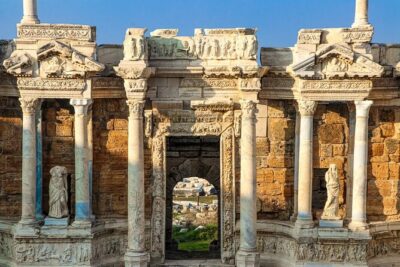
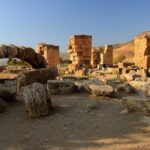
You also get an ancient city component: an ancient city dating to the 2nd century BC, tied to Pergamon. The information says it’s thought to have been founded by Eumenes, and the name comes from Heira, the wife of Telephos, the founder of Pergamon.
Even if you’re not a history specialist, this helps break up the day. It’s not just “white terraces and then back.” You get a sense of how this region has been valued for both water and culture over time.
Because the exact time on each ground stop isn’t specified, I’d treat the day like this: go with a relaxed mindset. The balloon is the main event; the on-land stops are a chance to see key sights without turning the schedule into a sprint.
Price and Value: What $118 Buys You in Pamukkale
At $118, the value here is mostly about what’s included around the flight. You’re paying for:
- 45 minutes of balloon flight
- Hotel pickup and drop-off via an air-conditioned vehicle
- A non-alcoholic champagne toast
- A commemorative certificate
The big value lever is sunrise. You’re not just going up at any time—you’re going up when the terraces look their best. That early departure costs time and scheduling effort, and it shows in how the experience is designed.
Also, you don’t have to arrange private transportation. Private transport isn’t included, but pickup is, and that reduces hassle if you’re staying in Pamukkale. If you’re already based there, the price likely feels fair for the full package.
If you’re the kind of traveler who wants to squeeze everything out of a short trip, this is one of those activities that delivers a “wow” moment without consuming your whole day.
Who Should Book This Balloon Flight (and Who Should Pause)
This balloon ride fits best if you:
- Want a sunrise experience and understand that early mornings are part of the deal
- Love views and want Pamukkale’s travertines from an angle most people don’t get
- Appreciate a well-run team and a relaxed atmosphere (the captain and crew interaction is a praised part of the experience)
- Prefer a manageable group size, capped at 24 people
You might pause if you hate early starts or if you’re traveling without any flexibility at all, since the balloon experience depends on good weather. Also, if you’re extremely uneasy about any possibility of an awkward landing moment, read the landing details as a real consideration: the crew works hard to keep things safe, but the experience can still involve more feeling than a perfectly smooth elevator ride.
Practical Details That Help You Get the Most Out of It
Your meeting point is listed as Pamukkale, Traverten Sk. No:15, 20190 Pamukkale/Denizli, Türkiye, and the activity ends back at the same meeting point. It’s also described as near public transportation, which is helpful if you’re not staying in a place with easy hotel pickup access.
You’ll get a mobile ticket, so have your phone ready and don’t plan to rely on spotty connectivity.
Bring:
- Layers for early morning waiting
- Shoes you trust for moving around outdoor areas
- A camera (or extra battery) so you don’t have to choose between comfort and shots
Should You Book This Pamukkale Hot Air Balloon Flight?
If you want one sunrise highlight that actually changes how you see the place, this is a strong pick. The combination of 45 minutes in the balloon, a small group, and a team that’s praised for keeping things smooth and upbeat makes it feel like more than a checklist activity. Add in the non-alcoholic champagne moment and the certificate, and you end with a clear, memorable finish.
I’d book it if you’re staying in Pamukkale and can handle a 5:00 am start. I’d think twice only if your schedule is rigid and you can’t adapt to weather-related changes.
FAQ
What time does the Pamukkale hot air balloon start?
The activity start time is 5:00 am, with the morning scheduled around sunrise.
How long is the balloon flight?
You’ll spend about 45 minutes in the air.
How long is the whole experience?
The total duration is about 2 hours (approximately).
Is hotel pickup included?
Yes. Pickup and drop-off at your Pamukkale hotel are included, along with transportation by air-conditioned vehicle.
Is there a limit on group size?
Yes. The maximum group size is 24 travelers.
What is included after the flight?
You’ll get a non-alcoholic champagne celebration and a commemorative flight certificate.
What happens if weather is poor?
This experience requires good weather. If it’s canceled due to poor weather, you’ll be offered a different date or a full refund.
Where does the tour meet and end?
It starts at Pamukkale, Traverten Sk. No:15, 20190 Pamukkale/Denizli, Türkiye, and ends back at the same meeting point.