REVIEW · ASWAN
Aswan: 4-Day Egypt Private Tour with Nile Cruise, Balloon
Book on GetYourGuide →Operated by Special Egypt · Bookable on GetYourGuide
Sunrise balloon flights over Luxor are the big hook. This 4-day Aswan to Luxor itinerary pairs a 5-star Nile cruise with early, expertly guided temple days so you spend less time figuring it out and more time seeing real Egypt.
I especially like the way the sites get explained by an English-speaking guide (and Egyptology-style storytelling), and how the trip hits both “grand monuments” and smaller, story-rich corners like the Unfinished Obelisk and Philae’s carved walls. In past departures, guides such as Mary and Rasha have been praised for slowing down and making the history easier to grasp.
The main drawback is timing: you’ll face very early pickups (often around 4 am) on more than one day, plus entry fees and drinks are not included, so you’ll want to budget ahead.
In This Review
- Key points before you go
- How This 4-Day Aswan-to-Luxor Route Feels Like Two Egypts
- Day 1 in Aswan: High Dam Views, the Unfinished Obelisk, and Philae
- Day 2 at Abu Simbel Dawn, then Kom Ombo on the Nile
- Day 3 in Edfu: Horus Temple and Time to Breathe Aboard
- Day 4 Luxor Sunrise Balloon and a Full West-and-East Bank Day
- The Guiding That Makes Hieroglyphs Make Sense
- Cruise Comfort and How to Use the Included Full-Board Meals
- Timing, Early Pickups, and What to Do With Your Mornings
- Price and What’s Not Included (Entry Fees and Drinks)
- Who This Tour Suits Best
- Should You Book This Aswan Nile Cruise With Sunrise Balloon?
- FAQ
- What city does the tour start in?
- Is the hot air balloon ride in Aswan or Luxor?
- How many nights are spent on the Nile cruise?
- Are meals included?
- Are entry fees included in the tour price?
- Are drinks included?
- What language is the guide?
- What are the main sites visited on the West Bank?
- What are the main sites visited on the East Bank?
Key points before you go
- Sunrise VIP hot air balloon experience in Luxor with small-group pacing
- Abu Simbel at dawn via an air-conditioned transfer (about a 3-hour drive)
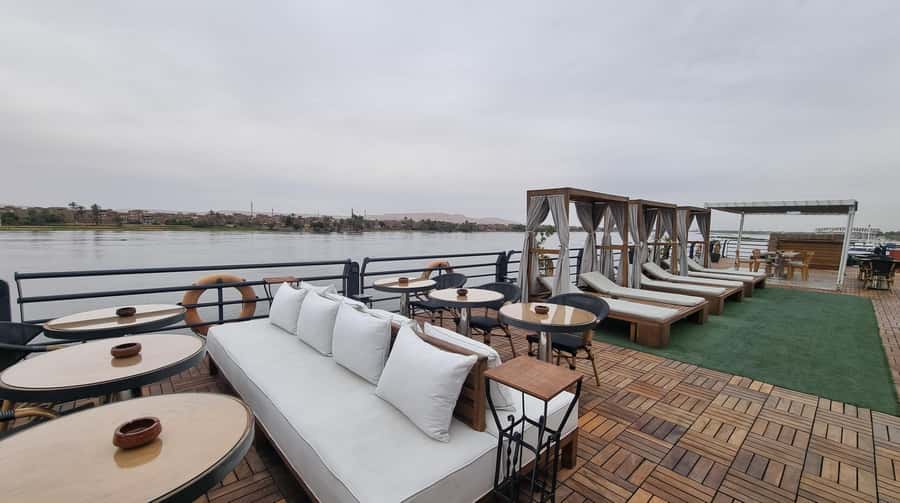
- 5-star Nile cruise with full-board over 3 nights and a private cabin with all facilities
- Tight East Bank and West Bank day: Karnak, Luxor Temple, Valley of the Kings, Hatshepsut, Colossi of Memnon
- Double temple stop at Kom Ombo (Sobek and Horus) plus Edfu’s Horus Temple
- Guides that explain clearly (including names like Mary, Rasha, and specialist guides for Abu Simbel)
How This 4-Day Aswan-to-Luxor Route Feels Like Two Egypts
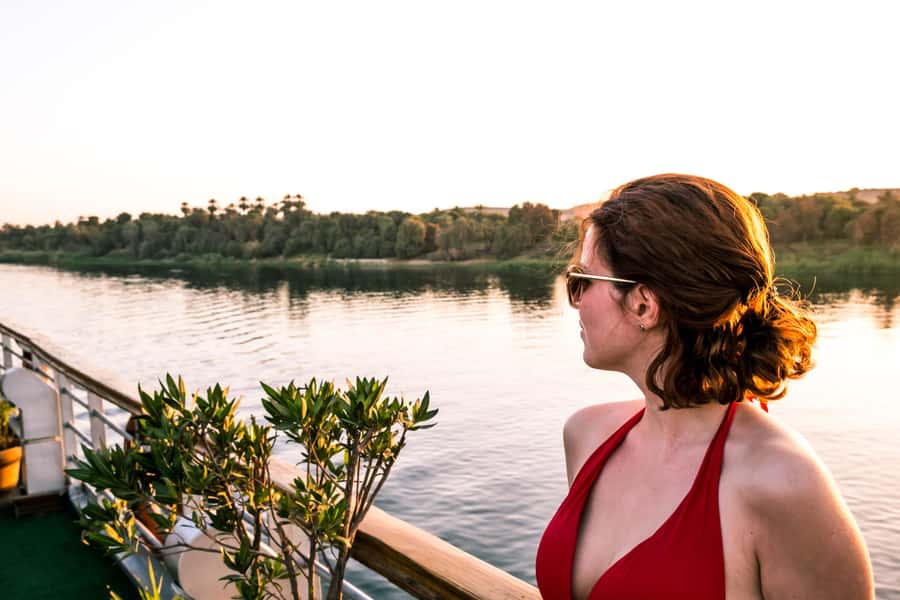
This trip works because it connects two different rhythms of Egyptian history. Aswan sets you up with monuments tied to the Nile and ancient state power, then the cruise carries you into the temple chain that begins to feel almost like a moving timeline.
You also get structure without feeling locked in. Each day mixes a major site, a guided walk-through, and time to reset on the ship. That balance matters, because temple days can be intense if you’re doing them solo.
One more smart touch: your ground logistics are handled. Hotel pickup in Aswan, air-conditioned transfers, licensed driver service, and hotel drop-off in Luxor mean you’re not spending your vacation chasing directions.
You can also read our reviews of more tours and experiences in Aswan.
Day 1 in Aswan: High Dam Views, the Unfinished Obelisk, and Philae
Aswan day starts with a pick-up from your accommodation and a guided route designed to show how the Nile shapes power. First stop is the Great High Dam of Aswan, paired with views of the artificial lake it created—Lake Nasser. Even if you’re not a technical person, the scale hits you fast, and getting an overhead view is a major part of the impact.
Next comes the Unfinished Obelisk, which is pure Egypt-in-the-making. You’re not just seeing an object; you’re seeing the question of how ancient Egyptians handled heavy stone work. A great detail to keep in mind is the story of how they used wet wood as part of the process to help separate the finished sculpture from the bedrock—your Egyptologist should walk you through why that mattered.
Then you finish with Philae, often called the Pearl of Egypt. This temple complex sits on an island setting with clear water and dark granite boulders, and the walls are packed with hieroglyphs and religious scenes. It’s one of the best places to understand how Egyptian writing wasn’t just decoration—it was part of telling the story of gods, kings, and ritual life.
Afterward, the day loosens up. Your driver drops you at the ship for lunch, and you get the rest of the afternoon to relax onboard.
Day 2 at Abu Simbel Dawn, then Kom Ombo on the Nile
Day 2 begins with the biggest time commitment: an early pickup, usually around 4 am, followed by an air-conditioned trip of about 3 hours to Abu Simbel. The payoff is that the temple visit happens while the world is still quiet and the site feels more dramatic than it does later in the day.
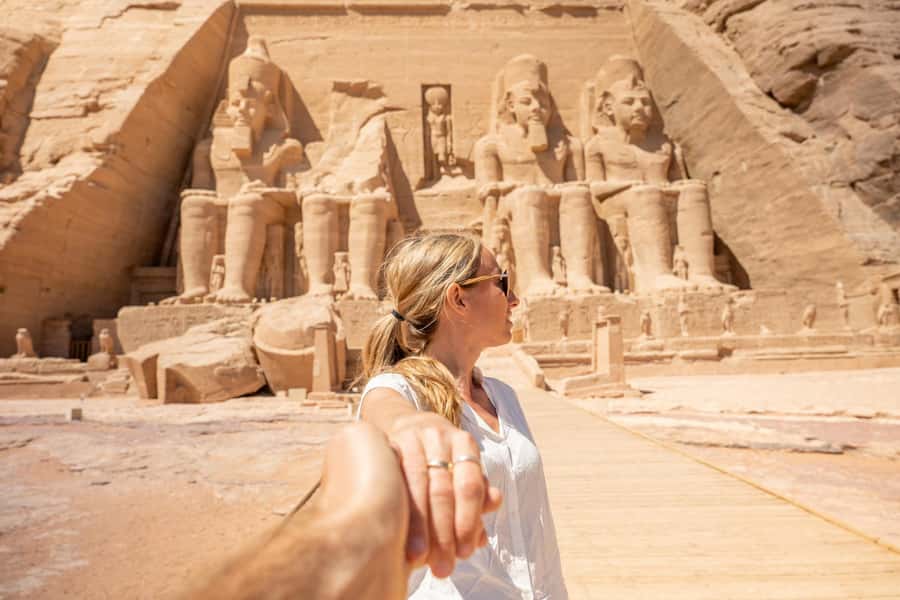
Abu Simbel is famous for a reason. The Great Temple is dedicated to Amun, Ra-Horakhty, Ptah, and also to Ramesses himself. In your guide’s explanations, listen for how the temple’s purpose ties together state religion and royal authority—this isn’t just a pretty façade. It’s a statement built in stone.
Once you’ve done Abu Simbel, you return to the cruise ship for lunch and then continue sailing. The pace shifts from road travel to Nile travel, and that change is a big part of the experience. You’re already tired from the early start, so letting the scenery carry you for a while is a smart way to recharge.
Then you reach Kom Ombo, where your guide is waiting. This is a double-temple layout dedicated to Sobek, the crocodile god, and Horus, the falcon-headed god. The structure combines two temple areas in one, with separate gateways and chapels—so you’re not only looking at carvings, you’re also seeing how ancient architecture reinforced a split set of religious roles.
After the Kom Ombo visit, you return to the ship and sail onward toward Edfu.
Day 3 in Edfu: Horus Temple and Time to Breathe Aboard
After breakfast onboard, your guide takes you out to Edfu for the Horus Temple. This is the largest temple in the area devoted to Horus, and you’ll notice the falcon-headed god imagery throughout the complex.
What makes Edfu especially valuable is that the wall carvings are not just decorative. They’ve provided historians with details about the Hellenistic period in Egyptian history. So while you’re looking at ancient worship scenes, you’re also learning how later eras lived inside older Egyptian traditions.
Your guide should help you read what you’re seeing in a practical way—names, symbols, and the logic of the temple layout. When this part is done well, the carvings feel less like random “ancient art” and more like a record of how people understood their world.
After the visit, you go back to the ship and have real downtime. This is where the cruise earns its keep. You’re not rushing across towns at night, and you don’t have to hunt for dinner plans. It’s quality time for rest, conversation, or just sitting on deck and watching the river pass.
Day 4 Luxor Sunrise Balloon and a Full West-and-East Bank Day
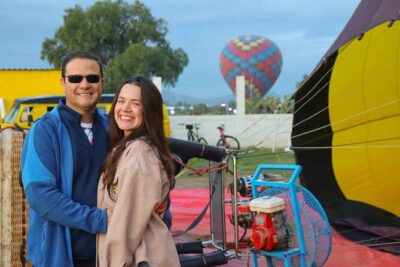
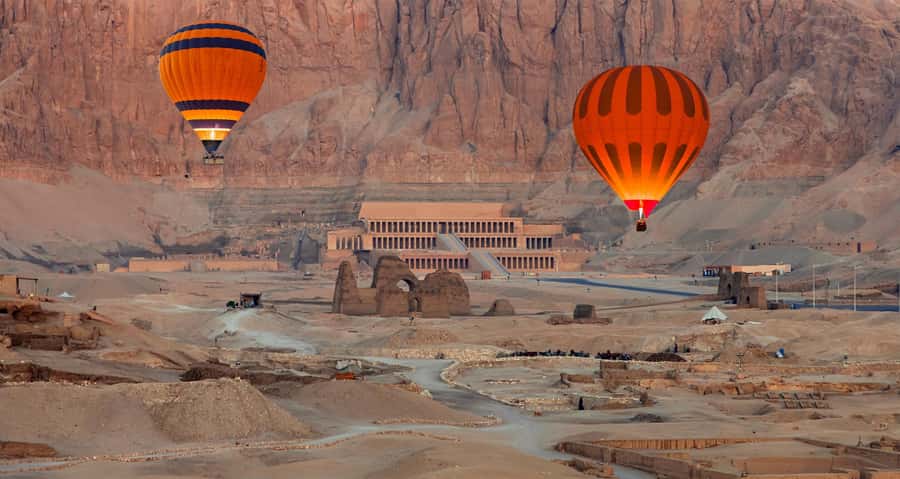
Day 4 is the day you earn your bragging rights. It starts with a hot air balloon ride at sunrise in Luxor, with pick-up from the reception typically around 4 am. You’ll join a small group and transfer to the balloon area, then drift over Luxor while the city and temples slowly rearrange into a bird’s-eye view.
Because the ride is at sunrise, the timing is strict. After the flight, you’re back at the ship for breakfast, and you’ll check out. Your private guide then meets you at 9 am to take you through Luxor’s West Bank and East Bank in one organized stretch.
On the West Bank, you start at the Valley of the Kings, built to secure royal tombs for New Kingdom pharaohs. Even if you don’t go into every tomb, the valley’s layout explains the ambition and planning behind royal burial.
Next is the Mortuary Temple of Queen Hatshepsut. This temple is designed to mirror Mentuhotep II’s older concept—but on a larger, more confident scale. It’s one of those places where architectural choices explain politics: a queen isn’t just building; she’s sending a message.
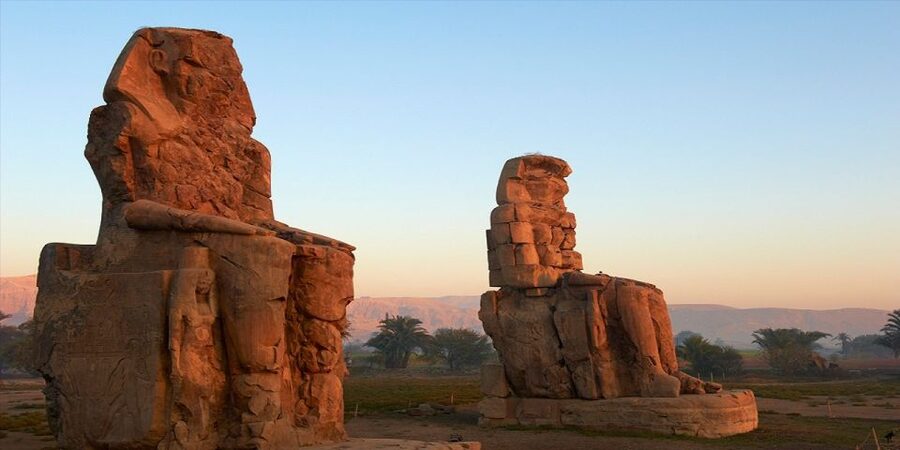
Then comes the Colossi of Memnon for photos. These statues make a perfect “quick stop” because you get big views without needing hours more walking.
Lunch is included in a local restaurant in Luxor, which is a nice change from eating onboard every meal. After lunch, you shift to the East Bank.
The Karnak Temple visit covers an entire temple complex built over generations—multiple main temples, smaller enclosed temples, and outer temples. Your guide should point out how the layers of construction help you understand why Karnak feels like it has different eras talking to each other.
Finally, you visit the Luxor Temple, well known for its role during the annual Opet celebrations. From there, the driver drops you back at your accommodation in Luxor, safe and sound.
The Guiding That Makes Hieroglyphs Make Sense
Temple visits feel frustrating when you get a script that doesn’t match what you’re looking at. This tour leans the other direction: you get explanations that aim to be clear and slow enough to follow.
In the feedback you’ll see names like Mary and Rasha. Their common thread is that they take time with visitors, explain in a way that’s easier for foreigners to track, and keep the story moving instead of dumping facts. If you’re the kind of person who wants the “why” behind the carvings, this matters more than you might think.
You also get different guide moments during the journey—especially during the Abu Simbel day. Guides such as Ahmed Achraf and Hazem have been highlighted for their Abu Simbel visits. That’s useful because Abu Simbel can feel overwhelming if you don’t have someone pointing out the temple’s logic and religious focus.
Bottom line: the guiding isn’t only about telling you what something is. It’s about helping you connect the symbols to the people and the rules that shaped ancient Egypt.
Cruise Comfort and How to Use the Included Full-Board Meals
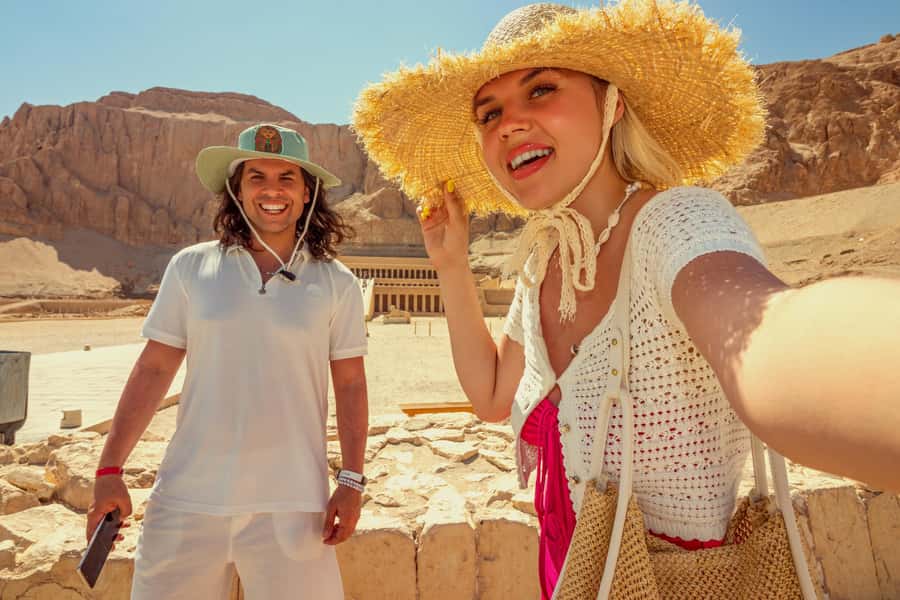
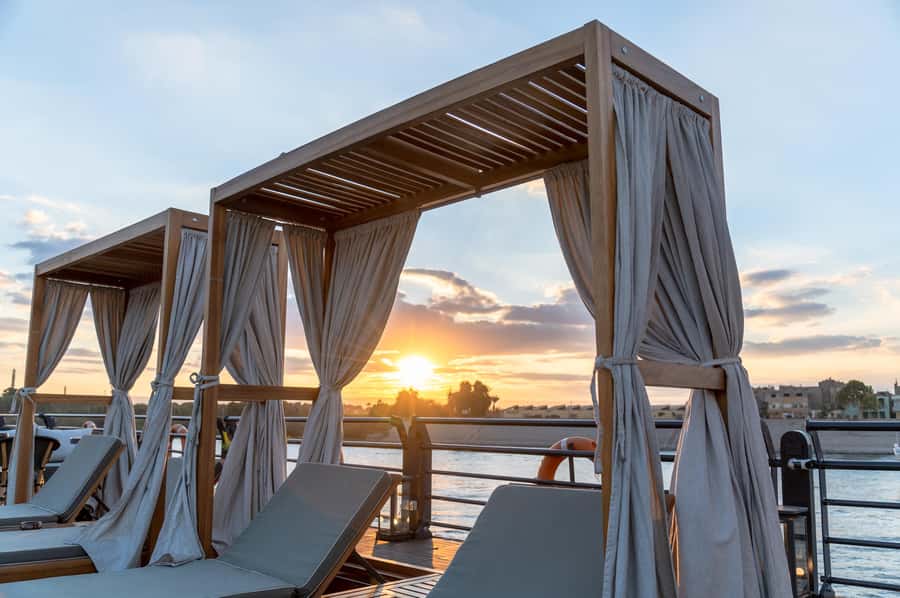
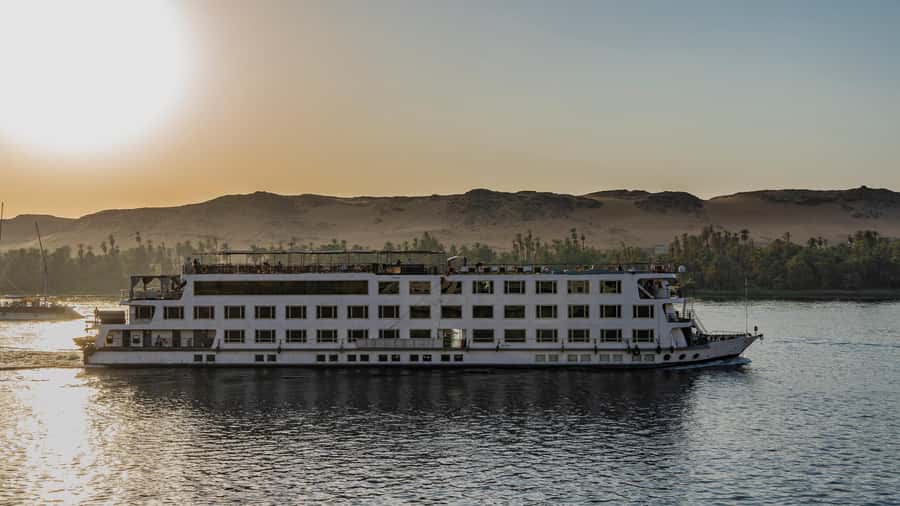
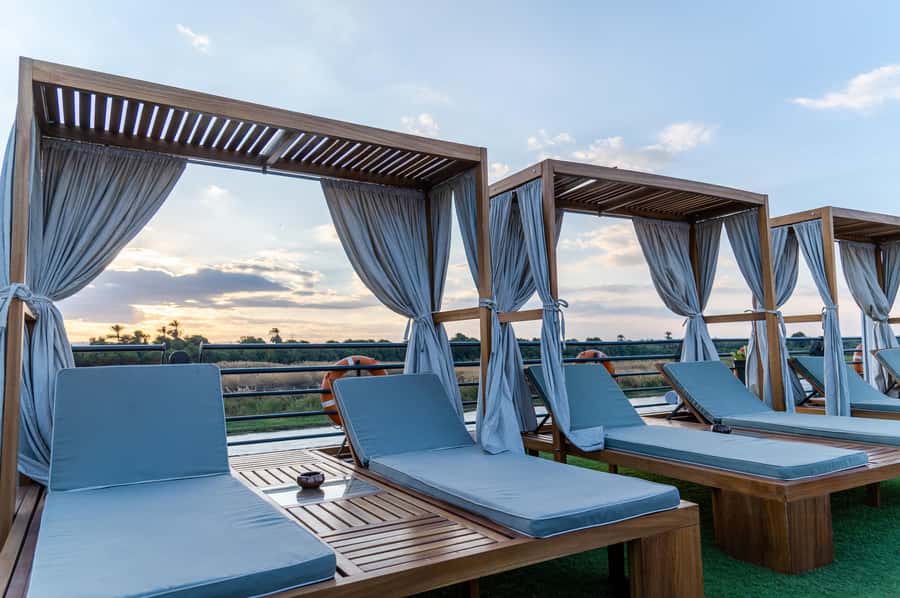
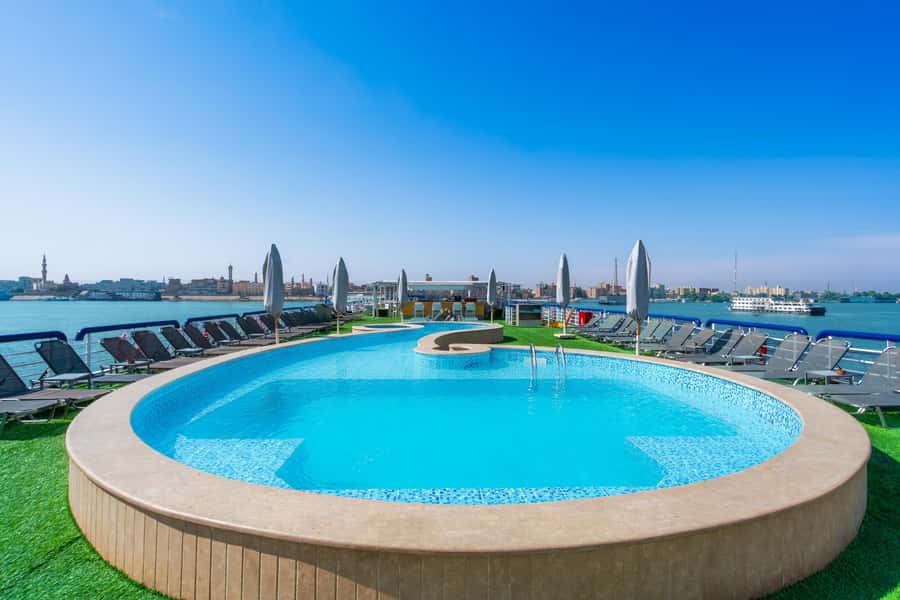
A big part of the value here is what you get between the temples. You have 3-night accommodation on a 5-star cruise ship, and it’s full-board, with your cabin included with all facilities. Full-board matters because it reduces decision fatigue. You don’t have to plan breakfast, lunch, and dinner on top of your sightseeing.
Meals show up at the natural breaks:
- After Day 1’s Philae drive, lunch on the ship
- After the Abu Simbel morning, lunch onboard before sailing to Kom Ombo
- Breakfast onboard before Edfu
- Breakfast onboard after the balloon flight
That rhythm keeps you fed without derailing the schedule. And since you’re usually early on pickup days, the ship’s routine is a comfort advantage.
Also, the cruise is part of the sightseeing even when you’re not “visiting.” The Nile sailing turns travel into scenery time, not just transfer time.
Timing, Early Pickups, and What to Do With Your Mornings
This itinerary is built around early starts—often around 4 am. That’s not an accident. It’s how you fit in Abu Simbel and sunrise balloon without turning your day into chaos.
You’ll likely have:
- A very early trip to Abu Simbel on Day 2
- A very early pick-up for the sunrise balloon on Day 4
- A structured handoff at the end of the cruise with checkout and luggage handling
So your best strategy is simple: keep mornings light. Wear comfortable shoes and plan for temples where you’ll walk, pause, and climb stairs. If you’re sensitive to early wake-ups, this tour might still work, but you’ll want to mentally agree that sleep is the first item on the schedule.
One more practical note: entry fees and drinks are not included. Entry fees can be paid on-site, so you’ll want cash or a card ready. Drinks not being included means you may pay extra for bottled water or soft drinks if you’re used to having them included.
Price and What’s Not Included (Entry Fees and Drinks)
There’s no single trick here—this tour’s value comes from the mix of expensive components: a 5-star Nile cruise, licensed transport and driver service, multiple guided temple days, and a sunrise balloon. If you try to book those separately, it’s easy for the price to rise fast, especially when you’re trying to coordinate timing across Aswan and Luxor.
What you should expect to cover separately:
- Entry fees for the sights
- Drinks
- Anything related to Aswan Airport or train station pickup (not included)
- Anything related to Luxor Airport or train station drop-off (not included)
So if you’re arriving by flight or train, you’ll want to line up your own transfer to/from your Aswan and Luxor accommodations. The good news is that hotel-to-hotel transfers are handled, and the cruise handles most of your day-to-day meal rhythm.
Who This Tour Suits Best
This is a strong fit if you:
- Want a guided Egypt plan that doesn’t require you to negotiate every step
- Like the idea of combining a Nile cruise with temple-heavy days
- Are interested in both major monuments and detailed temple storytelling
- Want an early-morning experience like Abu Simbel and a sunrise balloon, then a full West/East Bank day
It may be less ideal if you:
- Hate early wake-ups
- Prefer flexible sightseeing hours instead of fixed pickup times
- Want everything included with no extra pay-onsite (entry fees are separate)
Should You Book This Aswan Nile Cruise With Sunrise Balloon?
If you want a trip that’s organized, history-forward, and built around standout moments, this one is easy to recommend. The big strengths are the early access experiences—Abu Simbel at dawn and a sunrise balloon—plus the comfort of having your lodging and many meals handled onboard.
I’d book it especially if clear guiding matters to you. The signs point to guides like Mary and Rasha who take time to explain, and that turns hieroglyphs and temple scenes from confusing walls into understandable stories.
Just go in prepared for two early mornings and a bit of extra budgeting for entry fees and drinks. If that sounds manageable, you’ll likely feel like the schedule respects your time while still giving you plenty of authentic, deeply Egyptian scenes.
FAQ
What city does the tour start in?
The tour starts in Aswan, with hotel pickup from your accommodation in Aswan.
Is the hot air balloon ride in Aswan or Luxor?
The hot air balloon ride is in Luxor, with a sunrise VIP ride.
How many nights are spent on the Nile cruise?
You get 3-night accommodation on a 5-star cruise ship.
Are meals included?
Yes. The cruise includes full-board, and lunch at a local restaurant in Luxor is also included.
Are entry fees included in the tour price?
No. Entry fees are not included.
Are drinks included?
No. Drinks are not included.
What language is the guide?
The tour includes an English-speaking guide by default. You can select an add-on for Spanish, German, or French-speaking guides.
What are the main sites visited on the West Bank?
On the West Bank you visit the Valley of the Kings, the Mortuary Temple of Queen Hatshepsut, and the Colossi of Memnon.
What are the main sites visited on the East Bank?
On the East Bank you visit Karnak Temple and Luxor Temple.