REVIEW · AOSTA
Aosta: Hot Air Balloon Flight with Stunning Views of the Alps
Book on GetYourGuide →Operated by Charbonnier SNC · Bookable on GetYourGuide
Ballooning over the Alps can feel unreal at first. I love the 360-degree Aosta Valley views and the way the Charbonnier team runs the experience with a clear safety focus. You’ll float high above the peaks, with some of Europe’s biggest names in your sightline.
One thing to plan for: after landing, you’ll help fold/deflate the balloon, and it can take a bit of time before you’re fully back on your way. On a tight schedule, that late-stage wait is the only snag I’d call out.
In This Review
- Key Moments That Make This Flight Worth It
- Why Aosta Valley Ballooning Feels Different From Typical Mountain Views
- Quart to Takeoff: Vehicles, Inflation, and a Real Safety Briefing
- The Flight Itself: 1 Hour Floating Over the Alps at Wind-Driven Altitude
- Landing and Wrap-Up: Folding the Balloon and Getting Your Certificate
- Price and Value: Is $318 Worth It?
- Who This Works Best For (And Who Should Skip It)
- What to Bring: Comfort Matters More Than You Think
- Safety, Teamwork, and Languages: Feeling Guided From Start to Finish
- Weather Reality: You’ll Get a Confirmation, and Then You Roll With It
- Should You Book This Aosta Hot Air Balloon Flight?
- FAQ
- Where does the balloon flight start?
- How long is the full experience?
- How long is the balloon flight in the air?
- How high will you fly?
- What mountains can you see?
- Who pilots the balloon?
- Do you get a souvenir after the flight?
- Is pickup and drop-off included?
- Is a balloon-selfie included?
- What languages are offered during the experience?
Key Moments That Make This Flight Worth It
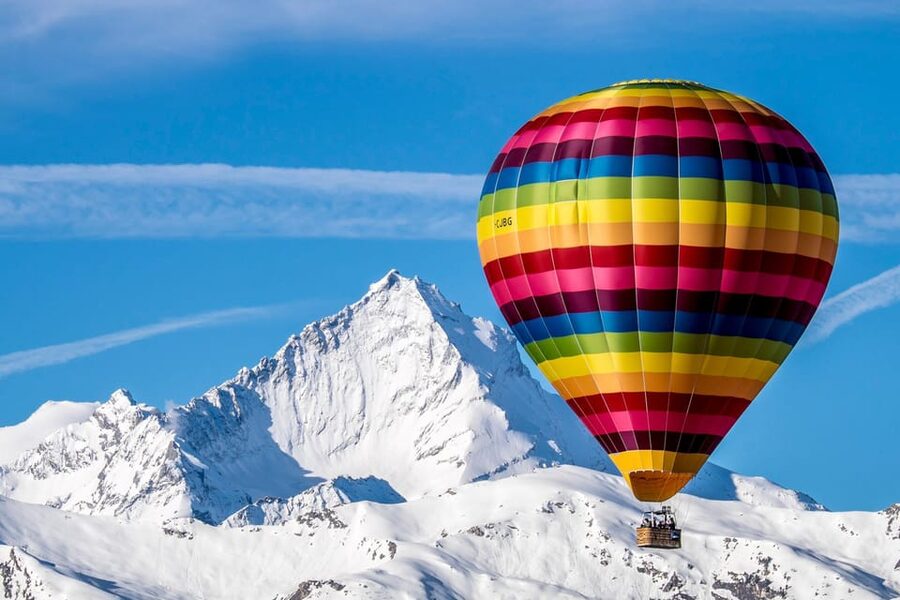
- Takeoff from the Aosta Valley with a dedicated pilot handling the airborne part
- 360-degree views that let you scan the valley and peaks without turning your head too fast
- High-altitude flying around 2,000–3,000 meters, depending on wind
- Big-mountain sightlines, including Mont Blanc and the Matterhorn (conditions can affect what’s crystal clear)
- Inflation operations on the ground, so you understand what’s happening before the lift-off
- A flight certificate to take home after you land
Why Aosta Valley Ballooning Feels Different From Typical Mountain Views
This is not the kind of scenery where you stand still and admire a picture. In a hot air balloon, the Alps move under you, slowly and quietly, and your perspective keeps changing. When you’re up around 2,000–3,000 meters, the Aosta Valley becomes a full 360-degree stage, with ridgelines layered like a map you can actually fly over.
What I like most is how this trip is built to connect you to the region’s real scale. You’re not only seeing one signature peak. You’re meant to look around and recognize major summits in the broader Alpine ring—Mont Blanc, the Matterhorn, Monte Rosa, Grand Combin, Grandes Jorasses, and Gran Paradiso are all specifically part of the expected view.
The tradeoff is simple: balloons react to the wind. So while the mountains listed are the goal, exact sightlines can shift depending on how the flight is carried.
Quart to Takeoff: Vehicles, Inflation, and a Real Safety Briefing
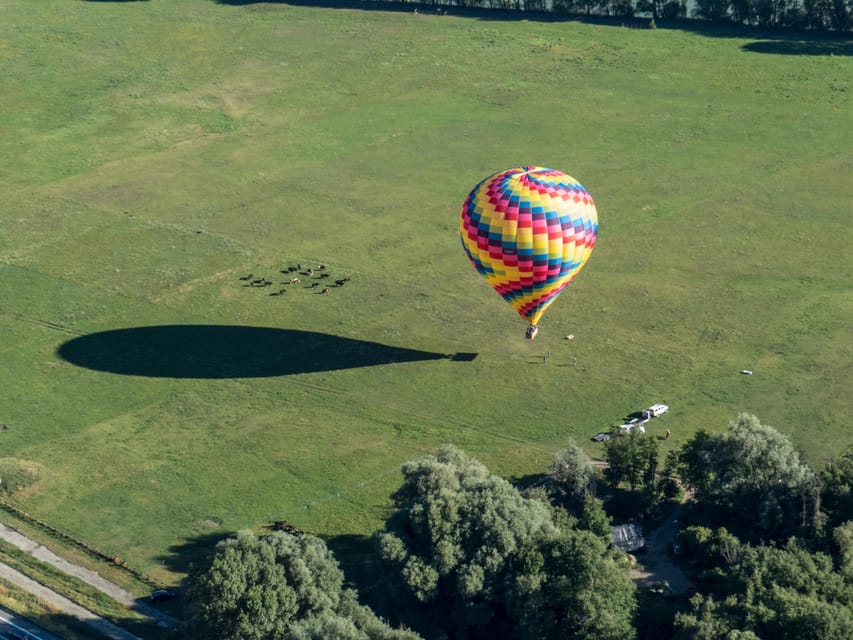
The day starts at Voli In Mongolfiera at the Charbonnier team’s Quart headquarters, where you’ll check in and meet the crew. You’ll see the balloon inflation operations before you ever step into the basket. That matters more than people think. When you understand the ground work—what’s being inflated, how it’s managed, and how people coordinate—you feel calmer once lift-off comes.
Then you move by vehicle. Expect a short drive (about 10 minutes) to the takeoff site, which is typical for balloon operations. You’ll also get a safety briefing (about 15 minutes). This is not a quick talk you can ignore. The crew runs you through what to do, how the balloon behaves, and how you’ll handle landing and wrapping up.
One detail I really appreciate: during takeoff, each passenger is assigned a pilot. That keeps communication direct and reduces the chaos factor that can happen in group activities where roles aren’t clear.
The Flight Itself: 1 Hour Floating Over the Alps at Wind-Driven Altitude
Once you’re off the ground, the flight is about letting the balloon do its job. You’re traveling on currents, not on engine power, so the pace feels calm and unhurried. The airborne part is about 1 hour, while the full experience runs around 3 hours including transfers, briefing, and the landing wrap-up.
Altitude varies with the wind conditions. You might fly at roughly 2,000 meters, or higher closer to 3,000 meters, and that change can affect how sharp the mountain edges look and how much of the valley you can see at once. In practical terms, that’s why balloon rides can feel different from one day to the next even when the route is similar.
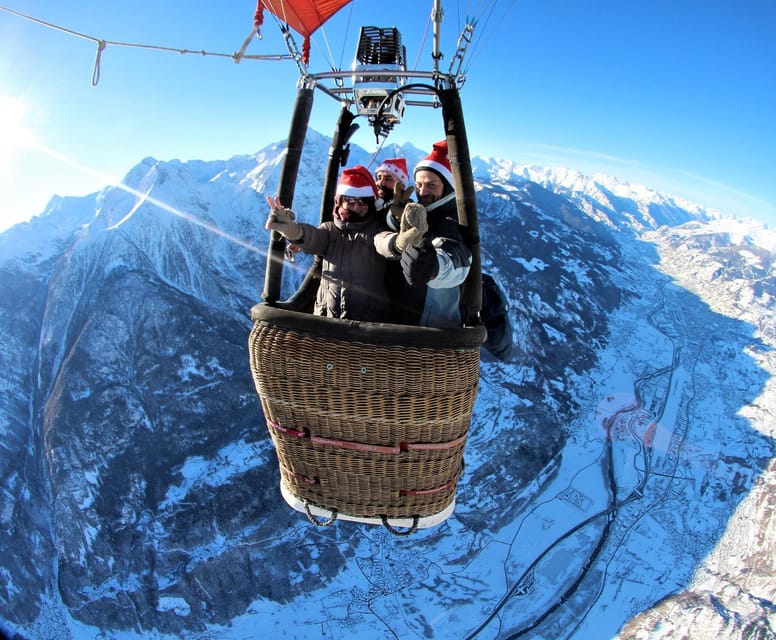
From the air, you’re aimed at a key payoff: a 360-degree view of the Aosta Valley plus the surrounding peaks that define the western Alps. The big-name summits listed for this flight—Mont Blanc and the Matterhorn in particular—are the kind of landmarks you remember even after the memory fades. You’ll also be looking for other major peaks in the wider region, including Monte Rosa, Grand Combin, and Grandes Jorasses, with Gran Paradiso part of the expected view area.
Should you worry that you might miss the most famous peaks? You might if conditions aren’t cooperating. One reviewer noted that another balloon appeared to climb differently and that their own view didn’t include Mont Blanc as hoped, even though conditions were described as the same. It’s a good reminder that in ballooning, exact outcomes depend on how that balloon’s path and altitude set up in the moment.
Landing and Wrap-Up: Folding the Balloon and Getting Your Certificate
After the balloon comes down, you’re not just watching from the sidelines. You’ll help with folding the balloon as part of the landing routine. That’s normal for this style of operation, and it’s part of the reason balloon crews can move smoothly—people pitch in while the team manages the logistics.
Here’s the consideration: this can take time. In at least one experience, the balloon deflation and folding step meant guests waited longer than they expected before heading back to the meeting point. If you’re the type who needs the rest of the day to run on a schedule, build in slack.
Once you’ve wrapped up, you head back to the initial meeting point. You’ll also receive a flight certificate, which is a nice souvenir if you want something more official than a photo album.
Price and Value: Is $318 Worth It?
At $318 per person, this is a serious activity cost. The question is whether you’re buying a seat in a balloon, or a whole, managed alpine experience. Here, you’re buying a lot more than the flight itself.
Your ticket includes:
- A professional pilot
- Insurance with maximum coverage aligned with current European legislation
- Pickup and drop-off in the crew’s vehicles before and after the flight
- A certificate at the end
You’re also getting multilingual support (Italian, English, French) and structured time on the ground: check-in, briefing, and watching the inflation setup. Those parts matter because they reduce uncertainty, and balloon rides work best when everything feels controlled.
There’s also an optional add-on: a balloon-selfie is not included and costs €25 on the spot. If you want the extra photo moment, consider bringing cash or being ready to pay day-of.
For most people, the value is highest if you genuinely want the full package: high-altitude ballooning, a competent team, and transport handled end-to-end.
Who This Works Best For (And Who Should Skip It)
This balloon flight is designed for adults and for people whose bodies can handle time outdoors and the balloon landing routine. It’s not suitable for:
- Children under 7
- Pregnant women
- People with back problems, mobility impairments, wheelchair users, or heart problems
- People with respiratory issues
- People under 120 cm (3 ft 9 in)
- People who did diving up to 24 hours prior
- People with recent surgeries
- People over 115 kg (254 lbs)
If any of those apply, don’t gamble. Balloon operations are weather-dependent and physically dynamic, even when the crew is careful.
If you’re generally healthy and you don’t mind being outdoors for a few hours—plus walking in comfortable shoes—this is a great “bucket list” style outing. It’s also a strong pick for couples and small groups who want something scenic without the crowds and the bus-queue feeling of many big attractions.
What to Bring: Comfort Matters More Than You Think
For this kind of flight, your comfort plan should be boring and practical. Bring:
- Comfortable shoes
- Weather-appropriate clothing
- Outdoor clothing (even if the morning seems fine)
- A camera (you’ll want it once you see the scale from above)
- Cash (useful for options like the selfie add-on)
Wear clothes that handle small temperature swings. Mountain weather can change fast, and you’ll be outside before takeoff and during the landing process. Avoid high-friction footwear that isn’t stable—this is not the time for something fancy.
Also note what’s not allowed: pets, smoking, weapons or sharp objects, intoxication, and alcohol/drugs. The vehicle also prohibits smoking and alcohol. It’s a safety-and-comfort rule set, so respect it.
Safety, Teamwork, and Languages: Feeling Guided From Start to Finish
Balloon rides can feel intimidating if you don’t know what’s happening. The structure here helps. You get a safety briefing on the ground, and you’ll see the inflation process before lift-off, which makes the whole thing feel less mysterious.
The crew is described as professionally run, and reviews emphasize that the team helps you feel secure throughout. Language support is also a big practical win: the instruction is available in Italian, English, and French, which makes it easier to understand what to do without guessing.
A nice detail: the flight is piloted by the Charbonnier team, described as champions of Italy. Even if you don’t care about titles, what matters is that you’re in an operation that’s used to doing this with consistency.
Weather Reality: You’ll Get a Confirmation, and Then You Roll With It
Ballooning is weather-dependent, but you’re not left in the dark. You’ll receive weather confirmation about 1 or 2 days before the flight. The crew is flexible to change the date based on availability and conditions.
Expect a confirmation call or message around 10:30 a.m. That timing matters because it’s later than some people plan for. Also, once weather confirmation has been provided, you can’t cancel the booking.
So how should you plan your day? Treat ballooning like the event: keep other plans light and avoid making commitments that require 100% certainty at a specific hour.
Should You Book This Aosta Hot Air Balloon Flight?
If you want a true aerial viewpoint over the Alps, this is an excellent way to do it. You get a professional pilot, maximum insurance coverage, pickup/drop-off, a real safety briefing, and a flight designed to give you a 360-degree look at major peaks around the Aosta Valley.
Book it if:
- You’re comfortable being outdoors and following crew instructions
- You want a memorable, high-altitude perspective rather than another viewpoint from the ground
- You value a guided, managed operation with transport included
Think twice if:
- You’re tight on time for the whole day (landing/folding can add delay)
- You’re relying on seeing a specific peak like Mont Blanc no matter what (wind paths can shift the exact sightline)
- Any of the listed health or mobility restrictions apply
If you’re flexible and you like the idea of letting wind shape your route, this flight is exactly the kind of Swiss-Alps experience that turns into a story you’ll keep telling.
FAQ
Where does the balloon flight start?
You meet at the Voli In Mongolfiera headquarters in Quart, and then you take a short vehicle ride (about 10 minutes) to the takeoff point.
How long is the full experience?
The total duration is about 3 hours, including briefing, transfers, the flight, and the return after landing.
How long is the balloon flight in the air?
The balloon flight is about 1 hour.
How high will you fly?
You fly between 2,000 and 3,000 meters above sea level, depending on wind conditions.
What mountains can you see?
The flight is designed for views that may include Mont Blanc, Monte Rosa, Grand Combin, Grandes Jorasses, the Matterhorn, and Gran Paradiso.
Who pilots the balloon?
A professional pilot from the Charbonnier team pilots the balloon.
Do you get a souvenir after the flight?
Yes. You receive a flight certificate at the end of the experience.
Is pickup and drop-off included?
Yes. The team provides pickup and drop-off by vehicle before and after the flight.
Is a balloon-selfie included?
No. A balloon-selfie is optional and costs €25, paid on the spot.
What languages are offered during the experience?
The briefing and instructions are available in Italian, English, and French.